
Las Vegas Tourism History Takes Centre Stage as Steve Wynn Reveals Untold Stories Behind The Mirage

Published
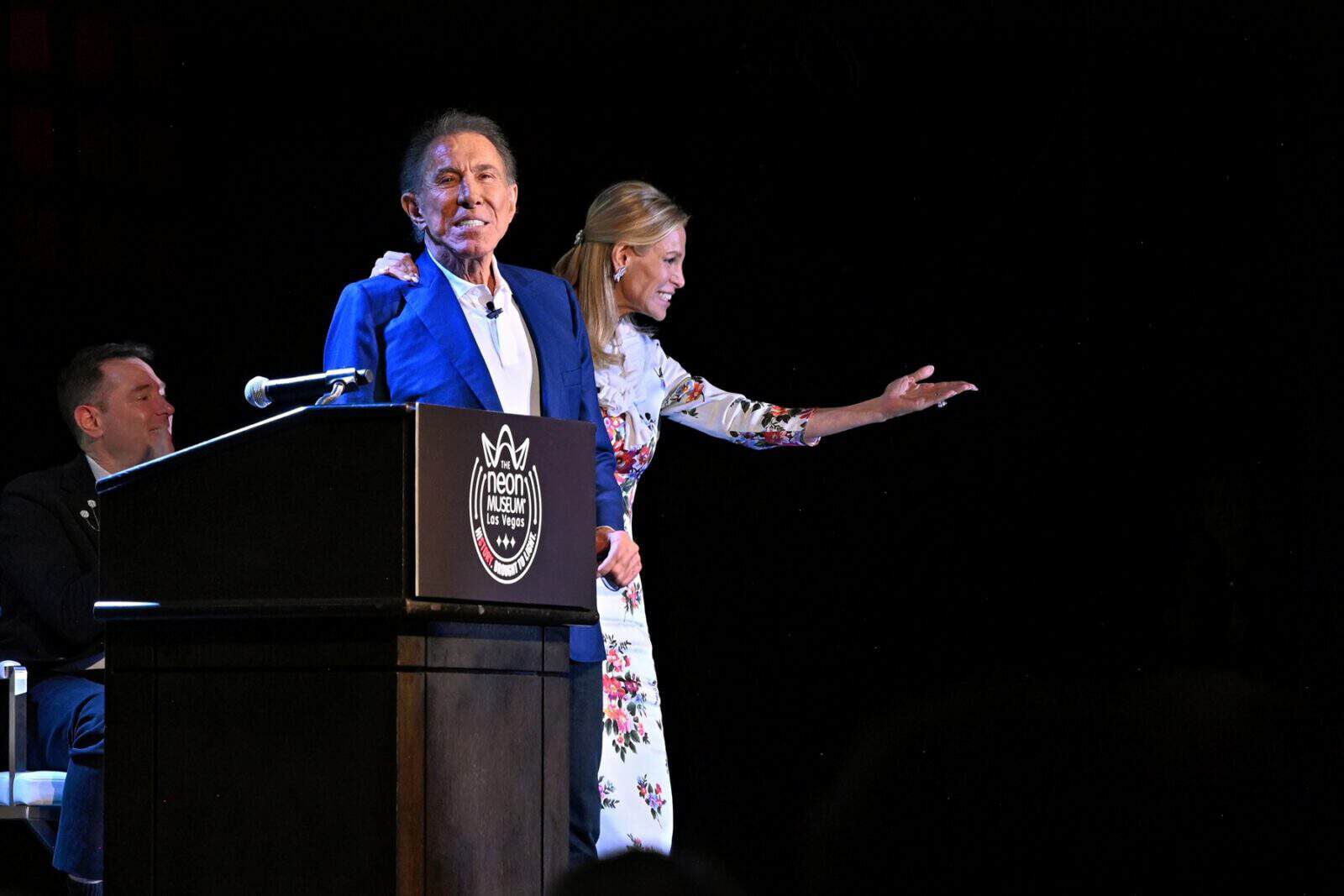
Las Vegas tourism history takes centre stage as Steve Wynn reveals untold stories behind The Mirage during a special Neon Museum presentation. The sold-out event explored the resort’s ambitious development, groundbreaking entertainment and lasting influence on the city’s hospitality industry, offering visitors a fascinating perspective on modern Las Vegas tourism.
Steve Wynn Revisits the Resort That Changed Las Vegas
Las Vegas has revisited one of the most important chapters in its hospitality history as Steve Wynn shared personal accounts of developing The Mirage Resort & Casino during a special programme organised by The Neon Museum.
The presentation, titled Reflections of The Mirage: A Conversation with Steve Wynn, took place at Golden Nugget Las Vegas and marked the opening of the museum’s fourth annual Duck Duck Shed cultural event.
The sold-out gathering brought attention to the development of The Mirage between 1987 and 1992, examining the financial decisions, architectural innovations and entertainment concepts that helped establish a new direction for Las Vegas tourism.
Advertisement
Advertisement
Wynn discussed the challenges of developing a large-scale luxury resort at a time when many industry observers questioned whether such an ambitious project could become commercially successful.
The $650 Million Investment That Redefined Resort Development
When The Mirage opened on 22 November 1989, its estimated development cost of $650 million represented an extraordinary investment in the Las Vegas hospitality sector.
Advertisement
Advertisement
Wynn recalled the scepticism surrounding the project’s financial viability, particularly concerns about operating expenses approaching $1 million daily.
However, the resort attracted more than 50,000 visitors on its opening day, according to Wynn’s account presented during the event.
Advertisement
Advertisement
The strong initial response demonstrated the appeal of combining luxury accommodation, elaborate entertainment and distinctive architectural design within a single destination.
Wynn also claimed that land values along the Las Vegas Strip doubled within 36 hours of the resort’s opening as competing developers recognised the commercial potential of similar properties.
These recollections highlight how The Mirage became associated with a wider transformation of the city’s resort industry.
How The Mirage Volcano Became a Las Vegas Landmark
One of the presentation’s most revealing moments concerned the creation of The Mirage’s famous Volcano.
Advertisement
Advertisement
Wynn explained that the attraction initially began as a proposal for a large waterfall facing the Las Vegas Strip.
The concept changed when theatrical lighting designer David Hersey suggested developing a volcanic spectacle instead.
Designers subsequently experimented with water, lighting and controlled fire effects to produce an attraction that became closely associated with the resort’s identity.
The Volcano demonstrated how theatrical design could become a major component of the visitor experience, extending entertainment beyond conventional casino floors and performance venues.
The Mirage also introduced memorable attractions associated with Siegfried & Roy, including their celebrated white tigers, alongside a dolphin habitat and tropical landscaping.
Together, these features helped position the property as a destination offering experiences beyond gaming.
Advertisement
Advertisement
The Mirage’s Influence on Modern Las Vegas Tourism
The opening of The Mirage helped accelerate investment in larger and more elaborate hospitality developments across Las Vegas.
During the presentation, Wynn connected the resort’s success with a subsequent development wave that added approximately 40,000 hotel rooms to the market.
Its influence extended beyond accommodation capacity.
The resort demonstrated how entertainment, architecture, restaurants, attractions and luxury hospitality could work together to attract a broader visitor market.
This integrated approach subsequently became an important feature of major Las Vegas developments.
For the tourism industry, The Mirage remains a significant example of how investment in visitor experiences can influence destination competitiveness and encourage further private-sector development.
Advertisement
Advertisement
The property closed in July 2024, bringing an end to its original operating era, but its contribution to the evolution of Las Vegas remains relevant.
The Neon Museum Preserves an Important Tourism Legacy
The event also highlighted the role of heritage institutions in documenting the city’s changing tourism landscape.
Aaron Berger, CEO of The Neon Museum, explained that preserving Las Vegas history involves more than collecting historic signs and architectural objects.
The museum also seeks to document the memories, creative decisions and personal experiences behind important developments.
Its permanent collection includes several objects associated with The Mirage, including a Siegfried & Roy sculpture, the resort’s Lagoon sign and an original Volcano FireShooter.
These artefacts are displayed within the museum’s Neon Boneyard, providing visitors with tangible connections to the resort’s history.
Advertisement
Advertisement
“The Mirage represents an extraordinary chapter in the evolution of global hospitality and destination tourism. Steve Wynn’s reflections demonstrate how visionary investment, creative entertainment and architectural innovation can transform a city’s international appeal. The Neon Museum deserves recognition for preserving these important stories and making them accessible to future generations. Initiatives such as Duck Duck Shed strengthen cultural tourism, encourage heritage appreciation and remind the travel industry that memorable destinations are built through creativity, ambition and innovation.”
— Anup Kumar Keshan, Founder and Editor-in-Chief, Travel And Tour World
Duck Duck Shed Expands Las Vegas Cultural Tourism
The programme forms part of Duck Duck Shed, The Neon Museum’s annual celebration of Las Vegas architecture, design, entertainment and cultural identity.
Running until 26 October 2026, the event includes behind-the-scenes experiences and specialist presentations exploring different aspects of the city’s history.
Highlights include an exclusive look inside Cirque du Soleil’s KÀ, discussions about classic Las Vegas showgirls and a curator-led exploration of Rhythm and Resilience: History, Art, and Legacy in Black Vegas.
The programme also features the illumination of a Formula 1 Las Vegas Grand Prix sign.
Advertisement
Advertisement
These activities demonstrate how the city’s entertainment heritage can support cultural tourism alongside its established casino, convention and hospitality industries.
Steve Wynn’s reflections on The Mirage underline the resort’s enduring importance to Las Vegas tourism. Through historical storytelling, preserved attractions and cultural programming, The Neon Museum continues connecting visitors with the city’s remarkable transformation. Duck Duck Shed strengthens this connection while celebrating the creativity behind modern resort development.
Advertisement
