
Greece Moves Alongside US And More As Canada Issues Travel Advisory Amid Entry Rules, Fraud, Demonstrations And Security Risks

Published
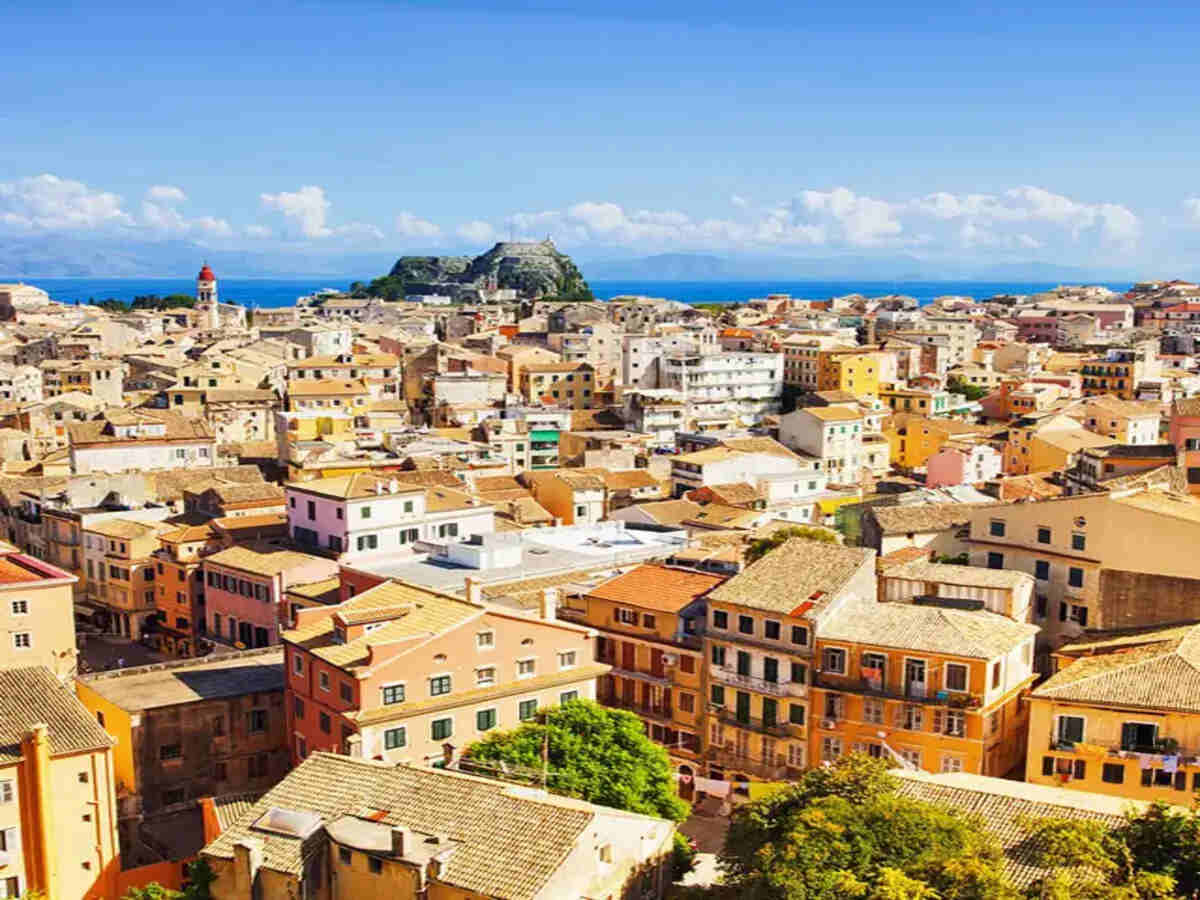
Canada releases new travel advisories for Greece, US and Poland concerning entry restrictions, fraudulent activities and security threats. Moving around international boundaries entails a lot more than simply arranging your flights and lodging arrangements. Given the dynamic nature of today’s geopolitical environment, characterized by sophisticated border policies, industrial actions, changing civil atmospheres and cyber money frauds, even the most conventional tourism destinations require situational preparedness.
Canadian government has issued updated travel advisories covering three high-profile international destinations: Greece, the United States, and Poland. While all three nations remain classified under the baseline category—“Take normal security precautions”—the updated guidance serves as an essential framework for international transit. The government of Canada is not warning citizens against visiting these nations. Instead, it is championing a proactive culture of traveler preparation, urging citizens to understand regional rules, respect local border mandates, and safeguard their physical and digital assets while abroad.
Advertisement
Advertisement
The Strategic Objective: How Canada Is Awakening and Preparing Its Travelers
The overarching intent behind Canada’s revised guidance is to transform how travelers plan their journeys. Modern travel security extends beyond avoiding physical danger; it encompasses administrative compliance, financial vigilance, and civic awareness. Through these updated advisories, Global Affairs Canada aims to equip citizens with practical, actionable knowledge before they step onto foreign soil.
Canada is actively building awareness and guiding travelers through key foundational steps:
Advertisement
Advertisement
- Promoting Administrative Forethought: Shifting citizen focus toward mandatory entry rules, biometric registration systems, and strict visa-free stay thresholds well before tickets are purchased.
- Encouraging Financial Vigilance: Educating travelers on modern financial scams, ATM tampering, credit card cloning, and digital risks associated with open public Wi-Fi networks.
- Fostering Civic and Seasonal Awareness: Advising citizens to monitor local news for planned political demonstrations, historical strike anniversaries, and civic gatherings that can disrupt urban transit.
- Clarifying Border Interventions: Managing expectations regarding foreign immigration officers, emphasizing that Canadian consular services cannot override another nation’s entry laws or administrative border decisions.
- Instilling Document Redundancy: Urging travelers to decouple their identity documents by keeping original passports locked away while carrying secure digital or paper backups for daily movement.
Greece: Navigating Civic Demonstrations, Transport Disruptions, and Schengen Enforcement
Greece remains one of Europe’s premier tourism hubs, offering vast historical landmarks and idyllic Mediterranean islands. However, Canadian authorities emphasize that routine travel to Greece can be easily disrupted by localized civic action, organized petty crime, and strict European travel limits.
Urban Rallies and Historical Protests
Demonstrations occur with regular frequency in major urban centers across Greece, most notably in Athens and Thessaloniki. These gatherings are frequently tied to significant historical anniversaries, political movements, and socio-economic events.
Advertisement
Advertisement
Key dates where civil gatherings and heightened security are virtually guaranteed include:
✦ February 28: Commemorating the victims of the 2023 Tempi train collision.
✦ May 1 (Labor Day / Workers’ Day): Rallies organized by trade unions and labor federations.
✦ November 17: Marking the historic 1973 Athens Polytechnic uprising against the military junta.
✦ December 6: Remembering the 2008 police shooting of a teenager in Athens, which sparked widespread civil unrest.
In Athens, demonstrations routinely concentrate around central transit nodes and government districts:
Advertisement
Advertisement
- Syntagma Square (directly in front of the Hellenic Parliament)
- Omonia Square
- Patision Avenue (surrounding the National Technical University complex)
- Exarchia District
In Thessaloniki, similar gatherings center around:
- Aristotelous Square
- Egnatia Street
- Arch of Galerius (Kamara)
- Aristotle University Campus
Even peaceful rallies can shift rapidly, resulting in sudden road closures, heavy traffic congestion, and canceled public transit. Travelers are urged to avoid designated demonstration zones, monitor local media outlets, and allow extra commuting time when moving through city centers.
Industrial Action and Public Transit Disruption
Labor strikes represent another major variable for travelers in Greece. Pressure tactics and walkouts occur frequently across public transit systems, maritime services, and the public health sector.
When transport strikes take place, they severely impact:
- Subway and metro lines in metropolitan centers
- Urban bus corridors and overland rail networks
- Airport transfer routes to and from regional hubs
- Ferry sailings connecting the mainland to the Aegean and Ionian islands
Travelers holding flight, ferry, or train bookings should reconfirm itineraries well in advance, check schedule updates before departing accommodation, maintain flexible connections, and keep contingency funds for private taxi transfers if public options stall.
Safeguard Valuables Against Organized Theft
Petty crime is prevalent in high-density tourist locations throughout Greece. Organized pickpocketing gangs frequently operate using calculated distraction techniques in crowded spaces, including open-air restaurants, historical sites, hotel lobbies, and bustling beaches.
Advertisement
Advertisement
Transit points require heightened vigilance:
- Airport Rail Corridors: Metro trains traveling to and from Athens International Airport are prime targets for luggage and wallet theft.
- Central Railway Terminals: Busy hub locations like Larissa Station and the former Peloponnese Station area in Athens require constant attention.
- Bustling Hubs: crowded bus terminals, port waiting rooms, and ferry boarding queues.
Visitors should keep personal items secured in front pockets or cross-body bags, avoid leaving belongings unattended on beaches, and refrain from storing all forms of identification in a single wallet or bag.
Financial Fraud and Card Security
Credit card skimming and ATM fraud remain persistent issues in commercial and dining districts. Criminals may install unauthorized reading devices on external ATMs or attempt to clone card details during transactions.
To protect financial accounts, travelers should:
❖ Opt exclusively for ATMs positioned inside bank branches or highly secure commercial buildings.
❖ Carefully inspect card slots and keypads for loose parts or unusual attachments.
Advertisement
Advertisement
❖ Always shield the keypad with a hand when entering a personal identification number (PIN).
❖ Regularly audit mobile banking applications to catch fraudulent charges immediately.
United States: Border Scrutiny, Urban Vigilance, and Border Zone Awareness
While the United States remains the most accessible international destination for Canadians, Canada’s updated travel advice emphasizes that entering and navigating the US requires strict adherence to border protocols, public security awareness, and urban safety measures.
Rigid Border Enforcement and Digital Device Inspections
Entry into the United States is governed entirely by US Customs and Border Protection (CBP) officers, who exercise extensive statutory discretion at every port of entry.
Key entry realities highlighted for Canadian travelers include:
- Non-Intervention Policy: Canadian diplomatic officials cannot intervene if a traveler is refused entry or found non-compliant with US legal requirements.
- Thorough Border Scrutiny: Travelers should prepare for detailed questioning regarding the purpose of their visit, financial sufficiency, ties to home, and planned duration of stay.
- Electronic Device Searches: Border officers have legal authority to inspect electronic devices, including smartphones, laptops, and tablets. Full cooperation and truthful answers are mandatory.
- Detention and Removal: Individuals deemed inadmissible face immediate refusal of entry and potential detention while awaiting return transit.
- Mandatory Identification: Canadian citizens traveling by air—including those simply transiting through US airports—must present a valid Canadian passport or an official NEXUS card at designated border facilities.
Enhanced Security in US-Mexico Border Regions
For Canadians driving or traveling through southern border states—such as California, Arizona, New Mexico, and Texas—the guidance highlights specific safety risks associated with border proximity.
Advertisement
Advertisement
Incidents linked to cross-border criminal activity and drug trafficking occur more frequently in remote frontier areas. Travelers venturing near the US–Mexico border should utilize only primary, officially recognized highway border checkpoints, maintain complete travel documentation, maintain constant environmental awareness, and avoid non-essential highway travel after dark.
Urban Security and Vehicle Theft Prevention
In major American metropolitan areas, opportunistic theft and urban crime require steady situational awareness.
Key preventive steps include:
- Vehicle Security: Never leave luggage, purses, passports, or electronic devices inside parked vehicles—including rental cars. Theft from vehicles is widespread in major city parking structures and tourist hotspots; even items hidden in closed trunks are frequently targeted.
- Neighborhood Safety: Violent incidents occur predominantly in economically disadvantaged or high-crime urban sectors, particularly during late-night and early-morning hours. Travelers should research neighborhood profiles before exploring unfamiliar cities.
- Response to Confrontation: In the rare event of a robbery or armed mugging, travelers are strongly advised to remain calm, avoid escalation, and comply immediately without physical resistance.
Public Gatherings and Terrorism Countermeasures
Demonstrations tied to political, social, or economic issues can emerge in major cities across the US. While the vast majority are peaceful, sudden confrontations with law enforcement or counter-protesters can lead to localized transit delays and blockades.
Furthermore, US security guidance maintains that terrorism remains a persistent threat. Public gathering areas—including transport terminals, major sports venues, tourist landmarks, shopping complexes, and places of worship—remain potential targets for low-tech or high-profile attacks. Travelers are encouraged to observe their surroundings and consult the US Department of Homeland Security’s National Terrorism Advisory System (NTAS) for official threat updates.
Poland: Regional Border Considerations, Digital Threats, and Schengen Compliance
Poland presents a vibrant cultural landscape, but its geographic location bordering Ukraine introduces unique operational considerations for international travelers. Canada advises visitors to balance standard European urban precautions with an understanding of eastern frontier dynamics.
Advertisement
Advertisement
Geopolitical Dynamics and the Eastern Frontier
Since the escalation of the full-scale conflict in neighboring Ukraine, Poland’s eastern border zones have experienced heightened military readiness, airspace monitoring, and defense activity.
Travelers visiting eastern regions must keep the following in mind:
- Airspace Incidents: Occasional military debris and redirected aerial objects associated with the regional conflict have crossed into Polish territory near the border line.
- Official Mandates: Visitors staying near the eastern border should strictly obey local authority instructions, heed police directives, and rely exclusively on official Polish state announcements and reputable news sources.
- Border Restrictions: Unofficial travel toward active border crossing zones should be avoided unless conducting authorized business.
Transport Safety and Nighttime Train Security
Petty theft, wallet snatching, and luggage theft occur across major Polish urban centers, historical squares, and transit networks.
High-risk transit environments include:
- Major railway hubs (such as Warszawa Centralna) and intercity bus terminals
- Crowded seasonal street markets and hotel lobbies
- Overnight passenger trains traversing regional routes
When traveling on overnight rail lines, passengers should keep personal belongings within arm’s reach and secure sleeping compartment doors from the inside using built-in locking mechanisms. Drivers should also keep vehicle doors locked and windows rolled up at traffic stops, as opportunist thieves on foot or motorbikes occasionally attempt quick snatch-and-grab thefts through open car windows.
If a passport is lost or stolen anywhere in Poland, the incident must be reported immediately to the local police department to obtain an official police report—a mandatory document required by foreign embassies to issue emergency travel documentation.
Advertisement
Advertisement
Cyber Security, ATM Safety, and Nightlife Fraud
Digital and financial safety is an essential component of traveling in Poland:
- Public Wi-Fi Vulnerabilities: Unsecured public Wi-Fi networks in coffee shops, hotels, and train stations can expose mobile devices to data interception. Travelers should avoid conducting online banking, processing credit card transactions, or logging into sensitive accounts on open networks without a trusted Virtual Private Network (VPN).
- Nightlife Scams: Excessive overcharging, inflated bar bills, and card fraud can occur in central nightlife venues, adult entertainment clubs, and unvetted bars. Visitors should handle their credit cards directly, monitor drinks at all times, and verify charges before authorizing transactions.
- Digital Acquaintances: Exercise caution when meeting individuals met online or through social applications, avoiding isolated meetings in unfamiliar locations.
Civic Marches and Historical Anniversaries in Warsaw
Demonstrations, marches, and public assemblies take place regularly across major Polish cities, particularly within the capital, Warsaw. Gatherings commonly center around parliament buildings, presidential offices, and foreign diplomatic missions.
Key dates that attract large-scale civic assemblies include:
- April 10: Commemorating the anniversary of the 2010 Smolensk air disaster.
- May 1: International Workers’ Day rallies.
- November 11: National Independence Day, which brings massive marches and heavy police presence through central Warsaw.
Travelers are advised to avoid demonstration routes, anticipate temporary road detours, and monitor municipal transportation updates to prevent unexpected travel delays.
EES and ETIAS: Navigating the Evolution of European Travel Authorization
A major pillar of Canada’s guidance across both Greece and Poland focuses on the structural transformation of European border systems within the Schengen Area.
The Cumulative 90/180-Day Schengen Rule
Canadian citizens do not require a pre-entry visa for short-term tourism or business travel within the Schengen Area. However, strict stay duration caps apply:
Advertisement
Advertisement
- Calculated Limit: Visa-free entry is permitted for a maximum cumulative total of 90 days within any rolling 180-day window.
- Area-Wide Application: The 90-day allowance does not reset when crossing borders between Schengen member states. Days spent in Greece, Poland, France, Italy, Spain, or any other member country all tally toward the single 90-day ceiling.
- Internal Border Checks: Member states retain the sovereign right to re-introduce temporary internal border controls. Travelers must carry their original valid Canadian passport even when crossing internal borders within Europe.
The Entry/Exit System (EES)
The European Union’s Entry/Exit System (EES) is an automated IT framework that replaces manual passport stamping at external Schengen borders.
What travelers need to know about EES:
- Biometric Data Collection: Upon entry into a participating European nation, EES captures the traveler’s facial image, fingerprints, passport details, and exact entry/exit timestamps.
- No Pre-Departure Action: Canadian citizens do not need to fill out forms online or take advance action before arriving at the border; data collection occurs directly at border kiosks.
The European Travel Information and Authorization System (ETIAS)
The upcoming ETIAS program will introduce a mandatory digital travel authorization for visa-exempt travelers entering participating European countries.
Critical guidelines for ETIAS readiness:
- Official Application Portals: When ETIAS officially opens, travelers must submit their applications exclusively through official European Union platforms.
- Beware of Fraudulent Websites: Travelers are warned against third-party commercial websites or unofficial portals claiming to sell ETIAS clearances for inflated fees.
- Dual Citizens: Individuals holding dual Canadian and European citizenship must travel using their European passport to enter participating member states without ETIAS friction.
Essential Departure Checklist for the Modern Traveler
To turn official guidance into practical preparation, travelers heading to Greece, the United States, or Poland should follow this systematic checklist prior to departure :
| Travel Preparation Area | Recommended Actions |
|---|---|
| Document Security | Verify passport validity and ensure at least 3 months remain beyond the intended Schengen departure date. |
| Document Security | Make paper photocopies and encrypted digital backups of passports, visas and insurance policies. |
| Document Security | Store original documents in hotel safes and carry secondary copies for routine daily travel. |
| Financial Protection | Notify financial institutions about upcoming travel dates and international destinations. |
| Financial Protection | Use ATMs inside bank branches rather than standalone street-side machines. |
| Financial Protection | Shield PIN keypads and enable real-time transaction alerts through mobile banking apps. |
| Transit & Civic Monitoring | Monitor local municipal news and embassy channels for planned strikes or demonstrations. |
| Transit & Civic Monitoring | Build generous time buffers into itineraries for airport transfers and ferry connections. |
| Transit & Civic Monitoring | Keep offline maps and alternative transportation apps saved on mobile devices. |
| Border & Digital Readiness | Confirm strict compliance with the cumulative 90/180-day Schengen stay limit. |
| Border & Digital Readiness | Use a reputable VPN when accessing sensitive information through public Wi-Fi networks. |
| Border & Digital Readiness | Cooperate fully with border authorities and present accurate travel documents at entry points. |
By prioritizing administrative compliance, digital safety, and environmental awareness, Canadian travelers can confidently navigate foreign destinations while minimizing unexpected travel complications.
Advertisement
