
Norway Brings New Tourism Rules to Its Fjords and Islands

Published
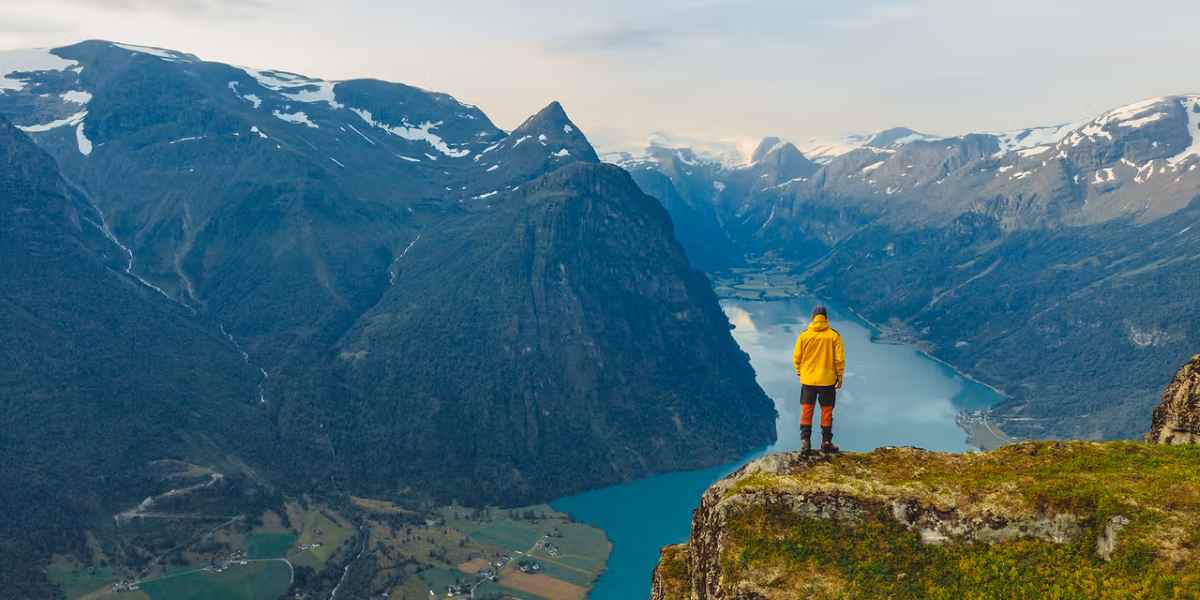
For Norway, the start of the 2026 autumn travel season comes along with two significant changes in the tourism sector developing in tandem: zero emission requirements have been introduced for passenger ships in the World Heritage fjords in Norway, whereas municipalities are planning to introduce a visitor fee as part of infrastructure cost reimbursement. For the tourists, the changes will become apparent in those destinations where a high volume of visitors can put immediate strain on the roadways, footpaths, public bathrooms, waste disposal and natural landscape. This framework aims to bring the tourism industry into the process of paying for its own infrastructure. Norway’s World Heritage fjords are already functioning within the framework of these environmental regulations. Passenger ships up to 10,000 gross tonnes, which operate in the five World Heritage fjords in Norway, are subject to zero emissions starting from January 1, 2026, whereas biogas can be considered an alternative only under certain conditions.
Geirangerfjord and Nærøyfjord Enter a New Maritime Era
The requirements cover Nærøyfjord, Aurlandsfjord, Geirangerfjord, Sunnylvsfjord and Tafjord, which together form part of the West Norwegian Fjord Landscape listed as a UNESCO World Heritage site.
Advertisement
Advertisement
For visitors arriving by passenger ship, the landscape remains the same spectacular combination of steep mountains, waterfalls and deep water, but the vessels operating within it are now subject to a significantly different environmental standard.
The regulations are being introduced gradually. Larger passenger ships will face the same zero-emission requirement from 2032, reflecting the government’s acknowledgement that suitable technology for the biggest vessels is not yet widely available.
Advertisement
Advertisement
Flåm is also part of the transition. The government has allocated NOK 100 million to support shore-power infrastructure at Flåm, allowing eligible vessels to connect to electricity while in port rather than continuing to rely on onboard fossil-fuel generation.
A New Visitor Contribution Reaches Norwegian Tourism
The second major change is financial rather than maritime.
Advertisement
Advertisement
Norway’s visitor contribution law, or besøksbidrag, entered into force on July 1, 2026. It allows municipalities facing particularly heavy tourism pressure to introduce a voluntary accommodation charge of 3 per cent of the accommodation price excluding VAT.
Municipalities cannot simply begin collecting the charge without preparation. They must establish a plan explaining how the revenue will be used and adopt local regulations before collection begins.
Advertisement
Advertisement
The government has set January 1, 2027 as the earliest date for municipalities to begin collecting the accommodation charge, giving destinations time to establish their systems during the second half of 2026.
This means travellers visiting Norway during the autumn of 2026 are seeing the framework being prepared rather than encountering a nationwide hotel tax already added to every booking.
Lofoten and Tromsø Sit at the Centre of the Debate
The visitor contribution is particularly relevant to destinations that experience heavy seasonal pressure.
Lofoten has become one of Norway’s most photographed tourism regions, with fishing villages, dramatic mountains, beaches and hiking routes attracting visitors throughout the year. Vågan is one of the municipalities within the archipelago and has been among the areas calling for better tools to manage tourism-related infrastructure.
Advertisement
Advertisement
Tromsø faces a different pattern of pressure. The Arctic city has become a major base for northern lights tourism, whale watching, winter activities and Arctic experiences, with visitor numbers rising sharply during the colder months.
For destinations such as these, the practical issue is not simply the number of visitors but the infrastructure required to accommodate them.
A popular hiking trail can need maintenance, signage and safety measures. A remote viewpoint can require toilets and waste collection. Mountain rescue operations also depend on clear routes, communication systems and information for visitors.
The new contribution provides municipalities with a mechanism to direct tourism-related revenue toward such needs.
The 3% Charge Is Not a General Tourism Tax
The structure is more specific than a blanket national tourist tax.
The official framework establishes a voluntary municipal accommodation charge. The rate is 3 percent of the accommodation price excluding VAT, and municipalities must prepare a plan for how the money will be used.
Advertisement
Advertisement
The law is intended to finance public goods and services affected by tourism pressure, including nature, cultural environments, infrastructure and buildings where visitor numbers substantially increase the need for investment.
Cruise tourism is treated separately. The government has proposed a cruise passenger charge for municipalities experiencing particularly heavy tourism pressure, but that proposal is subject to a separate regulatory process.
Norway Keeps Free Access to Nature at the Centre
One of the defining features of Norwegian outdoor travel remains the right to roam, known as allemannsretten.
The new accommodation charge does not turn outdoor access into a general paid-entry system. Visitors travelling through Norway’s countryside, mountains and coastal landscapes continue to encounter a tourism model where access to nature is fundamentally different from entering a commercial attraction.
For travellers, that distinction matters. A hotel stay in a municipality that introduces the contribution can eventually carry the 3 per cent charge, while the broader experience of walking through Norway’s natural landscapes remains governed by the country’s established outdoor-access rules.
Official Link : https://www.regjeringen.no/no/aktuelt/kommuner-kan-innfore-overnattingsavgift-fra-2027
Fjord and Island Tourism Become More Closely Managed
Environmental regulation combined with tourism revenue is leading to a more organised tourism scene. In the fjords, the objective is emission reductions for the passenger ships and World Heritage landscapes conservation. In high-pressure municipalities, the objective is for accommodation-based tourism to finance the development of public infrastructure used by visitors. For travellers bound for Flåm, Geiranger, Nærøyfjord, Lofoten or Tromsø, this approach is increasingly being integrated into the practicalities of the journey. Norway is not locking out tourists from accessing these destinations. The country is just changing the way tourism functions in these areas, from the passenger ships which navigate its sensitive fjords to the planning by municipalities in response to the challenges posed by tourists.
Advertisement
