
Taphophilia Travel: Europe’s Most Famous Graveyards and Open-Air Necropolises

Published
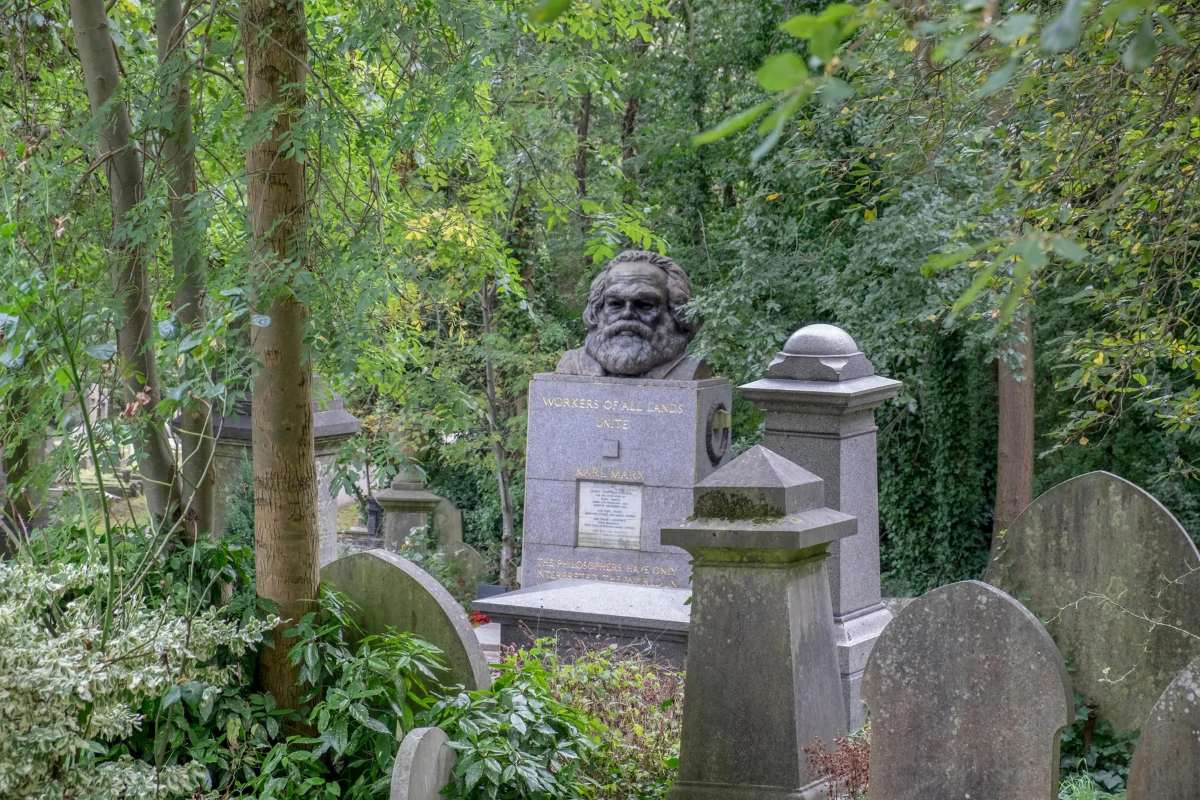
Halloween travel across Europe has moved beyond commercial haunted houses, turning toward quiet reflection, architectural mastery, and deep historical resonance. Graveyard tourism—known formally as taphophilia and rooted in heritage-based dark tourism—treats historic burial grounds not as macabre spectacles but as preserved open-air museums, cultural landmarks, and vital ecological sanctuaries.
Recognized by the Council of Europe through the Association of Significant Cemeteries in Europe (ASCE), these necropolises showcase centuries of shifting European funerary art, spanning Gothic Revival, Neoclassical realism, and Victorian garden design. October’s misty mornings and thinning canopies provide an evocative backdrop to explore these solemn monuments responsibly.
Key European Heritage Cemeteries at a Glance
| Cemetery | Location | Key Landmark / Notable Burial | Practical Visitor Requirement |
| Highgate Cemetery | London, United Kingdom | Karl Marx, Egyptian Avenue | East: walk-in paid entry; West: pre-booked tour recommended |
| Père Lachaise | Paris, France | Jim Morrison, Oscar Wilde, Chopin | Free entry; mandatory map download (cobblestones limit accessibility) |
| Old Jewish Cemetery | Prague, Czech Republic | Rabbi Judah Loew ben Bezalel | A pre-booked Jewish Museum ticket required; closed Saturdays |
| Cimitero Monumentale | Milan, Italy | Campari Family Tomb, Civico Famedio | Free entry; closed Mondays; strictly enforced photography etiquette |
Highgate Cemetery: London’s Overgrown Victorian Sanctuary
Established in 1839 as part of London’s “Magnificent Seven” private burial grounds, Highgate Cemetery was built to alleviate the severe health crises facing inner-city churchyards. Divided into East and West sections, it is designated as a Grade I site on the Register of Parks and Gardens of Special Historic Interest.
- The Highlights: The West Cemetery features the striking subterranean Egyptian Avenue, the Catacombs, and the circular Lebanon Circle, framed by towering Victorian cedar trees. The East Cemetery houses the monumental bronze bust of Karl Marx, alongside novelist George Eliot.
- On-the-Ground Tip: While the East Cemetery allows self-guided entry for a modest conservation fee, the sensitive, overgrown pathways of the West Cemetery are best accessed via official guided heritage tours. Book at least two weeks ahead for late October slots. Take the Northern Line to Archway and prepare for a steep uphill walk through Waterlow Park.
Père Lachaise: Paris’s Open-Air Pantheon
Founded by Napoleon I in 1804, Père Lachaise Cemetery pioneered the English garden-style necropolis, combining public sanitation with classical commemoration. Welcoming over three million visitors annually, it stands as the most visited cemetery in the world.
Advertisement
Advertisement
- The Highlights: Iconic graves include the modern sphinx monument of Oscar Wilde (sculpted by Jacob Epstein and now shielded behind protective glass), the floral tributes surrounding rock icon Jim Morrison, and the gravesites of Frédéric Chopin, Édith Piaf, and Marcel Proust.
- On-the-Ground Tip: Enter via the Gambetta Métro station rather than the main boulevard entrance; this lets you walk downhill through the 110-acre grounds instead of climbing the steep, uneven cobblestones. Download an offline map from the City of Paris portal before entering, as cellular reception drops sharply among the stone mausoleums.
Old Jewish Cemetery: Prague’s Centuries of Layered Memory
Located in Prague’s historic Josefov quarter, the Old Jewish Cemetery served the community from the early 15th century until 1787. Because physical boundaries within the Jewish ghetto prevented outward expansion, bodies were interred up to twelve layers deep. Over 12,000 tightly clustered, lichen-crusted headstones lean at stark angles, creating an arresting historical landscape.
- The Highlights: The grave of Rabbi Judah Loew ben Bezalel—the revered 16th-century Talmudic scholar associated with the legend of the Golem—remains a site of pilgrimage, where visitors place small prayer stones on his marker.
- On-the-Ground Tip: The cemetery cannot be entered on a standalone ticket; access is granted exclusively through the Jewish Museum in Prague comprehensive ticket. The site is strictly closed on Saturdays and Jewish holidays. Arrive when doors open at 9:00 AM to navigate the narrow wooden boardwalks ahead of tour groups.
Cimitero Monumentale: Milan’s Marble Gallery
Opened in 1866, Milan’s Cimitero Monumentale functions as a premier open-air museum of Italian sculpture, charting the artistic movement from 19th-century Realism to Art Nouveau.
- The Highlights: The entrance is anchored by the Famedio (Hall of Fame), housing novelist Alessandro Manzoni. Beyond the hall, wide boulevards showcase dramatic private mausoleums, including the Campari family tomb, which features an intricate bronze recreation of the Last Supper.
- On-the-Ground Tip: Admission is free, but the cemetery is closed on Mondays. The grounds cover broad, unshaded paved avenues; wear sturdy shoes and obtain an architectural map from the info desk inside the main courtyard.
Preserving Tangible Heritage: Visitor Etiquette
- Stick strictly to marked trails: Avoid walking over exposed root systems or leaning stones, particularly in older, overgrown sections like Highgate.
- Maintain quiet decorum: Do not run, leave commercial decorations, or treat graves as selfie props.
- Support conservation: Many of these historic sites rely entirely on modest admission fees and local trust donations for structural preservation. Booking official heritage tours directly ensures the architectural legacy remains safeguarded for future generations.
Advertisement
Advertisement
Advertisement
