
France Joins Italy, Belgium and More in Elevating Festive Tourism Appeal as Europe Gears Up for a Spectacular Christmas Travel Season in 2026

Published
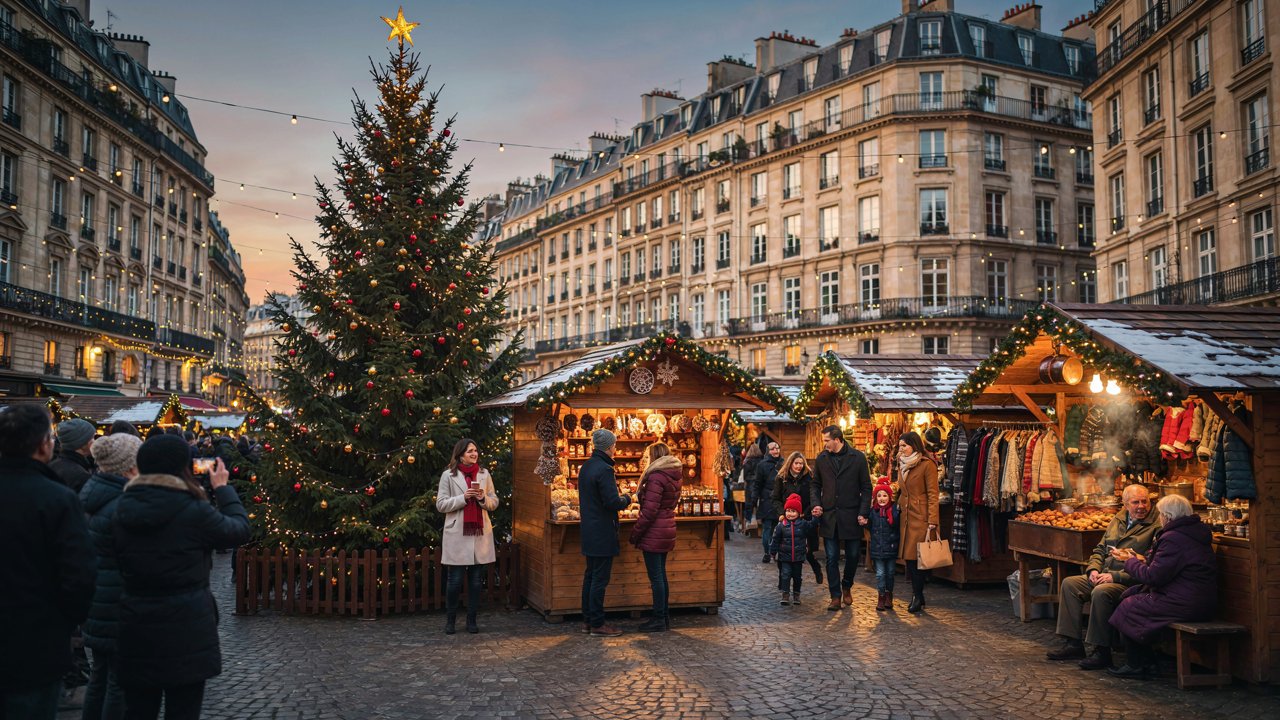
Europe’s highly anticipated Christmas and New Year tourism season is approaching amid growing concerns about demonstrations, transport strikes and public disruption across several popular destinations. France and Italy are attracting particular attention, while Belgium, Spain, Portugal and Albania are also facing travel-related uncertainties. As millions of international visitors prepare for festive holidays, winter city breaks and seasonal celebrations, potential interruptions to railway services, airports and urban transport could complicate travel plans. Although Europe’s tourism industry remains resilient, the developing situation highlights the importance of flexible bookings, reliable transport information and careful holiday preparation.
France Faces Growing Tourism Uncertainty as Demonstrations Affect Major Cities
France is entering the festive travel period with increased attention on demonstrations and their potential consequences for tourism.
Paris remains one of Europe’s leading Christmas destinations, attracting visitors through the Eiffel Tower, Louvre Museum, Champs-Élysées and seasonal cultural attractions.
However, demonstrations have raised concerns about transport accessibility and visitor movement.
Advertisement
Advertisement
Updated travel guidance issued on 22 October 2026 identifies an increased likelihood of demonstrations across France, including gatherings organised at short notice.
Authorities may introduce temporary restrictions, while public transport and road services can experience disruption.
Advertisement
Advertisement
Other major French cities, including Lyon, Marseille, Lille, Nantes, Toulouse and Montpellier, are also important tourism centres where visitors should monitor local developments.
Although most demonstrations remain peaceful, travellers are advised to avoid large gatherings and follow instructions from local authorities.
For the hospitality industry, maintaining reliable access to attractions, railway stations and accommodation will be particularly important during the approaching holiday season.
Italy Prepares for Nationwide Transport Strike Ahead of Winter Holiday Demand
Italy is another major European destination facing travel disruption concerns.
A national strike scheduled for 30 October 2026 is expected to affect transport systems, creating potential complications for travellers moving between major cities.
Updated travel guidance also identifies demonstrations in northern Italian cities, including incidents of unrest and an increased security presence in Milan.
Advertisement
Advertisement
Rome, Florence and Venice remain prominent destinations for winter cultural tourism.
Meanwhile, Bolzano, Trento and other northern destinations attract holidaymakers interested in Christmas markets, Alpine scenery and seasonal celebrations.
Italy’s winter appeal extends beyond city tourism to mountain resorts, traditional villages and winter sports.
However, transport interruptions could affect railway journeys, airport connections and carefully planned holiday itineraries.
Travellers should confirm operating schedules before departure and allow flexibility when arranging connections.
Importantly, the announced October strike does not establish that Italian transport will be disrupted throughout Christmas or New Year.
Advertisement
Advertisement
Belgium’s Repeated Strike Activity Raises Concerns for Brussels and International Rail Connections
Belgium is experiencing continued industrial action concerns that could affect tourism and international travel.
Official guidance identifies strikes as an ongoing issue, with several national stoppages recorded during 2026.
Brussels is particularly significant because of its international railway connections, administrative districts and popular cultural attractions.
Transport disruption can affect visitors travelling through the Belgian capital to neighbouring France, Germany and the Netherlands.
The city’s Christmas attractions and historic Grand-Place remain major features of its winter tourism appeal.
Bruges and Ghent also offer historic architecture, seasonal shopping and picturesque urban experiences.
Advertisement
Advertisement
However, demonstrations around Brussels’ European Quarter and transport hubs can complicate journeys.
Visitors planning multi-country European rail itineraries should verify connections and allow additional time for transfers.
Belgium’s situation demonstrates how local industrial action can affect travel beyond a single national destination.
Spain’s Madrid and Barcelona Highlight the Importance of Monitoring Public Gatherings
Spain remains an attractive destination for travellers seeking festive city breaks, Mediterranean culture and winter sunshine.
Madrid offers Christmas illuminations, historic squares and shopping districts, while Barcelona combines architectural attractions with seasonal celebrations.
However, official travel advice notes that demonstrations and political gatherings can occur with limited advance notice.
Advertisement
Advertisement
Although most gatherings are peaceful, some may involve disorder or temporary restrictions.
Travellers should follow instructions from police and local authorities when demonstrations occur.
Potential transport strikes also require attention, particularly for visitors combining flights with railway connections.
Spain’s diverse tourism offering remains a major advantage during winter, with destinations ranging from cultural cities to coastal holiday areas.
Nevertheless, travellers should distinguish general warnings about possible demonstrations from confirmed disruptions affecting specific services.
Portugal’s Lisbon and Porto Face Potential Travel Interruptions During Festive Season
Portugal’s Christmas tourism appeal includes historic Lisbon, picturesque Porto and destinations offering comparatively mild winter conditions.
Advertisement
Advertisement
However, official travel guidance identifies strikes and demonstrations as recurring considerations.
Industrial action may affect transport operations, including airports, sometimes with limited warning.
For international travellers, unexpected disruptions can create difficulties when connecting between flights, rail services and accommodation.
Lisbon’s historic neighbourhoods, waterfront attractions and seasonal celebrations remain important visitor experiences.
Porto offers cultural landmarks, traditional cuisine and a distinctive festive atmosphere.
Travellers planning holidays in Portugal should monitor transport updates and maintain flexibility where possible.
Advertisement
Advertisement
The possibility of industrial action does not mean widespread cancellation of Christmas activities, but it reinforces the importance of checking individual services before travelling.
Albania’s Tirana Demonstrations Add Another Dimension to European Travel Concerns
Albania has also experienced demonstrations, particularly in the capital, Tirana.
Official travel guidance updated in October identifies gatherings in central Tirana, including some incidents involving violence and property damage.
Demonstrations can lead to traffic diversions and temporary interruptions to normal urban movement.
For tourists exploring Albania’s capital, historic attractions and surrounding destinations, avoiding protest locations remains advisable.
Tirana continues to offer cultural attractions, colourful architecture and access to other parts of the country.
Advertisement
Advertisement
However, travellers should remain informed about local conditions, particularly when using road transport.
Albania’s situation illustrates how political gatherings can affect visitor mobility even outside Europe’s largest tourism markets.
European Countries Facing Potential Tourism Disruption Before Christmas 2026
| Country | Key tourist destinations | Main concern | Potential impact on travellers |
|---|---|---|---|
| France | Paris, Lyon, Marseille, Lille | Demonstrations and industrial action | Road restrictions and public transport delays |
| Italy | Rome, Milan, Florence, Venice | Planned national transport strike and demonstrations | Railway and transport interruptions |
| Belgium | Brussels, Bruges, Ghent | Recurring strikes | Rail delays and international connection difficulties |
| Spain | Madrid, Barcelona | Demonstrations and possible industrial action | Local travel restrictions and schedule changes |
| Portugal | Lisbon, Porto | Short-notice transport strikes | Airport and transport disruption |
| Albania | Tirana | Demonstrations and public disorder | Traffic diversions and restricted access |
These developments do not indicate that all listed destinations are experiencing simultaneous disruption or that Christmas celebrations have been cancelled.
Europe’s Winter Tourism Economy Faces an Important Test Ahead of Christmas
Europe’s tourism industry represents a substantial part of the regional economy.
According to Eurostat, EU tourist accommodation establishments recorded approximately 3.1 billion overnight stays in 2025, with France, Italy, Spain and Germany accounting for a particularly large share.
During the first half of 2026, overnight stays across the European Union continued to increase.
Advertisement
Advertisement
This demonstrates the strength of tourism demand entering the latter part of the year.
Winter tourism supports hotels, restaurants, ski resorts, Christmas markets, cultural attractions and transport operators.
A widely circulated commercial estimate places Europe’s 2026 winter tourism market near $187 billion. However, this projection is not an independently verified government statistic and should not be interpreted as the amount currently threatened by protests.
The actual financial consequences will depend on the geographical extent, duration and severity of disruptions.
There is currently insufficient official evidence to quantify Europe-wide tourism losses resulting from the demonstrations.
Christmas Markets and Seasonal Attractions Remain Central to European Holiday Demand
Despite uncertainty surrounding demonstrations and industrial action, Europe’s festive tourism offering remains diverse.
Advertisement
Advertisement
France attracts visitors to Paris and historic regional destinations.
Italy offers Christmas markets, illuminated city centres and Alpine holiday experiences.
Belgium combines medieval architecture with winter markets, while Spain offers vibrant seasonal celebrations.
Portugal appeals to visitors seeking cultural city breaks, and Albania provides opportunities for exploring emerging European destinations.
| Destination | Popular winter experiences |
|---|---|
| Paris, France | Christmas illuminations, museums and shopping |
| Rome, Italy | Historic monuments and festive traditions |
| Bolzano, Italy | Christmas markets and Alpine atmosphere |
| Brussels, Belgium | Historic squares and winter celebrations |
| Madrid, Spain | Festive lights, shopping and cultural attractions |
| Lisbon, Portugal | Seasonal markets and historic neighbourhoods |
| Tirana, Albania | City exploration and local cultural experiences |
These experiences remain important to European winter tourism, although travellers should confirm individual event schedules and operating arrangements.
International Travellers Should Prepare for Possible Airport and Railway Disruptions
Transport connectivity is one of the most important considerations for tourists visiting several European countries during one holiday.
Advertisement
Advertisement
A local strike can affect onward journeys, particularly where passengers depend on closely timed railway or flight connections.
Travellers should check airline and railway notifications before leaving for stations or airports.
Flexible accommodation arrangements may help when transport schedules change.
Travel insurance should also be reviewed carefully, since disruption cover depends on policy terms and exclusions.
Visitors should avoid demonstrations, respect temporary restrictions and follow advice from local authorities.
These precautions allow tourists to manage uncertainty without unnecessarily abandoning planned European holidays.
Advertisement
Advertisement
Frequently Asked Questions
1. Will protests disrupt Christmas holidays across Europe?
Disruptions are possible in affected locations, but there is no verified basis for predicting widespread cancellation of European Christmas holidays.
2. Which countries require additional travel attention?
France, Italy, Belgium, Spain, Portugal and Albania have official guidance identifying demonstrations or potential transport disruption.
3. Is Italy facing a confirmed transport strike?
Yes. A national strike is planned for 30 October 2026, with potential effects on transport systems.
Advertisement
Advertisement
4. Are European Christmas markets being cancelled?
The reviewed official information does not establish widespread Christmas market cancellations because of protests.
5. Could international flights and railway services be affected?
Yes. Industrial action can interrupt transport services, although the effects depend on the location, operator and timing.
6. Should travellers cancel their European winter holidays?
Cancellation is not automatically necessary. Travellers should assess current conditions, confirmed disruption notices, booking flexibility and official travel advice before deciding.
Advertisement
Advertisement
Europe’s Christmas Tourism Outlook Depends on Transport Reliability and Visitor Confidence
Europe is approaching its festive travel season with strong tourism demand but growing operational uncertainties in several countries.
France and Italy face particularly important developments, while Belgium, Spain, Portugal and Albania highlight the wider relevance of demonstrations and industrial action.
For the travel industry, disruption risks extend beyond individual protests to include railway connections, airport access and visitor confidence.
Nevertheless, the continent’s historic destinations, Christmas markets and cultural experiences remain compelling attractions.
The coming months will determine whether temporary demonstrations create limited local inconveniences or more substantial commercial consequences.
For travellers, careful planning and reliable information remain the most effective ways to enjoy Europe’s winter holiday experiences.
Advertisement
