
Junik and More See Tourism Soar as Foreign Visitors Discover Hidden Mountain Gems of Kosovo

Published
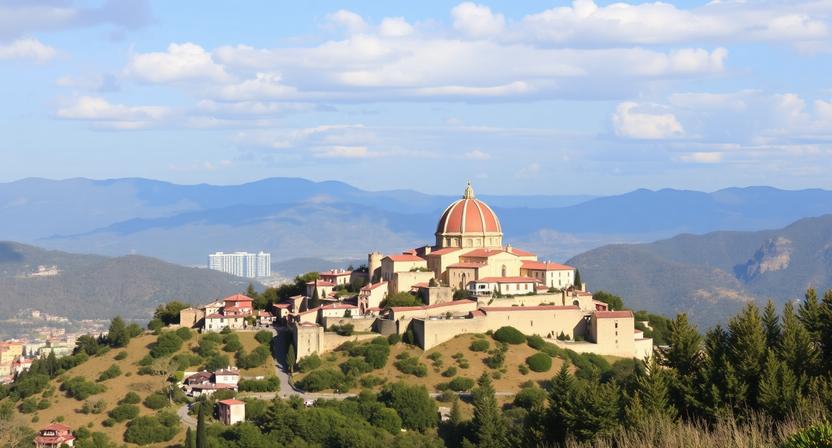 Image generated with Ai
Junik and more destinations are seeing tourism soar as foreign visitors discover the hidden mountain gems of Kosovo. Increasingly, travellers are choosing Junik and more quiet places for authentic mountain experiences. Foreign visitors now see Kosovo as an exciting destination, while hidden mountain gems continue attracting curious travellers. Moreover, Kosovo’s growing tourism appeal is helping Junik and more destinations gain international attention. These hidden mountain gems offer nature, culture, adventure and memorable local experiences. As foreign visitors explore deeper, Kosovo tourism is entering a fresh chapter. Travel And Tour World urges readers to continue through the entire story to discover the destinations, travel experiences and essential insights behind this remarkable tourism surge.
Kosovo Tourism Growth Opens the Door to Six Underrated Destinations Travellers Should Discover in 2026
Kosovo’s tourism story is becoming increasingly international. The country’s latest hotel statistics show that 2025 brought 762,836 visitors, including 463,092 foreign visitors. Foreign travellers represented 60.7% of all hotel visitors. Total overnight stays reached 1,653,390, with foreign guests responsible for 54.6% of the total. Foreign arrivals increased 9.4% compared with 2024.
The momentum continued into 2026. In February, Kosovo hotels recorded 56,644 visitors, including 32,228 foreign guests. March brought 46,649 visitors and 27,469 foreign visitors. April increased to 67,093 visitors, including 40,060 foreigners.
July provided an even stronger summer signal. Kosovo recorded 99,053 hotel visitors and 217,798 overnight stays. Foreign visitors generated 149,509 overnight stays, accounting for 68.6% of the monthly total. Foreign hotel visitors reached 66,954.
Advertisement
Advertisement
For travellers, these numbers create a useful question: where should visitors go beyond the country’s better-known urban centres?
Kosovo’s official tourism strategy and regional-development documents identify considerable potential in mountain, rural, cultural, adventure, health and heritage tourism. That makes several lesser-known municipalities particularly interesting for travellers planning a longer 2026 itinerary.
Advertisement
Advertisement
Kosovo Tourism Data Shows a Strong Five-Year Recovery
Kosovo’s official hotel statistics provide a clear national picture. ASK records visitors who spend at least one night in an accommodation establishment. Overnight stays represent nights spent in registered accommodation.
| Year | Domestic visitors | Foreign visitors | Total visitors | Domestic nights | Foreign nights | Total nights |
|---|---|---|---|---|---|---|
| 2021 | 142,298 | 212,843 | 355,141 | 222,402 | 357,800 | 580,202 |
| 2022 | 162,879 | 267,880 | 430,759 | 297,588 | 544,701 | 842,289 |
| 2023 | 263,769 | 357,717 | 621,486 | 800,962 | 746,501 | 1,547,463 |
| 2024 | 274,787 | 423,282 | 698,069 | 694,939 | 827,951 | 1,522,890 |
| 2025 | — | 463,092 | 762,836 | — | — | 1,653,390 |
2021–2024 figures are calculated directly from ASK’s published domestic and foreign series. ASK’s 2025 release reports total visitors, foreign visitors, total nights and the domestic/foreign shares.
Advertisement
Advertisement
The five-year comparison shows a major expansion in international demand. Total hotel visitors increased from approximately 355,000 in 2021 to more than 762,000 in 2025. Foreign visitors more than doubled during the same period, rising from 212,843 in 2021 to 463,092 in 2025.
The accommodation network also expanded. ASK’s 2024 register contained 529 accommodation units, providing 9,705 rooms and 20,271 beds. Hotels accounted for 277 units, while motels numbered 172. Guesthouses, hostels, apartments and bungalows made up the remainder.
| Accommodation type in 2024 | Units | Rooms | Beds |
|---|---|---|---|
| Hotels | 277 | 7,158 | 14,904 |
| Motels | 172 | 2,023 | 4,038 |
| Guesthouses | 11 | 53 | 128 |
| Hostels | 12 | 55 | 206 |
| Apartments | 15 | 25 | 50 |
| Bungalows | 42 | 391 | 945 |
| Total | 529 | 9,705 | 20,271 |
ASK’s 2024 regional figures also show why western Kosovo deserves particular attention. The Peja region recorded 203,074 visitors and 591,673 overnight stays, while Prizren recorded 146,174 visitors and 263,393 overnight stays. Pristina remained the largest region by visitor volume, with 205,405 visitors and 341,685 nights.
1. Junik: An Alpine Base for Travellers Seeking Quiet Adventure
Junik is one of the strongest choices for travellers who want mountains, traditional architecture and rural hospitality without building their entire trip around a major city. The municipality sits beneath the Accursed Mountains and close to Gjeravica, Kosovo’s highest peak at 2,656 metres. Official municipal information describes Junik as a four-season destination, with hiking, mountaineering, cycling, freeride skiing, camping and agrotourism. The best travel plan is to allow two or three nights. Spend the first day exploring Junik’s traditional tower houses and village surroundings. Use the second day for a mountain excursion towards the Gjeravica area, choosing a route appropriate for your experience and weather. A third day can be reserved for rural experiences and a slower food-focused itinerary. Visitors should try flia, a traditional layered dish prepared in a saç, alongside mountain meat, fresh dairy products and locally produced honey. These foods are specifically highlighted by the municipality as part of Junik’s agrotourism identity. For accommodation, travellers can consider local guesthouses and mountain-oriented stays rather than relying only on conventional hotels. Current accommodation options include Guest House TOFAJ and Grand Gjeravica Hotel. For food, options include Oda e Junikut, Moronica Restaurant and Trofta e Junikut. These are practical examples rather than official rankings, and travellers should confirm current opening hours and availability before travelling. Junik is particularly suitable for visitors combining Kosovo with Albania or Montenegro because of its position near the wider cross-border mountain landscape. The municipality describes its location as a meeting point between Kosovo, Albania and Montenegro.
Advertisement
Advertisement
2. Deçan: Mountain Landscapes, Heritage and Emerging Adventure Tourism
Deçan offers one of Kosovo’s most interesting combinations of cultural heritage and mountain travel. The municipality identifies four tourism zones covering the town and surrounding areas, the Deçan Gorge, the Lloqan Gorge and the Strellc mountain area. The surrounding mountains form part of the wider Accursed Mountains landscape, while the municipality’s cultural attractions include the famous Deçan Monastery and traditional towers and mills. Official planning documents say the municipality has substantial tourism potential but that visitor use remains below the accommodation capacity available in parts of the area. This creates an attractive proposition for travellers who prefer destinations that have not reached the intensity of Europe’s established mountain resorts. A practical three-day plan can begin with the town and heritage sites. The second day can focus on the Deçan mountain zone, while the third can be dedicated to outdoor recreation. Deçan has also been developing adventure infrastructure. The municipality reported a 1,107-metre zip-line project with two parallel lines in the Accursed Mountains, designed to strengthen mountain and adventure tourism. The Via Dinarica has also become part of the area’s adventure-tourism development through the NaturKosovo project. Food should focus on traditional Kosovo-Albanian dishes, grilled meats, dairy products, seasonal vegetables and mountain-style hospitality. For accommodation, visitors can look at local guesthouses and hotels around Deçan. Gacaferi Guest House is one current guesthouse option, while Belle Resort provides a food stop in the wider area. Travellers interested in religious heritage should check access arrangements before visiting protected religious sites. The strongest reason to choose Deçan in 2026 is its ability to combine heritage sightseeing with active travel within a relatively compact itinerary.
3. Istog: A Slower Rural Escape Built Around Water, Food and Wellness
Istog is a strong choice for travellers who want to experience a quieter side of western Kosovo. Regional development documents identify health and wellbeing tourism around Istog’s thermo-mineral waters as an important opportunity. They also identify the wider western region, including Istog, as suitable for mountain tourism, rural experiences, recreation and agrotourism. Instead of treating Istog as a quick stop, visitors can create a two-night itinerary around nature, food and relaxation. A first day can explore the local landscape and traditional settlements. The second can focus on the area’s water-related attractions and a long lunch featuring regional cuisine. Istog is particularly associated with freshwater and trout-based food experiences. Travellers can look for dishes built around locally sourced fish, grilled meat, dairy and seasonal produce. Hotel Scanderbeg is one practical local option for dining and accommodation, while Hotel Kosova Park provides another accommodation choice in the municipality. The Scanderbeg restaurant’s published menu includes traditional roasted meat, chicken dishes, risotto, pasta and locally sourced ingredients. Travellers looking for a more food-focused route can also investigate the area’s trout restaurants, including the well-known local restaurant cluster around the Drin. Current traveller listings show several establishments specialising in trout and regional cuisine, although these reviews should be treated as traveller feedback rather than official tourism statistics. Istog’s appeal is its pace. It works well for travellers who have already visited Kosovo’s major urban attractions and want a rural extension. A four-day western Kosovo route could combine Istog with Peja, Deçan and Junik. This reduces unnecessary backtracking while allowing visitors to experience several different tourism products. The municipality’s current administrative records confirm ongoing local activity during 2026, but no official municipal visitor series comparable with ASK’s national hotel statistics has been published.
4. Novo Brdo: Medieval Mining History and Rural Kosovo
Novo Brdo provides a completely different experience from the mountain destinations in western Kosovo. The destination is linked to Kosovo’s medieval mining history and archaeological heritage. Kosovo’s official tourism platform describes Novo Brdo as the Silver City of Antiquity, highlighting its medieval fortress and former mining importance. The surrounding villages also offer rural tourism opportunities and traditional guesthouse stays. The destination is particularly suitable for travellers interested in archaeology, medieval history and slower countryside travel. A one-day visit can concentrate on the fortress and surrounding archaeological landscape. Travellers with more time can stay overnight in a rural guesthouse and explore the villages rather than returning immediately to Pristina. Officially promoted attractions include the medieval fortress, rural tourism and nearby heritage sites. A broader regional development assessment found that many residents in Novo Brdo identified the fortress as the area’s main tourist attraction, while other potential attractions include Draganac Monastery, archaeological remains, churches and hiking routes. Food should be approached as a rural experience rather than a destination built around fine dining. Travellers can look for homemade breads, grilled meat, dairy, seasonal vegetables, pies and traditional Kosovo dishes at rural accommodation. Because accommodation and restaurant infrastructure is more limited than in Pristina or Prizren, advance planning is advisable. Novo Brdo works particularly well as an eastern Kosovo excursion from Pristina. Travellers can spend the morning exploring the historic site, have a long rural lunch and continue towards nearby cultural attractions before staying locally or returning to the capital. The destination is also valuable for visitors seeking a historical narrative that differs from Kosovo’s better-known Ottoman-era city experiences. Its mining heritage adds another layer to a country increasingly marketing culture alongside nature and adventure tourism.
5. Dragash: Sharri Mountains, Rural Food and Outdoor Experiences
Dragash is one of Kosovo’s most compelling choices for travellers interested in mountain landscapes and rural culture. The municipality sits in the southern part of Kosovo and forms part of the Sharri mountain environment. Official municipal activity in 2026 demonstrates continued support for culture, sport, tourism-related community initiatives and outdoor activities. In June 2026, Dragash announced funding for organisations including the Opoja horse club, Sharri skiing club, Enduro Sharri motor club and Opoja cycling club. That range of activities illustrates why Dragash can support a multi-interest itinerary. Travellers can combine hiking and mountain scenery with cycling, horseback activities and local cultural experiences. A three-night plan could begin in Dragash town, continue into the Opoja area and then move towards mountain villages and outdoor recreation areas. The municipality has also supported cultural events such as the Opoja Vallëzon Balkan folklore festival and community events around Brezna Lake and surrounding settlements. Food is an important part of the experience. Visitors should seek Opoja-style home cooking, grilled meats, dairy products, homemade breads, pies and traditional dishes served during rural and cultural events. Travellers wanting a more authentic experience should consider family-run accommodation or rural stays where meals can form part of the visit. The official tourism strategy increasingly places nature, adventure, rural and cultural tourism together rather than treating them as separate products. Dragash is therefore well suited to travellers who want an active itinerary without the crowds associated with major European mountain destinations. However, visitors should plan transport carefully because some attractions are dispersed across rural areas. Checking weather and local road conditions is also important before mountain excursions. Dragash can be paired efficiently with Prizren, creating a southern Kosovo itinerary focused on culture, food and mountains.
6. Gjakova: Ottoman Heritage, Local Food and a More Authentic City Experience
Gjakova is less remote than Junik or Dragash, but it remains useful for travellers looking beyond Kosovo’s headline destinations. The city belongs to Kosovo’s western tourism region and provides an excellent bridge between cultural tourism and excursions into surrounding rural areas. Kosovo’s official cultural heritage platform includes Gjakova as a distinct heritage region, while national regional-development material identifies the wider western area as suitable for mountain, cultural, rural, adventure and agrotourism. Travellers can spend the first day exploring the city’s historic areas and traditional commercial heritage. The second day can be used for nearby rural experiences or a longer excursion towards Junik and the Accursed Mountains. The third day can combine food, shopping and cultural sightseeing before continuing towards Deçan or Peja. Food should be a major part of the itinerary. Travellers can look for traditional grilled meats, pies, fresh dairy products, breads and Kosovo-Albanian dishes, while local cafés provide an easy way to experience the city’s everyday rhythm. Current accommodation choices include Hotel Ari Gjakove, Hotel Happy and SHQIP Boutique Hotel. These are examples of currently listed establishments, not official tourism rankings. Gjakova’s strategic advantage is connectivity. It can function as a base for a western Kosovo loop rather than simply being a standalone city break. The wider regional tourism assessment identifies Gjakova alongside Peja, Deçan, Junik and Istog as part of an area with substantial potential for mountain and related tourism products. For international visitors, this means Gjakova can provide the urban infrastructure needed before heading into quieter mountain areas. It is particularly valuable for travellers who want to combine historic streets, traditional food and easier accommodation with day trips into less-developed rural destinations.
Five-Year Tourism Comparison: What the Numbers Mean for Travellers
The national data reveal an important change in Kosovo’s tourism profile.
Advertisement
Advertisement
| Indicator | 2021 | 2022 | 2023 | 2024 | 2025 |
|---|---|---|---|---|---|
| Total hotel visitors | 355,141 | 430,759 | 621,486 | 698,069 | 762,836 |
| Foreign hotel visitors | 212,843 | 267,880 | 357,717 | 423,282 | 463,092 |
| Foreign visitor growth | — | +25.9% | +33.5% | +18.3% | +9.4% |
| Total overnight stays | 580,202 | 842,289 | 1,547,463 | 1,522,890 | 1,653,390 |
| Foreign share of visitors | 59.9% | 62.2% | 57.6% | 60.6% | 60.7% |
| Foreign share of nights | 61.7% | 64.7% | 48.3% | 54.3% | 54.6% |
The figures for 2021–2024 come directly from ASK’s published hotel tables. The 2025 figures and foreign visitor growth are from ASK’s annual 2025 release.
The regional data also show where accommodation demand has historically been strongest.
| Region | 2024 visitors | 2024 overnight stays | 2024 accommodation units |
|---|---|---|---|
| Pristina | 205,405 | 341,685 | 167 |
| Peja | 203,074 | 591,673 | 103 |
| Prizren | 146,174 | 263,393 | 99 |
| Ferizaj | 50,115 | 100,411 | 58 |
| Gjilan | 43,609 | 151,433 | 39 |
| Mitrovica | 36,847 | 50,019 | 33 |
| Gjakova | 12,844 | 24,276 | 30 |
| Kosovo total | 698,068/69 | 1,522,890 | 529 |
ASK’s 2024 data show the Peja region producing substantially more overnight stays than visitor numbers alone might suggest. This reflects its importance for longer nature and mountain trips.
2026 Monthly Momentum Shows Why Summer Matters
| 2026 month | Total visitors | Foreign visitors | Total overnight stays | Foreign overnight stays |
|---|---|---|---|---|
| February | 56,644 | 32,228 | 112,367 | 60,513 |
| March | 46,649 | 27,469 | 94,804 | 52,226 |
| April | 67,093 | 40,060 | 149,753 | 75,143 |
| July | 99,053 | 66,954 | 217,798 | 149,509 |
February’s foreign visitor total was 16.1% higher than February 2025. March’s foreign visitors rose 9.1%, while April recorded a 23.5% increase.
July’s figures demonstrate the scale of the summer peak. Foreign overnight stays reached 149,509, compared with 107,226 in July 2025, according to the July figures reported from Kosovo’s statistical release.
A Seven-Day Underrated Kosovo Travel Plan
| Day | Base | Suggested experience | Travel focus |
|---|---|---|---|
| Day 1 | Gjakova | Historic centre, traditional markets, local food | Culture |
| Day 2 | Junik | Traditional towers, rural food, mountain preparation | Heritage |
| Day 3 | Junik | Gjeravica/Rugova-area mountain excursion | Adventure |
| Day 4 | Deçan | Deçan heritage and mountain landscape | Culture + nature |
| Day 5 | Istog | Rural landscape, food and wellness-focused experiences | Food + relaxation |
| Day 6 | Dragash | Opoja villages, Sharri landscapes, outdoor activities | Rural + adventure |
| Day 7 | Novo Brdo | Medieval fortress and archaeological landscape | History |
This itinerary should be treated as a planning framework rather than a fixed tour. Mountain routes can require changes because of weather, seasonal access, road conditions and local safety considerations.
Advertisement
Advertisement
What Travellers Should Know About the Data
There is an important statistical distinction between hotel visitors, overnight stays and border entries.
ASK’s hotel statistics count people who spend at least one night in registered accommodation. A foreign visitor is someone whose permanent residence is outside Kosovo and who stays temporarily for at least one night.
Border-entry statistics measure something different.
In 2025, Kosovo recorded 7,465,625 entries by foreign citizens through its border points. This number is much larger than the 463,092 foreign hotel visitors because border movements include travellers who may not stay overnight in registered accommodation.
This distinction matters when judging the popularity of smaller destinations.
A traveller may visit Junik, Novo Brdo or Dragash without appearing as a destination-specific hotel visitor. Therefore, it would be misleading to claim that a particular small municipality received a specific number of tourists in 2026 without an official municipal dataset.
Advertisement
Advertisement
ASK’s methodology confirms that its hotel survey is designed primarily to provide national and regional hotel statistics.
Why These Six Places Matter for Kosovo’s Next Tourism Phase
Kosovo’s 2024–2030 tourism strategy places emphasis on developing the country’s tourism economy while improving destination products and expanding the visitor offer.
The western development region has particularly strong potential for mountain tourism. Official regional planning identifies Peja, Deçan, Junik, Gjakova and Istog for mountain tourism and related sports and recreational activities. It also identifies cave tourism, health and wellness, water and mountain recreation, agrotourism and cultural heritage as development opportunities.
That makes the six destinations useful additions to a 2026 travel plan.
Junik is best for alpine adventure and traditional hospitality. Deçan combines mountains with heritage. Istog adds food, water and wellness. Novo Brdo brings medieval history. Dragash delivers rural Sharri experiences. Gjakova provides the strongest urban gateway into western Kosovo’s quieter attractions.
For global travellers, the bigger story is not simply that Kosovo is receiving more visitors.
Advertisement
Advertisement
The more significant opportunity is that its tourism growth can spread beyond the most recognised cities.
As international overnight stays increase, travellers have an opportunity to discover a Kosovo built around mountains, heritage, food, rural communities and slower journeys. The country’s latest statistics suggest that international demand is growing. Its tourism strategy indicates that the next stage will depend increasingly on turning lesser-known places into stronger, accessible and sustainable travel experiences.
Conclusion
Junik and more hidden destinations are helping Kosovo tourism soar as foreign visitors search for authentic mountain experiences. From Junik and Deçan to Istog, Novo Brdo, Dragash and Gjakova, travellers can discover landscapes, heritage, local food and rural traditions beyond the country’s better-known attractions. Moreover, rising international overnight stays show that Kosovo is gaining stronger attention on the European travel map. For visitors seeking adventure, culture and quieter escapes, these destinations offer compelling reasons to explore further. Travel And Tour World highlights this emerging trend as an opportunity for global travellers to experience Kosovo beyond the usual routes and discover its lesser-known treasures.
Advertisement
