
South Korea’s Busan Prepares for BIFF 2026 as Global Cinema Returns to the Coast

Published
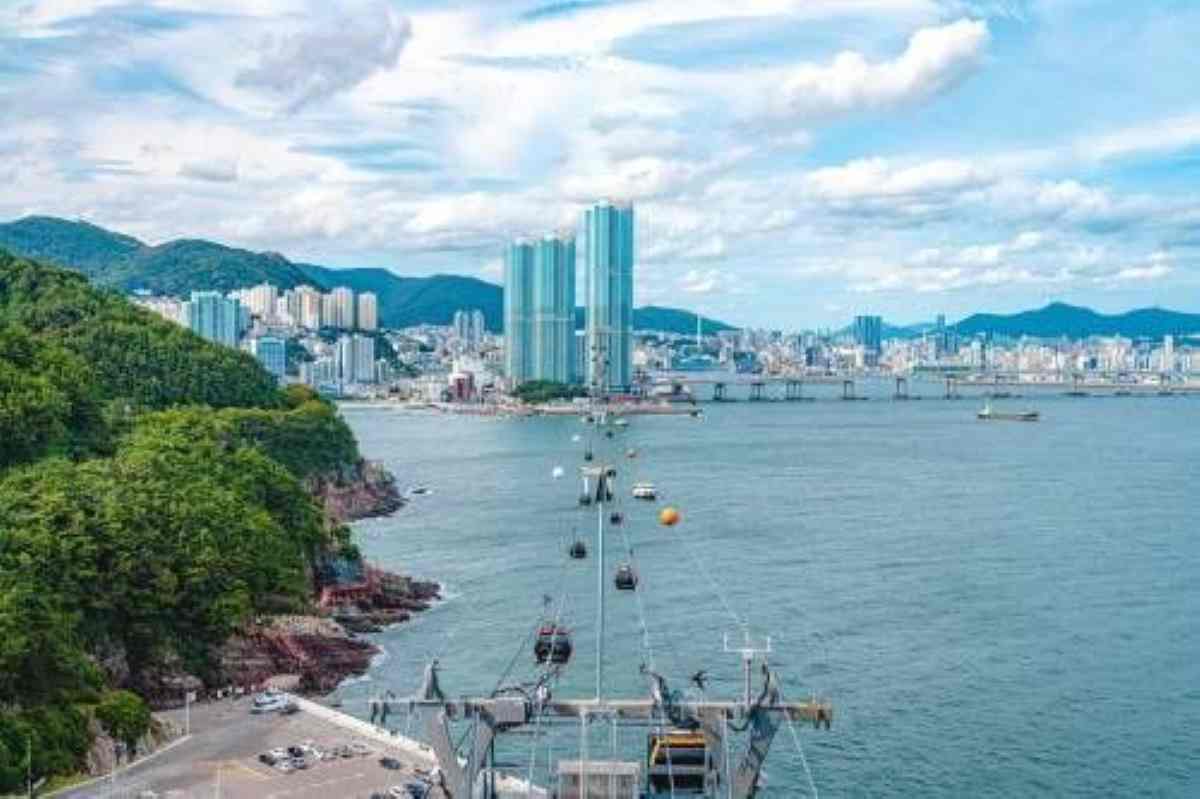
It is now gearing up to receive filmmakers, actors, distributors, and moviegoers from all around the world in celebration of the 31st Busan International Film Festival, which will run from October 6 through October 15, 2026. The official date of the festival differs from the October 1-3 opening gala period provided in the given festival concept, indicating that the festival itself hasn’t started as of October 3. According to the official schedule, there will be a total of 316 films shown on 31 screens in eight different locations such as the Busan Cinema Centre, CGV Centum City, and LOTTE CINEMA Centum City. Apart from the festival itself, the 21st edition of Asian Contents & Film Market will be held between October 10 and 13. Thus, the festival adds a business dimension to the already existing movie showings.
Busan Cinema Centre Takes Centre Stage
The Busan Cinema Centre remains the festival’s principal venue. Its distinctive cantilevered roof and large-scale lighting make it one of the city’s recognisable cultural landmarks.
Advertisement
Advertisement
The official opening ceremony is scheduled for October 6, with audience entry beginning at 5 pm, the red carpet from 6 pm to 7 pm, and the main ceremony from 7 pm. The opening film follows at 8.20 pm, subject to the published programme.
The festival’s official selection includes 247 films from 59 countries, with 105 world or international premieres. A further 69 films are listed under Community BIFF, extending screenings beyond the principal festival venues.
Advertisement
Advertisement
This scale gives visitors several ways to engage with the event, from headline screenings to filmmaker conversations and community programmes.
The Film Festival Builds a Wider Industry Platform
BIFF’s professional role is particularly visible through the Asian Contents & Film Market, scheduled for October 10–13. The market connects film and content professionals through industry participation, project development and business activity.
Advertisement
Advertisement
For Busan, this creates a relationship between cultural tourism and the international screen industry. Filmmakers and audiences bring visibility, while industry professionals can contribute to hotel stays, restaurants, transport and business services.
The festival has also been recognised by the International Federation of Film Producers Associations as an A-list festival, placing it among internationally accredited film events.
However, claims that private networking salons, exclusive ocean-view screenings or complete hotel suite buyouts have been secured for the 2026 edition could not be independently verified. They should not be presented as confirmed festival arrangements.
Haeundae and Marine City Extend the Visitor Experience
Haeundae provides a natural base for festival visitors, with its beach, hotels, restaurants and access to the Centum City cultural district.
Nearby Marine City offers a contrasting urban landscape of high-rise buildings and waterfront views. Its restaurants and accommodation contribute to Busan’s premium visitor offer, although no official evidence confirms that venues there are hosting the private after-parties described in the event concept.
The city’s appeal also extends beyond the festival district. Visitors can explore coastal walks, traditional markets, temples and neighbourhoods that present a different side of South Korea from Seoul’s metropolitan pace.
Advertisement
Advertisement
For international guests, combining screenings with local experiences can turn a festival visit into a broader city break.
Cinema Tourism Meets Busan’s Coastal Identity
Busan’s location along the southeast coast gives its film festival a distinct setting. The city combines urban architecture with beaches, harbours and mountain landscapes, allowing visitors to move between cultural venues and outdoor attractions.
The tourism opportunity is not limited to celebrity appearances. Film screenings, public talks, master classes and outdoor events create reasons for visitors to remain in the city across several days.
The official programme includes Open Talks, Actors’ House sessions, master classes, Cine Class and outdoor stage greetings. These events give audiences access to filmmakers and performers through scheduled public activities rather than relying on private industry gatherings.
For hotels, restaurants and local businesses, the festival provides a defined period of visitor demand. The extent of its economic impact will depend on actual attendance, visitor spending and accommodation data after the event.
Luxury Hospitality Requires Evidence Beyond the Red Carpet
The supplied concept describes a rise in high-end cultural tourism and complete suite buyouts. While Busan has an established premium hotel market, no verified occupancy figures or hotel reports were found to substantiate those specific claims for BIFF 2026.
Advertisement
Advertisement
The wider relationship between festivals and hospitality is nevertheless clear: international events create demand for rooms, dining, transport and private services. They can also help a destination attract visitors who might otherwise travel only during peak holiday periods.
For Busan, the challenge is to convert festival attention into repeat cultural travel. That means making the city attractive through its museums, food, coastline, architecture and creative communities, not just through a short red-carpet window.
The Countdown Moves Into October
The 31st BIFF will commence on October 6 and conclude on October 15, with the Asian Contents & Film Market being held during the last six days of the festival dates. The official program of the festival shows that there is a large program at the level of international films, directors’ participation, and industry activities. The October 1-3 gala dates are not the official opening dates of the festival and have not been confirmed regarding the private hospitality services. As Busan moves closer to the opening ceremony of the festival, the film festival retains its dual nature as a cultural event and an international venue for the city.
Advertisement
