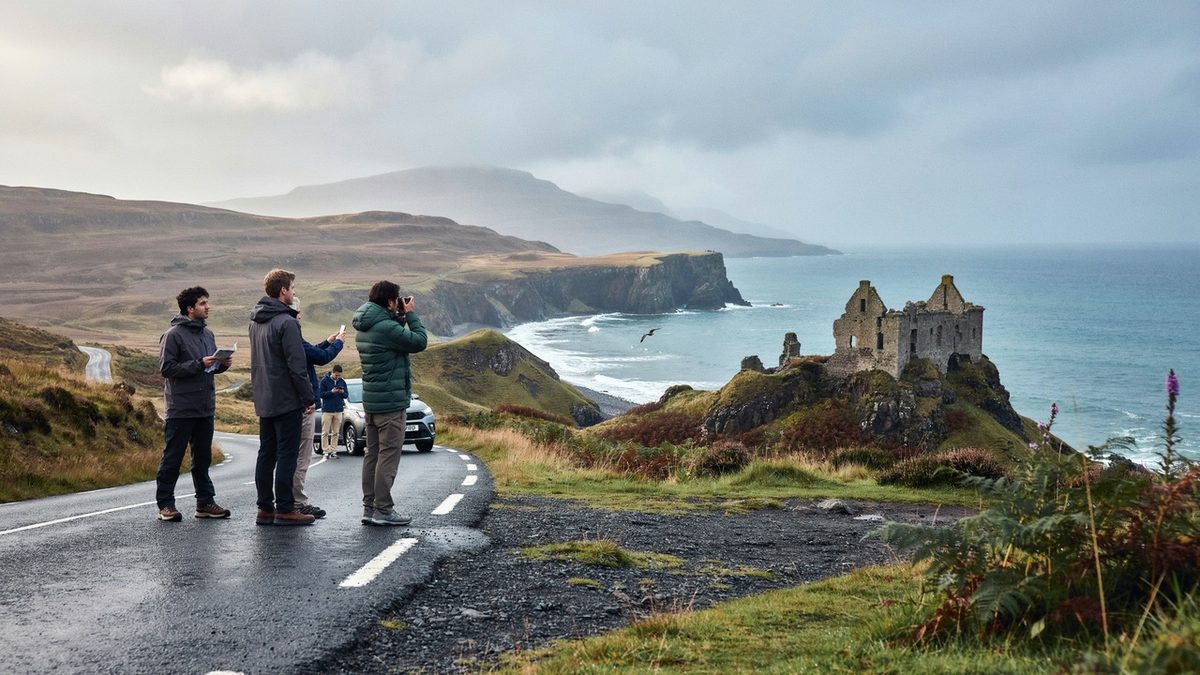
Image generated with Ai
Scotland is entering a new phase of tourism growth as travellers from the United States, Germany and wider European markets increasingly explore destinations beyond Edinburgh and Glasgow, driving demand for Highlands, islands, heritage routes and nature-based experiences. The shift reflects a broader change in international travel behaviour, with visitors seeking authentic landscapes, cultural connections and less crowded destinations rather than only traditional city breaks.
Scotland recorded 4.4 million international visitor trips in 2024, generating 30.7 million overnight stays and around £4 billion in visitor spending. International tourism recovery has been particularly strong, with the United States remaining Scotland’s most valuable overseas market, while Germany and other European countries continue strengthening their importance.
For travellers, this tourism expansion creates more opportunities to discover Scotland’s remote landscapes, historic villages, island communities and outdoor adventures while avoiding the busiest routes.
American travellers continue to be the strongest international force behind Scotland’s tourism expansion.
Advertisement
Advertisement
In 2024, visitors from the United States made 964,000 trips to Scotland, representing a 21% increase compared with the previous year. US travellers generated approximately £1.4 billion in spending, an increase of 17% compared with 2023.
The strength of the US market is especially important because American visitors often choose longer holidays and spend more on experiences such as:
Scotland’s appeal among US travellers has been supported by strong cultural connections, film and television exposure, heritage tourism and improved air connectivity.
The Scottish tourism sector has also expanded international connectivity, with additional US flight capacity helping strengthen access between North America and Scotland. Government reporting noted that Scotland secured 100,000 additional US airline seats in 2025 compared with 2024, improving access for American travellers.
| Traveller interest | Scotland experience |
|---|---|
| History | Castles, battlefields and ancient sites |
| Nature | Highlands, lochs and islands |
| Luxury | Premium lodges and exclusive experiences |
| Adventure | Hiking, wildlife and scenic routes |
| Culture | Gaelic traditions and local communities |
Germany is emerging as a key European growth market for Scotland as travellers increasingly search for outdoor experiences, cultural tourism and scenic destinations.
VisitScotland identifies Germany as one of Scotland’s priority international markets alongside the United States, France and other European countries.
European visitor spending showed strong momentum, with Scotland reporting significant growth from European markets. The Scottish Government noted that European visitor spending increased by 18%, supported by stronger demand from markets including Germany, Ireland and the Netherlands.
German travellers are particularly attracted to:
The launch of new air connections between Scotland and Germany is expected to strengthen this relationship further. New Glasgow connections with Frankfurt and Munich demonstrate growing confidence in Scotland’s tourism potential among European travellers.
| Germany tourism trend | Impact on Scotland |
|---|---|
| Demand for nature travel | Growth in Highland and island visits |
| Interest in sustainability | Supports rural tourism |
| Longer European holidays | Benefits accommodation providers |
| Cultural tourism demand | Supports heritage destinations |
While Edinburgh remains Scotland’s international gateway, visitor behaviour is changing.
More travellers are now extending journeys into:
This movement reflects a global tourism trend where visitors increasingly choose secondary destinations to experience authenticity and avoid overcrowded attractions.
Scotland’s island destinations are benefiting from this demand.
The Isle of Skye has become one of Scotland’s most recognised destinations internationally.
Travellers visit for:
The island represents the type of experience international travellers increasingly want — dramatic landscapes combined with local culture.
The Outer Hebrides is attracting travellers looking for:
The destination benefits from the global rise of slow travel, where visitors prefer longer stays and deeper cultural experiences.
Northern islands are strengthening Scotland’s position in heritage tourism.
Orkney attracts visitors through:
Shetland attracts visitors through:
VisitScotland’s island visitor research found that Shetland’s scenery and landscapes were among the strongest reasons for visits, with international visitors representing a significant share of leisure demand.
The expansion of international tourism is creating several advantages for visitors.
Travellers can now explore destinations beyond traditional city routes.
Instead of only visiting:
Visitors can build itineraries around:
Scotland is increasingly promoting itself as a year-round destination.
Travellers benefit from:
This helps reduce pressure during peak months.
International travellers increasingly want meaningful experiences rather than short sightseeing visits.
Scotland offers:
Scotland’s tourism growth is no longer dependent only on Edinburgh’s festivals or Glasgow’s urban attractions. The next phase is being shaped by international travellers from the United States, Germany and Europe who are discovering the country’s wider landscapes.
With international visitors contributing billions of pounds to the economy, stronger connectivity and rising demand for nature-based tourism, Scotland’s Highlands, islands and rural regions are becoming central to the country’s global tourism strategy.
For travellers in 2025–26, Scotland offers a wider choice than ever before — from ancient islands and dramatic coastlines to hidden villages and unforgettable outdoor journeys.
| Indicator | Data |
|---|---|
| International trips to Scotland (2024) | 4.4 million |
| International nights | 30.7 million |
| International visitor spending | £4 billion |
| US visitor trips | 964,000 |
| US visitor spending | £1.4 billion |
| US trip growth | +21% year-on-year |
| European visitor spending growth | +18% |
Scotland’s tourism future is expected to be shaped by continued growth from the United States, Germany and wider European markets, with international visitors increasingly moving beyond Edinburgh and Glasgow towards the Highlands, islands and rural destinations. The next phase of growth will likely depend on stronger air connectivity, year-round travel demand, sustainable tourism development and the rising popularity of authentic nature-based experiences.
The United States is expected to remain the backbone of Scotland’s international tourism strategy. American travellers already represent one of Scotland’s highest-value visitor groups, with strong demand for longer stays, premium experiences and cultural tourism.
In 2024, international visitors generated 4.4 million trips, 30.7 million nights and £4.0 billion in spending in Scotland. The North American market recorded the largest increase in visits compared with 2023, while European markets delivered some of the strongest spending growth.
Future growth from the US market is expected to be supported by:
Improved connectivity will remain a major advantage. Scotland has been expanding international air access, including additional US capacity, helping make destinations such as Edinburgh, Glasgow and the Highlands easier to reach for American travellers.
US visitors will gain more itinerary options combining:
Germany and European countries are expected to play a larger role in Scotland’s tourism future as travellers increasingly search for cooler climates, outdoor experiences and sustainable destinations.
European visitor spending has shown strong momentum, with the European market recording some of the largest increases in tourism value.
Future European demand is likely to benefit destinations such as:
German travellers are particularly aligned with Scotland’s strengths because of their strong interest in:
As European travellers increasingly avoid overcrowded destinations, Scotland’s remote landscapes could become a stronger alternative to traditional Mediterranean tourism hotspots.
Advertisement
Tags: germany tourism, Scotland tourism, Scotland Travel, Scottish Highlands, US travellers Scotland
Advertisement
Advertisement












Wednesday, September 2, 2026

Wednesday, September 2, 2026

Wednesday, September 2, 2026

Wednesday, September 2, 2026

Wednesday, September 2, 2026
Tuesday, September 1, 2026
Wednesday, September 2, 2026

Wednesday, September 2, 2026



