
Hilton Introduces Zero Emission Hotel Prototype to Drive Greener Future for US Hospitality Sector

Published
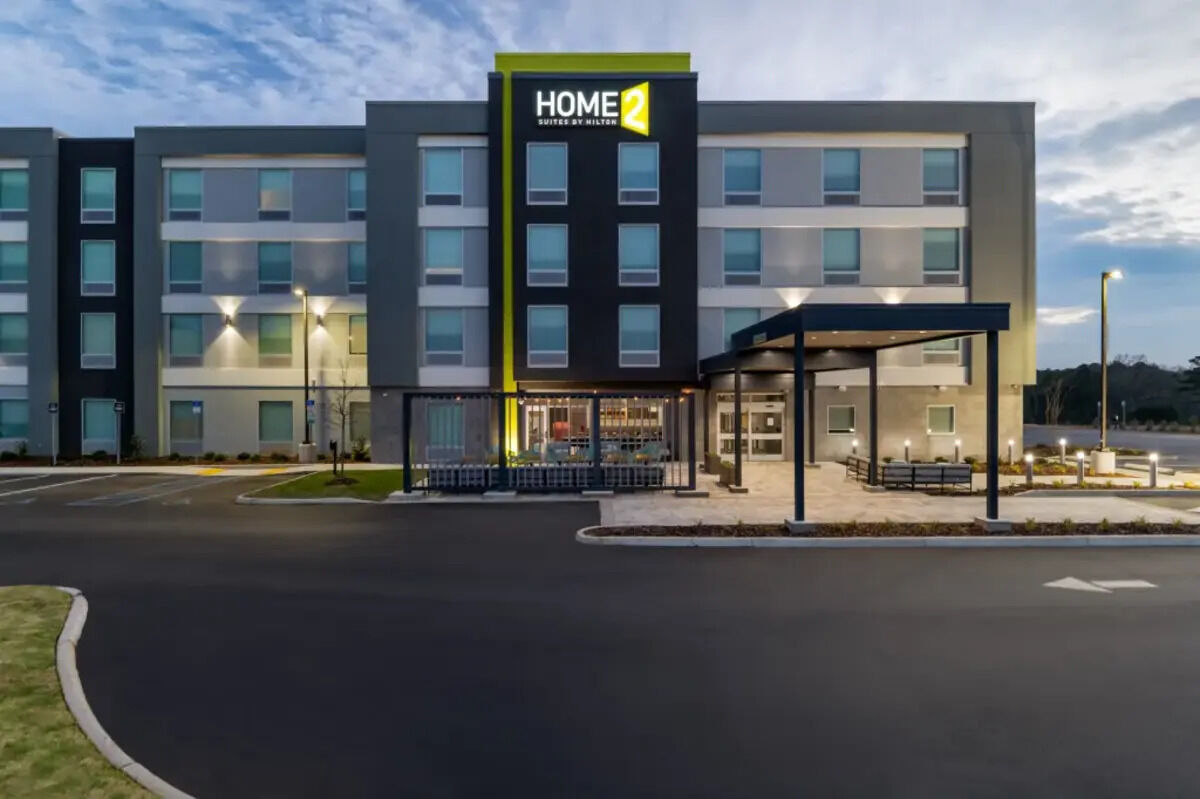
Image generated with Ai
Hilton has introduced an option for Home2 Suites by Hilton to utilize the company’s energy and carbon saving hotel design. This design will allow U.S. hotel owners and developers to cut energy costs, enhance building efficiency and reduce their hotel’s carbon footprint. The design will not alter the guest experience.
The Home2 Suites by Hilton Clean Energy Prototype has been developed as a ready-to-use hotel development model that combines advanced building strategies, renewable energy solutions and all-electric systems. The initiative represents Hilton’s first widely available hotel prototype designed to achieve zero operational emissions, marking a significant step in the company’s ongoing sustainability strategy.
Advertisement
Advertisement
The launch comes as rising utility expenses continue to place pressure on hotel operators. Increasing energy costs have encouraged the hospitality industry to explore smarter building designs and practical sustainability measures that can deliver long-term financial benefits while addressing environmental goals.
New Home2 Suites Prototype Targets Lower Energy Use and Stronger Hotel Performance
The newly introduced Clean Energy Prototype has been created to support hotel owners seeking more efficient operations without changing the core Home2 Suites experience. The design integrates multiple sustainability-focused features that work together to reduce energy consumption and improve long-term property performance.
Advertisement
Advertisement
The prototype combines all-electric building systems, renewable energy sources generated both on-site and through external supply options, and an improved building structure designed to enhance energy efficiency. These elements are intended to help reduce dependence on traditional energy sources while creating operational savings throughout the hotel’s lifecycle.
Advertisement
Advertisement
Hilton’s design approach focuses on helping owners manage one of the hospitality sector’s largest operating expenses: energy consumption. By improving efficiency from the construction stage, hotels can potentially achieve lower utility costs while also increasing resilience against future energy market changes.
A modelling assessment conducted across 13 cities in the United States highlighted several expected benefits from adopting the Clean Energy Prototype compared with a traditional Home2 Suites design using conventional energy sources.
The analysis indicates that the new design could:
Advertisement
Advertisement
- Improve overall energy efficiency by approximately 30%.
- Reduce yearly energy expenses by around 18% to 40%, depending on market conditions.
- Lower operational carbon emissions by approximately 440 metric tonnes.
- Support stronger property value through improved building performance and sustainability features.
These projected improvements demonstrate how energy-conscious hotel development can create financial advantages while supporting environmental objectives.
Home2 Suites Continues Its Focus on Efficient and Sustainable Hospitality Design
Home2 Suites by Hilton has developed a reputation for flexible hotel designs that focus on efficiency, convenience and value for both travellers and property owners. The brand’s extended-stay model has allowed it to introduce innovations that improve hotel operations while meeting changing guest expectations.
Advertisement
Advertisement
The Clean Energy Prototype builds on this foundation by expanding the role of sustainability in hotel development. Instead of treating environmental solutions as separate additions, the design incorporates efficiency measures directly into the structure and operation of the property.
Several existing Home2 Suites design features already support more responsible hotel management. These include energy-efficient construction methods, advanced lighting systems, water-saving landscaping approaches, ENERGY STAR-certified appliances, reusable guest items and other operational improvements.
The integration of these measures helps reduce resource consumption while maintaining the comfortable and practical environment expected by extended-stay travellers.
The prototype also reflects the increasing importance of sustainability in travel decisions. Many travellers are becoming more interested in accommodation choices that demonstrate responsible resource management and reduced environmental impact.
For hotel owners, sustainable design is increasingly viewed not only as an environmental commitment but also as a long-term business strategy. Efficient buildings can help control operating expenses, improve competitiveness and create additional value over the lifespan of a property.
Advertisement
Advertisement
With Home2 Suites representing one of Hilton’s largest development opportunities in the US market, the introduction of the Clean Energy Prototype could influence how future extended-stay hotels are designed and operated.
Renewable Energy and Technology Solutions Expand Hilton’s Sustainability Strategy
The Clean Energy Prototype forms part of Hilton’s broader approach to creating more sustainable hotel operations worldwide. Through its sustainability strategy, the company continues to explore ways to improve energy efficiency, reduce emissions and support owners with practical solutions.
Beyond hotel design, Hilton is also expanding programmes that help properties manage energy procurement and explore renewable energy opportunities. These initiatives are designed to provide hotel owners with better control over energy expenses while supporting lower-carbon operations.
Hilton’s energy procurement efforts allow participating hotels to access strategies that improve budgeting, increase cost predictability and evaluate cleaner energy options where available.
During 2025, Hilton’s energy programme helped participating hotel owners achieve significant reductions in energy expenses while avoiding more than 102,130 metric tonnes of carbon emissions. These results highlight the potential impact of combining operational improvements with smarter energy management.
Advertisement
Advertisement
As energy markets continue to evolve, hotels are increasingly looking for solutions that balance financial performance with environmental responsibility. Hilton’s latest prototype aims to address this demand by providing a scalable development model that can be adapted across different locations.
Sustainable Hotel Development Becomes a Growing Priority for Hospitality Owners
The hospitality industry is experiencing increasing demand for buildings that deliver stronger efficiency, lower operating costs and improved environmental performance. Hotel developers are now considering sustainability earlier in the planning process, recognising that building design decisions can influence expenses and performance for decades.
The Home2 Suites Clean Energy Prototype provides a framework for owners who want to incorporate renewable energy and efficient technologies from the beginning of a project rather than making costly upgrades later.
The approach also supports the wider transition towards cleaner energy systems across the accommodation sector. As governments, businesses and travellers place greater attention on emissions reduction, hotel brands are exploring new ways to create properties that are both economically viable and environmentally responsible.
For Home2 Suites owners and developers, the new prototype offers an opportunity to access a complete design solution rather than selecting individual sustainability features separately. This integrated approach can simplify development decisions while supporting more consistent performance outcomes.
Advertisement
Advertisement
Hilton’s latest initiative demonstrates how hotel design is evolving beyond traditional construction models. Energy efficiency, renewable power and operational resilience are becoming central elements of modern hospitality development.
Through the Clean Energy Prototype, Hilton aims to provide a future-focused option for US hotel owners seeking to reduce costs, improve efficiency and support the transition towards lower-emission accommodation.
Advertisement
