
California and Arizona Enter a Wider US Heat-Travel Shift as Scorching Temperatures Challenge Travellers

Published
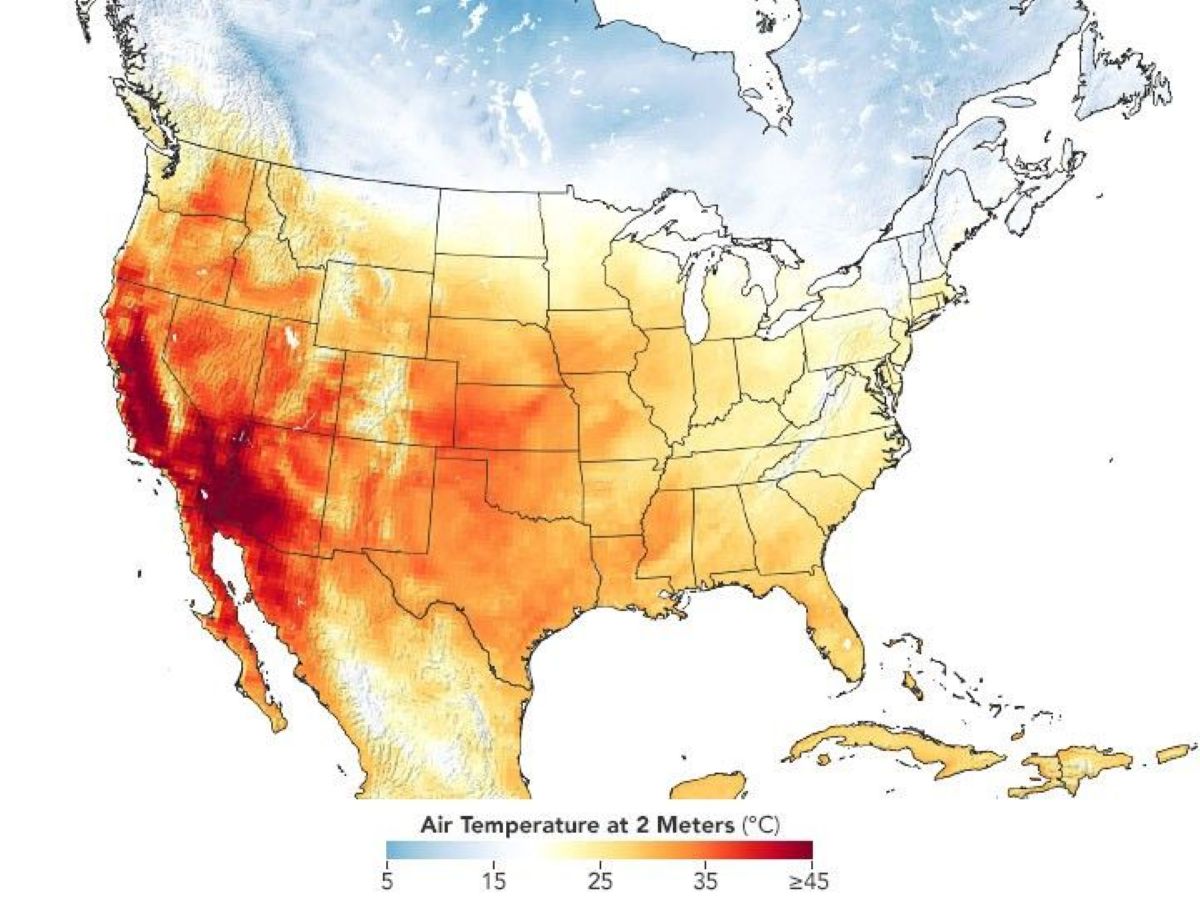
Southern California has entered an unusually intense October heat spell, prompting authorities to prepare for rising electricity demand across the region. The National Weather Service has issued an Extreme Heat Warning covering coastal and inland areas of Los Angeles and Ventura counties through Thursday. Temperatures could reach 105°F in valleys and 90°F along the coast, while parts of Orange County could approach 100°F inland. At the same time, California’s grid operator has restricted maintenance activity as demand rises with air-conditioning use. There is no forecast supply shortage currently. However, visitors should adjust outdoor plans, transport choices and accommodation preparations as the heat intensifies.
Southern California Enters A Critical Heat Stretch
The present heat episode matters to travellers because it arrives when Southern California would normally be entering a more comfortable autumn pattern. Instead, the National Weather Service is reporting exceptionally hot conditions across Los Angeles, Ventura and neighbouring areas.
Advertisement
Advertisement
The warning covers major visitor zones, including Downtown Los Angeles, Hollywood, Santa Monica, Malibu, Beverly Hills, Long Beach, Burbank, Pasadena and LAX. Coastal locations could reach around 90°F, while several inland valleys could climb to 105°F.
The warning also extends across Orange County. Coastal areas could see temperatures in the mid-80s to low 90s, while inland coastal communities could approach 100°F. Overnight temperatures could remain in the 70s, reducing the opportunity for visitors to recover from daytime heat.
Advertisement
Advertisement
That creates a different travel environment from the California image of mild beaches and comfortable autumn sightseeing. Travellers should treat the weather as a major itinerary factor, particularly when planning theme parks, walking tours, hiking, cycling, beaches and desert excursions.
Grid Pressure Adds A Second Travel Risk
The heat is also creating pressure on the electricity system because residents and businesses increasingly rely on air conditioning.
Advertisement
Advertisement
The California Independent System Operator has issued a Restricted Maintenance Operations notice from 10am to 10pm on Monday and Tuesday. The measure asks power suppliers to avoid actions that could reduce generator or transmission availability.
Importantly, Cal-ISO says it is not forecasting a supply shortfall at present. Instead, it is preparing for the possibility that demand could rise enough to require a Flex Alert.
A Flex Alert is a voluntary request for customers to reduce electricity use. More serious emergency stages can follow if the grid becomes significantly constrained.
For travellers, this distinction is crucial. The current warning does not mean tourists should cancel California trips because of an expected blackout. It means visitors should understand that extreme heat can increase the likelihood of temporary power disruptions.
Southern California Edison has similarly warned that extreme temperatures can increase electricity consumption and place additional strain on the system. The utility has urged customers to reduce electricity use during the late afternoon and evening peak.
For a hotel guest, the immediate concern may be limited to comfort. However, a prolonged outage could affect lifts, air conditioning, charging points, card-payment systems and other services.
Advertisement
Advertisement
What Travellers Should Expect Now
Visitors arriving in Los Angeles should not assume that every attraction or transport service will be disrupted. The more immediate issue is the quality and safety of outdoor travel during peak heat.
A sensible itinerary should place outdoor activities in the morning or later evening. Midday should favour museums, galleries, shopping districts, indoor attractions or hotel-based activities.
The same approach applies to road trips. A heavily air-conditioned rental car can remain comfortable, but visitors should not underestimate the heat outside the vehicle. Remote desert roads, mountain trails and exposed viewpoints create substantially greater risks.
Travellers should also reconsider long walking journeys. Los Angeles is often explored through neighbourhoods, beaches and entertainment districts, but extreme heat can turn apparently modest walks into strenuous exposure.
The National Weather Service specifically warns that heat-related illness rises significantly during extreme heat events. It recommends hydration, air-conditioned environments and avoiding prolonged exposure to direct sunlight.
| Traveller Activity | Heat Risk During Warning | Better Approach |
|---|---|---|
| Beach visit | High during afternoon | Go early morning or near sunset |
| Hollywood walking tour | High on exposed streets | Start early and use indoor stops |
| Theme parks | High with long queues | Prioritise mornings and shaded areas |
| Hiking | Very high inland | Postpone strenuous trails |
| Desert excursion | Extreme | Reconsider during warning period |
| Outdoor sports | High | Choose early morning or evening |
| Museum visits | Low | Ideal during peak afternoon heat |
| Shopping and indoor attractions | Low | Useful midday alternative |
Los Angeles Has Cooling Infrastructure
The heat does not leave visitors without options. Los Angeles County maintains an extensive network of public cooling resources that can become particularly useful during severe heat.
Advertisement
Advertisement
Ready LA County lists cooling centres with air conditioning, drinking water and accessible facilities. Some locations can operate as augmented cooling centres during extreme events.
The county also advises people to use public air-conditioned facilities, including shopping centres and cinemas, during excessive heat. Visitors can check local cooling options through the county’s heat resources.
This matters particularly for budget travellers. Visitors staying in accommodation without strong air conditioning should know where they can find a reliable cool indoor environment.
The county also maintains emergency information through 211. Travellers should save relevant local emergency contacts before setting out for day trips.
For visitors with pets, the same precautions apply. Never leave an animal inside a parked vehicle, even for a short period. Vehicle interiors can become dangerously hot within minutes.
California’s Energy System Has Changed Rapidly
The current warning should also be viewed against a much larger transformation of California’s electricity system.
Advertisement
Advertisement
California now has more than 21,000MW of battery storage capacity supporting its grid. The California Energy Commission reported in August that the state’s battery fleet had reached 21,112MW. Nearly 16,000MW came from utility-scale systems in California, while another 2,000MW came from facilities in Nevada and Arizona serving the CAISO system.
That capacity is particularly important during hot weather. Solar generation typically rises during daylight hours, while electricity demand can remain elevated into the evening as temperatures stay high.
Batteries can store surplus daytime solar power and release it later. This helps address one of California’s most important grid challenges: the gap between abundant daytime solar generation and stronger evening demand.
The numbers show how quickly the system has evolved. California had less than 700MW of battery storage serving the grid in 2019. By mid-2026, that figure had risen above 21,000MW.
California also reported that solar generation surpassed natural gas generation during the first half of 2026. Solar use increased 22% between the first half of 2024 and the same period in 2026, while natural gas use declined 51%.
For tourism, that transition has an indirect but important implication. A destination’s resilience increasingly depends on storage, transmission and demand management, not simply generation capacity.
Advertisement
Advertisement
California’s Energy Debate Matters To Tourism
The latest heat episode has also revived discussion about whether California should accelerate investment in generation and storage.
Mark Toney, executive director of The Utility Reform Network, argued on October 4 that the state should expand clean generation and storage. He highlighted community solar and storage as possible ways to strengthen supply while addressing affordability.
Toney also pointed to geothermal power as another potential resource because it can provide electricity around the clock. His comments followed Governor Gavin Newsom’s September 30 veto of AB 1813, a bill that would have established a customer renewable-energy subscription programme.
The policy debate has direct relevance to the travel industry. Hotels, airports, restaurants, attractions and convention facilities depend heavily on reliable electricity.
Large tourism properties also face intense cooling loads during heat events. Consequently, grid resilience has become part of destination resilience.
For travellers, the issue is therefore bigger than an electricity bill. Reliable power supports hotel cooling, digital payments, lifts, refrigeration, communications and transport infrastructure.
Advertisement
Advertisement
Phoenix And Las Vegas Face Similar Pressures
Southern California is not alone in confronting the travel consequences of extreme heat.
Phoenix recorded a 117°F high on July 24, 2026, breaking its previous record of 116°F. The National Weather Service also recorded several other exceptional temperatures during the summer.
August was similarly severe. Phoenix recorded an average maximum temperature of 109.4°F, 4.3°F above its 1991–2020 normal. The city recorded 31 days with maximum temperatures of at least 90°F.
Phoenix has responded with a more formal visitor-oriented heat strategy. Its 2026 Heat Response Plan contains 23 actions across eight strategies, including cooling infrastructure and public education.
Las Vegas has faced comparable conditions. A September National Weather Service warning forecast temperatures of 105°F to 110°F across the Las Vegas Valley, with substantially higher temperatures in Death Valley and the Colorado River Valley.
This comparison reveals an emerging US tourism pattern. Heat management is becoming part of destination management rather than an occasional emergency response.
Advertisement
Advertisement
| Destination | 2026 Heat Indicator | Traveller Implication |
|---|---|---|
| Los Angeles | Up to 105°F in valleys | Shift sightseeing away from afternoon |
| Orange County | Up to around 100°F inland | Beaches and outdoor activities need timing |
| Phoenix | 117°F July record | Strongly favour indoor and early-day plans |
| Las Vegas | Up to 105–110°F during warning | Limit exposed walking and daytime excursions |
| Death Valley region | Up to 112–116°F during September warning | Avoid strenuous outdoor activity |
| Imperial Valley | 117°F recorded in August | Treat summer and late-season desert travel cautiously |
The comparison is significant for tour operators and travel advisers. Extreme heat can affect multiple competing destinations simultaneously, making cooler coastal, mountain and higher-elevation alternatives more attractive.
Heat Is Changing The US Travel Calendar
California’s October heat also highlights a broader shift in how travellers should think about seasonality.
Traditionally, autumn has offered strong conditions for road trips, city breaks and outdoor tourism across much of the western United States. Increasingly, travellers may need to distinguish between calendar seasons and actual thermal conditions.
Visit California continues to describe the state as a year-round destination, but its own guidance notes major differences between coastal and inland climates. Coastal areas are generally milder, while inland regions can become considerably hotter.
That distinction is particularly useful now. A traveller may find Santa Monica substantially more manageable than an inland valley on the same day.
Tourism businesses can respond by promoting cool-cation alternatives, mountain destinations, coastal stays and indoor cultural experiences. Visit California itself has highlighted the growth of cool-cation travel in 2026, particularly among groups seeking cooler mountain and waterfront environments.
Advertisement
Advertisement
Practical Advice For Visitors
Travellers heading to Southern California during the warning should check the National Weather Service forecast before each day’s activities. Conditions can differ dramatically between the coast, valleys, mountains and desert.
The most practical strategy is to reserve the hottest hours for air-conditioned environments. Carry water when outdoors, use sun protection and avoid strenuous exercise during peak heat.
Visitors should also ask hotels about air-conditioning reliability and emergency procedures. Travellers using electric vehicles should consider charging earlier rather than waiting until evening demand rises.
Road-trippers should keep water in the vehicle and avoid assuming that a short desert journey is low risk. Remote areas offer fewer opportunities to escape the heat quickly.
Travel insurance policies should also be reviewed for interruption and emergency accommodation provisions. However, visitors should not interpret the current grid notice as evidence of widespread outages.
| Before Leaving Hotel | During Outdoor Travel | If Power Fails |
|---|---|---|
| Check NWS warnings | Carry water | Keep phones charged |
| Confirm air conditioning | Seek shade frequently | Contact hotel reception |
| Charge devices | Avoid peak heat | Preserve refrigerated items |
| Check transport updates | Wear light clothing | Follow local utility advice |
| Save emergency contacts | Reduce strenuous activity | Move to a cool public facility |
Plan Around Heat, Not Against It
The present episode does not make Southern California an off-limits destination. However, it does make California heatwave travel a planning issue rather than a simple weather consideration.
Advertisement
Advertisement
Visitors can still enjoy Los Angeles, Santa Monica, Malibu and Orange County. The difference lies in timing, preparation and flexibility. Morning sightseeing, indoor attractions and evening dining can replace strenuous afternoon itineraries.
The wider lesson extends beyond California. Phoenix and Las Vegas demonstrate how extreme heat increasingly shapes tourism infrastructure, public-health planning and visitor behaviour. For travellers, weather resilience is becoming part of destination resilience. Checking official warnings before departure can therefore be as important as checking flight schedules or hotel confirmations.
Advertisement
