
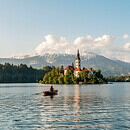
Image generated with Ai
UNESCO changes the travel landscape as new World Heritage sites bring fresh tourism opportunities. UNESCO now changes the travel landscape again because 25 new properties have joined the World Heritage List. As a result, new World Heritage sites bring fresh tourism opportunities for countries seeking stronger global visibility. Comoros, São Tomé and Príncipe and South Sudan gained their first inscriptions. Meanwhile, cultural, natural and mixed sites entered the list across several regions. Therefore, the travel landscape is expanding. UNESCO changes how travellers discover destinations, while new World Heritage sites bring fresh tourism opportunities through heritage, nature, culture and conservation-led travel.
Comoros, São Tomé and Príncipe and South Sudan entered the UNESCO World Heritage List for the first time during the Busan session.
These first inscriptions reduced the number of States Parties without a World Heritage property from 26 to 23. UNESCO said the milestone reflects its effort to make the World Heritage List more balanced and representative.
For travel and tourism, the recognition gives these countries greater international visibility while creating new responsibilities for site protection, visitor management and community participation.
Advertisement
Advertisement
The World Heritage Committee inscribed 25 new properties during the session.
Of these, 19 are cultural sites, five are natural sites and one is a mixed property. UNESCO also approved extensions to two existing World Heritage properties, including the Getbol, Korean Tidal Flats in the Republic of Korea.
The additions take the World Heritage List to 1,273 sites across 173 countries.
| Area | Official UNESCO Detail |
|---|---|
| New World Heritage sites | 25 |
| Cultural sites | 19 |
| Natural sites | 5 |
| Mixed sites | 1 |
| Total World Heritage sites | 1,273 |
| Countries represented | 173 |
| First-time countries | Comoros, São Tomé and Príncipe, South Sudan |
| Sites added to Danger List | 6 |
| States Parties without a site | 23 |
UNESCO also adopted the World Heritage Strategy for Small Island Developing States 2026–2034.
Advertisement
Advertisement
The strategy is backed by a budget of US$13 million and is designed to help Small Island Developing States identify, protect and manage World Heritage properties.
It places strong emphasis on climate change, resilience, sustainable development and local communities. This has direct relevance for island tourism because heritage sites can support destination identity, cultural tourism and conservation-led development.
The Beaches of the D-Day Landings, Normandy, 1944 were added to the World Heritage List as a site of memory.
The inscription recognises the Allied landings of 6 June 1944 and strengthens the international status of an already important remembrance tourism destination in France.
UNESCO has recognised sites of memory since 2023 as places connected with reconciliation, contemplation and peaceful reflection.
The Committee added six properties to the List of World Heritage in Danger.
Three were emergency inscriptions: Boma-Badingilo Migratory Landscape in South Sudan, Mount Amel Castles in Lebanon and Sebastia in the State of Palestine.
Historic Inner City of Paramaribo in Suriname, An Ancient City of Tauric Chersonese and its Chora in Ukraine, and Tyre in Lebanon were also added.
These sites can now receive stronger international support, including technical and financial assistance for conservation.
The Busan session shows that UNESCO recognition can create both tourism opportunities and conservation responsibilities.
New inscriptions can raise destination visibility, but UNESCO stresses that recognition must also lead to effective management, protection and benefits for local communities.
The next World Heritage Committee session will be held in Istanbul, Türkiye, in 2027.
UNESCO changes the travel landscape because new World Heritage recognition puts more destinations on the global tourism map. The cause is the addition of 25 new properties, including first-ever inscriptions for Comoros, São Tomé and Príncipe and South Sudan. These decisions create fresh tourism opportunities by increasing international visibility and encouraging heritage, cultural and nature travel. However, recognition also brings stronger responsibilities for conservation, visitor management and community protection. The answer is clear. New World Heritage sites can support tourism growth when destinations protect what makes them special. UNESCO recognition therefore creates opportunity, but sustainable management must remain central.
Advertisement
Tags: cultural tourism, Global Travel Destinations, Heritage tourism, sustainable tourism, UNESCO World Heritage sites
Advertisement
Advertisement











Wednesday, September 2, 2026

Tuesday, September 1, 2026

Wednesday, September 2, 2026

Wednesday, September 2, 2026

Tuesday, September 1, 2026

Tuesday, September 1, 2026

Wednesday, September 2, 2026

Wednesday, September 2, 2026



