
US Unites Canada and Various Destinations as New York’s Plaza Hotel Shuts Four Years, Impacting Travel

Published
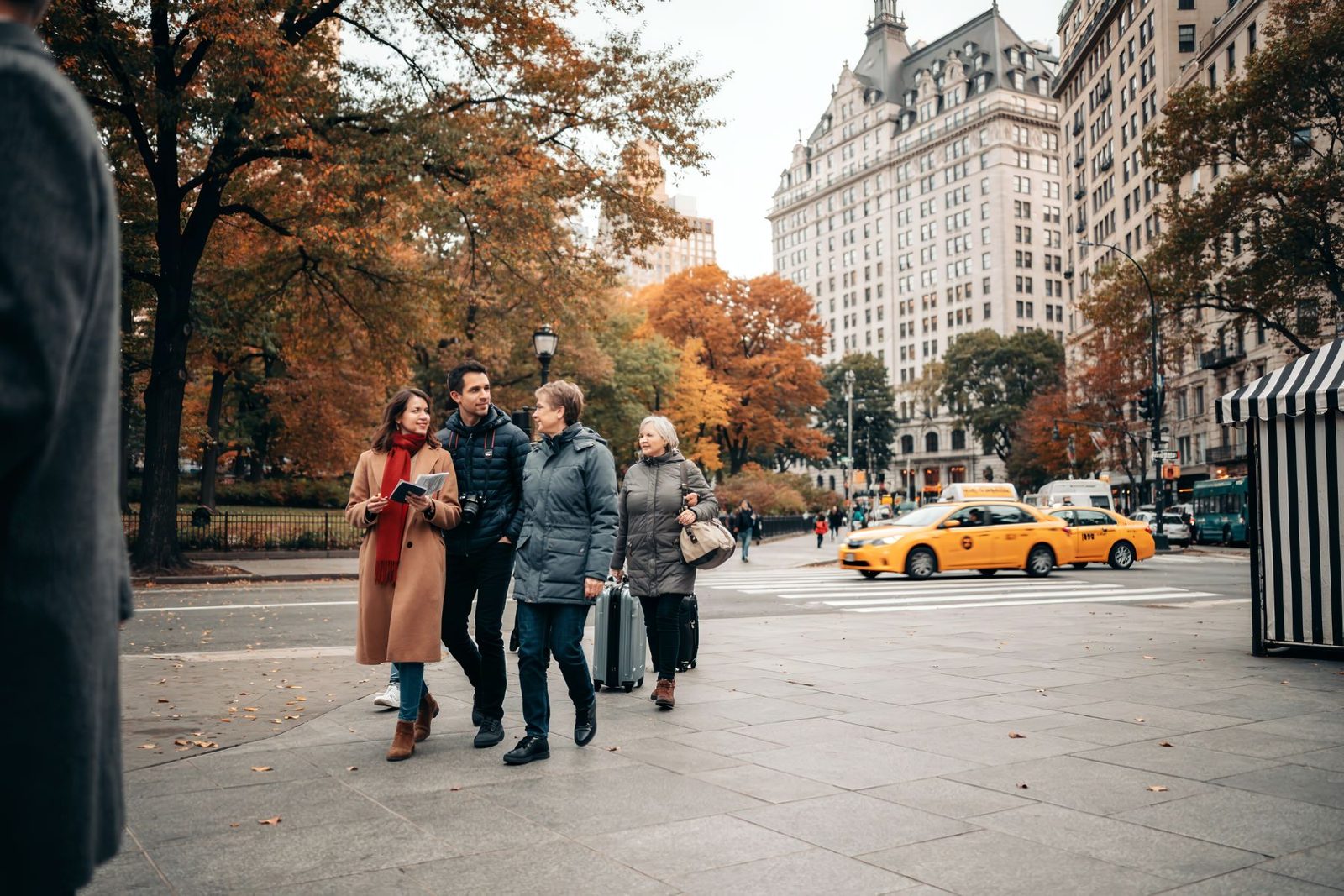
New York tourism faces a significant hospitality change as the US Unites Canada and Various Destinations around one of Manhattan’s best-known visitor landmarks. The New York Plaza Hotel shuts for four years from January 2027 as restoration work begins on its historic façade, potentially impacting travel plans built around luxury stays, heritage experiences and Fifth Avenue visits. For travellers from the US, Canada, Brazil, Mexico and other international destinations, the closure removes a recognisable accommodation and visitor experience from central Manhattan. However, New York’s wider hotel, cultural, shopping and attraction network will continue serving global tourism demand.
New York Tourism 2026 Sets the Context for the Plaza Hotel Closure
New York enters the Plaza closure period with one of the world’s largest urban visitor economies. New York City Tourism + Conventions forecasts 66.3 million visitors in 2026, representing a 2% increase over 2025. Domestic visitation is projected at 53.4 million, while international arrivals are forecast to reach 12.9 million. The official destination organisation expects growth across its 20 leading international markets. This matters because The Plaza’s shutdown will occur within a city already handling immense visitor volumes. The hotel closure removes one celebrated property, but it does not remove the broader tourism infrastructure supporting Manhattan and the five boroughs.
Advertisement
Advertisement
- New York City forecasts 66.3 million visitors in 2026.
- Domestic visitation is forecast at 53.4 million.
- International visitation is projected at 12.9 million.
- Business travel is forecast to reach 12.8 million visitors.
- The Plaza closure starts in January 2027, immediately after a major 2026 tourism year.
| New York tourism indicator | Current verified position |
|---|---|
| 2026 total visitor forecast | 66.3 million |
| Domestic visitors | 53.4 million |
| International visitors | 12.9 million |
| Business visitors | 12.8 million |
| Plaza closure | From January 2027 |
| Minimum closure period | Four years |
Plaza Hotel Closure Removes a Historic Manhattan Experience From Visitor Itineraries
The Plaza Hotel confirmed on 14 October 2026 that it plans to close for at least four years beginning in January 2027. The work focuses on repair and restoration of its landmark-protected façade. The project requires detailed preservation planning because of the building’s architectural significance and the scale of disruption expected during construction. Opened in 1907, The Plaza occupies a prominent position at Fifth Avenue and Central Park South. The National Park Service lists the property as a National Historic Landmark, with designation dating from 24 June 1986. Its temporary disappearance therefore affects heritage tourism as well as luxury accommodation.
- The closure begins in January 2027.
- The announced closure period is at least four years.
- Restoration will concentrate on the landmark-protected façade.
- The property opened in 1907.
- The Plaza is officially recognised as a U.S. National Historic Landmark.
| Plaza Hotel fact | Verified information |
|---|---|
| Location | Fifth Avenue at Central Park South |
| Opening year | 1907 |
| Restoration begins | January 2027 |
| Announced shutdown | At least four years |
| Heritage recognition | U.S. National Historic Landmark |
| Main project focus | Historic façade restoration |
US Travellers Will Still Find Manhattan’s Major Tourism Network Within Reach
Domestic visitors form the overwhelming majority of New York City’s tourism market, making US travellers particularly important during and after The Plaza shutdown. Travellers who previously selected The Plaza for its Central Park and Fifth Avenue position will have to choose alternative accommodation, but the surrounding visitor geography remains unchanged. Central Park, Midtown museums, Fifth Avenue shopping, Broadway, Rockefeller Center and other Manhattan districts remain central components of a New York itinerary. With domestic visitation forecast to exceed 53 million in 2026, the city’s tourism demand extends far beyond one property. The closure therefore changes accommodation choices rather than access to New York itself.
Advertisement
Advertisement
- US residents remain New York City’s dominant visitor base.
- The Plaza closure primarily changes hotel and hospitality choices.
- Central Park remains directly beside the Plaza location.
- Midtown and Fifth Avenue remain major visitor zones.
- Domestic demand provides New York with a broad tourism foundation.
| US traveller consideration | Effect of Plaza closure |
|---|---|
| Manhattan access | Unchanged |
| Plaza overnight stays | Unavailable during closure |
| Central Park visits | Remain available |
| Fifth Avenue visits | Remain available |
| Wider NYC hotel choice | Remains extensive |
Canada Travellers Can Continue Building New York Trips Around Culture, Shopping and City Experiences
Canada remains especially important to New York’s international visitor economy. New York City Tourism + Conventions identifies Canada as the city’s second-largest international market and forecast approximately 820,000 Canadian visitors for 2026. Canadian travellers affected by The Plaza shutdown can still organise trips around Broadway, Manhattan shopping, museums, Central Park, seasonal celebrations and neighbourhood experiences across the five boroughs. The practical difference from 2027 will be the absence of The Plaza as a place to stay or incorporate into a luxury Manhattan itinerary. New York’s tourism proposition, however, remains much broader than an individual hotel, giving Canadian travellers substantial alternatives.
- Canada is New York City’s second-largest international source market.
- Canadian demand remains strategically important to city tourism.
- Cultural attractions remain available throughout the closure.
- Shopping and entertainment itineraries remain largely unaffected.
- Travellers seeking landmark luxury accommodation will need alternatives.
| Canadian visitor interest | Availability during Plaza closure |
|---|---|
| Broadway | Available |
| Central Park | Available |
| Fifth Avenue shopping | Available |
| Museums | Available |
| Plaza accommodation | Unavailable |
| Wider Manhattan hotels | Available |
Brazil Travellers Can Shift Luxury and Cultural Trips Beyond a Single Landmark Hotel
Brazil continues to rank among the United States’ most important overseas tourism markets. U.S. National Travel and Tourism Office data show Brazil among the leading overseas sources of American visitors in 2026. In the first quarter of 2026, it was the second-largest overseas source market for the United States, behind the United Kingdom, although these figures apply nationally rather than specifically to New York City. Brazilian travellers considering New York can continue to combine luxury shopping, arts, entertainment, restaurants, neighbourhood exploration and Manhattan sightseeing. The Plaza closure removes one prestigious hospitality experience, but it does not restrict access to New York’s wider tourism offering.
Advertisement
Advertisement
- Brazil remains a leading overseas market for US tourism.
- National visitor data should not be treated as New York-specific arrivals.
- Manhattan continues to support luxury and cultural travel.
- Shopping and entertainment remain important itinerary options.
- The Plaza shutdown requires accommodation substitution rather than destination substitution.
| Brazilian traveller focus | Travel position |
|---|---|
| New York access | Continues |
| Luxury shopping | Continues |
| Cultural tourism | Continues |
| Restaurant tourism | Continues |
| Plaza stay | Suspended during restoration |
Mexico Travellers Retain Strong Access to New York’s Wider Visitor Economy
Mexico forms one of the two largest international tourism markets for the United States alongside Canada. The National Travel and Tourism Office reported 1.7 million Mexican arrivals to the United States in July 2026, making Mexico the country’s largest inbound market that month. These are nationwide figures and should not be presented as New York City arrivals. Nevertheless, they demonstrate Mexico’s importance within American tourism. Mexican travellers heading to New York after January 2027 can still experience Midtown Manhattan, Central Park, museums, Broadway, shopping, restaurants and other neighbourhoods. The main change is the temporary removal of The Plaza from accommodation and landmark-hospitality itineraries.
- Mexico is one of America’s largest international source markets.
- July 2026 data placed Mexico first nationally for international arrivals.
- The figure represents US arrivals, not New York-only visitation.
- New York’s wider tourism infrastructure remains operational.
- Plaza-focused itineraries will require adjustment after January 2027.
| Mexico travel consideration | Outlook |
|---|---|
| US tourism importance | Very high |
| New York city breaks | Continue |
| Manhattan attractions | Continue |
| Plaza accommodation | Temporarily unavailable |
| Alternative hotels | Required for Plaza guests |
International Arrivals Highlight Why New York Remains Exposed to Global Travel Trends
International tourism remains important to New York because overseas visitors support hotels, restaurants, retail, entertainment and cultural institutions. National Travel and Tourism Office research for the first quarter of 2026 recorded 9.6 million international air visitors to the United States, including 6.5 million overseas travellers, 2.4 million Canadians and 756,000 Mexican visitors. New York City was the most visited US city among international air travellers surveyed during that period, with approximately 1.6 million visits recorded. The city’s position within international travel means changes affecting famous properties such as The Plaza can attract attention far beyond the American domestic tourism market.
- International air visitation remains substantial.
- Canada and Mexico form important parts of US inbound tourism.
- New York City led US cities among surveyed international air visitors in Q1 2026.
- Overseas demand supports multiple visitor-economy sectors.
- Landmark hotel changes can influence international trip planning.
| Q1 2026 US international air tourism | Visitors |
|---|---|
| Total international air visitors | 9.6 million |
| Overseas visitors | 6.5 million |
| Canada | 2.4 million |
| Mexico | 756,000 |
| International-air visitors reporting NYC | About 1.6 million |
New York’s Hotel Market Gives Travellers Alternatives During The Plaza Restoration
The Plaza’s disappearance from bookings does not leave New York without hotel capacity. New York City Tourism + Conventions reported approximately 124,000 hotel rooms across the five boroughs in 2025, while 24 hotel projects representing 5,778 rooms were in active development through 2028 when its 2026 annual report was published. Hotel occupancy averaged 82.2% in the luxury category during 2025, while overall demand reached 38.1 million room nights. These figures indicate both the scale and competitiveness of New York’s accommodation market. Travellers who would otherwise have stayed at The Plaza will therefore enter a sizeable alternative hotel market during the restoration period.
- New York had approximately 124,000 hotel rooms in 2025.
- Additional hotel projects remain under development.
- Luxury hotels recorded strong occupancy.
- Alternative accommodation exists across multiple boroughs.
- Travellers should compare location, access and booking conditions when replacing a Plaza stay.
| Hotel-market measure | Latest reported figure |
|---|---|
| NYC hotel rooms in 2025 | Approx. 124,000 |
| Active projects through 2028 | 24 |
| Rooms represented by projects | 5,778 |
| Luxury occupancy in 2025 | 82.2% |
| Room nights sold in 2025 | 38.1 million |
Central Park and Fifth Avenue Keep the Plaza District Relevant to Tourists
The physical location of The Plaza helps explain why its restoration has wider tourism significance. The hotel stands where Fifth Avenue meets Central Park South, positioning it beside one of New York’s defining public spaces and within easy reach of Midtown attractions. Even while hotel operations are suspended, the surrounding district will continue receiving visitors. Central Park alone covers more than 800 acres and remains a major recreational and sightseeing destination. The Plaza’s restoration therefore changes the appearance and hospitality function of an important tourism corner but does not close the wider district. Travellers can continue exploring Central Park and surrounding Manhattan attractions throughout the project.
- The Plaza occupies Fifth Avenue and Central Park South.
- Central Park remains open independently of hotel operations.
- Midtown tourism does not depend on a single property.
- The district combines parks, culture, shopping and hospitality.
- Construction conditions may alter the immediate visitor experience near the hotel.
| Nearby tourism component | Plaza closure effect |
|---|---|
| Central Park | Remains accessible |
| Fifth Avenue | Remains accessible |
| Midtown attractions | Continue operating |
| Plaza heritage exterior | Under restoration |
| Plaza hotel experience | Suspended |
The Plaza’s Heritage Status Explains Why the Restoration Requires a Long Closure
The four-year minimum timetable reflects the heritage significance of the building rather than an ordinary cosmetic refurbishment. New York City’s Landmarks Preservation Commission designated the Plaza exterior as a landmark in 1969, while important interior spaces later received landmark protection. Federal records also identify the hotel as a National Historic Landmark. Its French Renaissance-inspired architecture, prominent location and early twentieth-century design make restoration more complex than work on a standard contemporary hotel. The Plaza states that preservation requirements, long-term building care, safety considerations and operational disruption are integral to the project. As a result, travellers should treat the announced four years as a minimum rather than a guaranteed reopening timetable.
- The exterior has New York City landmark protection.
- The hotel has federal National Historic Landmark recognition.
- Important interiors also possess landmark status.
- Restoration must account for historic-preservation requirements.
- No precise reopening date has been confirmed.
| Heritage element | Status |
|---|---|
| Plaza exterior | NYC landmark |
| National recognition | National Historic Landmark |
| Historic public interiors | Landmark protected |
| Opening date | 1907 |
| Reopening date | Not yet confirmed |
Travel and Tourism Impact: What the Four-Year Plaza Shutdown Really Means
The most direct tourism effect will be concentrated on travellers specifically intending to stay, dine, attend functions or build a heritage-hotel experience around The Plaza. New York itself remains fully open, and its huge visitor economy gives tourists extensive alternatives. However, a landmark that has operated as both a hotel and cultural attraction will disappear from normal visitor use for several years. That may redistribute luxury room demand, event bookings and visitor spending towards other Manhattan properties. The precise commercial impact cannot yet be quantified because no official projection has been released. Any claim that the closure will materially reduce total New York visitor numbers would therefore be speculative.
- The immediate impact concerns Plaza-specific travel plans.
- New York tourism infrastructure continues operating.
- Alternative luxury hotels may absorb displaced demand.
- Event and hospitality bookings will require alternative venues.
- No credible official estimate currently quantifies citywide visitor losses caused by the closure.
| Tourism segment | Likely direct effect |
|---|---|
| Plaza guests | Must select alternatives |
| Heritage-hotel visitors | Plaza experience temporarily unavailable |
| Luxury accommodation | Demand redistributed |
| Events | Alternative venues required |
| Overall NYC attractions | Continue operating |
| Total NYC visitation | No verified Plaza-specific impact forecast |
Conclusion
The US Unites Canada and Various Destinations through a New York tourism market built on far more than a single address. As the New York Plaza Hotel shuts for four years, travellers will lose temporary access to one of Manhattan’s most recognisable hospitality landmarks, directly impacting travel plans centred on the property. Visitors from the US, Canada, Brazil, Mexico and other destinations will nevertheless retain extensive accommodation, cultural, entertainment, shopping and sightseeing choices throughout New York. The restoration represents a significant change for heritage hospitality, but not a closure of the destination itself. Future reopening details should be treated as unconfirmed until officially announced.
Advertisement
