
Türkiye Tourism Faces New AI Visibility Challenge As ChatGPT And Google AI Shape Future Travel Decisions

Published
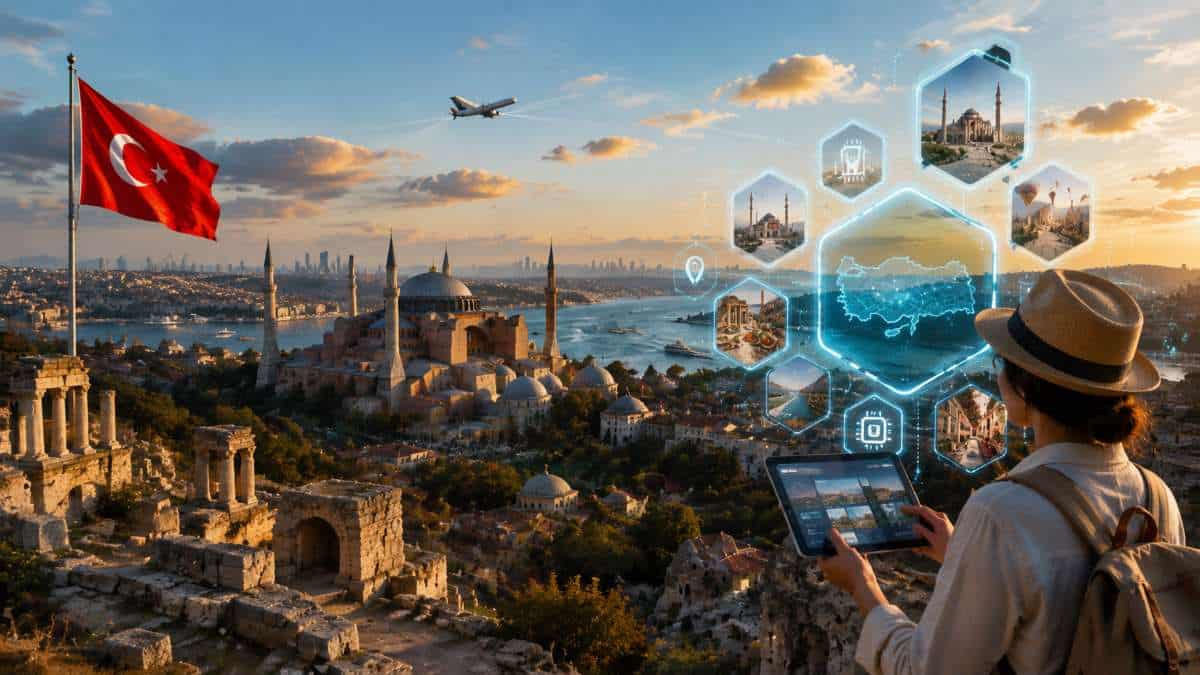
Image generated with Ai
Türkiye’s tourism sector is dealing with a new digital dilemma because of the impact of AI-based tools like ChatGPT and Google AI on how people find places to visit as the appeal of Istanbul, Antalya, Cappadocia and the other high demand sites grows. The challenge has appeared as travel planning with AI is becoming major inspirational and decision-making tool for international travel, leading to a new global competition for digital visibility among destinations. While Türkiye is one of the top tourism markets, it is expected that the strong demand for travel to Türkiye will not guarantee priority placement for Türkiye in AI travel suggestions.
AI Is Creating A New Battlefield For Global Tourism Destinations
The travel industry is entering a new digital era where artificial intelligence is changing how tourists search for holidays, experiences and destinations. Traditional search engine rankings are no longer the only factor determining visibility. Travellers are increasingly using AI assistants to ask direct questions about where to travel, what places to visit and which destinations offer the best experiences.
For tourism boards and businesses, appearing in AI-generated answers has become increasingly important. AI platforms analyse huge volumes of digital information, including websites, reviews, travel content and online references, before generating recommendations. Destinations with stronger and clearer digital information may receive greater visibility, while destinations with weaker online signals may struggle to appear despite having world-class attractions.
Türkiye Remains A Tourism Powerhouse But Digital Competition Is Rising
Türkiye continues to hold a powerful position in global tourism. The country offers a combination of ancient heritage, Mediterranean beaches, cultural experiences, gastronomy and luxury hospitality that attracts travellers from across the world. Istanbul remains a major international city break destination with attractions including historic landmarks, the Bosphorus coastline and Ottoman heritage sites. Antalya continues to dominate Mediterranean leisure tourism with its extensive resort network, beaches and luxury accommodation. Cappadocia maintains worldwide recognition through its unique landscapes, cave hotels and hot air balloon experiences.
Advertisement
Advertisement
However, the rise of AI-driven travel planning means destinations must now compete beyond physical attractions. A destination’s digital footprint, online authority and the quality of available information can influence whether artificial intelligence systems recommend it to potential visitors.
Advertisement
Advertisement
Why AI Visibility Matters For Türkiye’s Tourism Growth
AI recommendations could become one of the strongest influences on future travel behaviour. Instead of searching through dozens of websites, travellers can now receive personalised suggestions from AI assistants within seconds. A visitor planning a Mediterranean holiday may ask an AI platform for the best destinations, family-friendly locations, cultural experiences or luxury resorts. The destinations that appear in these responses gain an advantage during the earliest stage of travel decision-making.
This creates a new challenge for tourism markets. A country can have millions of annual visitors, strong tourism infrastructure and globally recognised attractions, but still lose digital opportunities if AI systems do not properly understand and highlight its offerings. Research into AI-powered travel search shows that artificial intelligence is becoming increasingly important in travel discovery, with AI-generated results influencing how brands and destinations reach potential customers.
Traditional SEO Is Expanding Into Generative Engine Optimisation
Tourism organisations are now adapting to a new digital approach known as Generative Engine Optimisation (GEO). Unlike traditional search engine optimisation, which focuses on ranking webpages on search engines, GEO focuses on improving the chances of being selected and recommended by AI systems.
For Türkiye, this means tourism authorities, hotels, attractions and local businesses may need to strengthen their digital strategies through:
- More detailed official tourism information
- Multilingual destination content
- Accurate attraction descriptions
- Structured travel data
- Strong international digital references
- Updated information about experiences and services
AI systems rely on available online information to understand destinations. Clear, reliable and well-organised content can help improve how destinations are represented in AI-generated travel suggestions.
Advertisement
Advertisement
Istanbul, Antalya And Cappadocia Need Stronger AI Recognition
Türkiye’s leading tourism destinations have significant global appeal, but each destination faces different digital opportunities. Istanbul has one of the strongest tourism identities in the world due to its history, architecture, food culture and unique position between Europe and Asia. Strengthening AI visibility could help promote more detailed experiences beyond famous landmarks, including neighbourhood tourism, cultural routes and culinary journeys.
Antalya has become a leading Mediterranean holiday destination, attracting visitors through beach resorts, golf tourism, luxury hotels and outdoor activities. Better AI representation could help highlight its year-round tourism potential. Cappadocia already benefits from strong global recognition because of its distinctive landscapes and balloon experiences. However, continued digital development can help promote wider experiences such as hiking routes, heritage sites and local culture.
Global Tourism Industry Is Preparing For The AI Era
Türkiye’s challenge reflects a wider transformation across international tourism. Countries, airlines, hotels and travel companies are increasingly focusing on AI visibility as travellers change the way they plan trips. Major travel businesses are already investing in AI-based tools and strategies to remain visible as digital discovery changes. Tourism companies are exploring ways to ensure their products appear in AI recommendations alongside traditional marketing channels. The shift means tourism competition is moving from simply attracting visitors through advertising campaigns to becoming part of AI-powered conversations.
Türkiye’s Next Tourism Opportunity Lies In Digital Transformation
Türkiye has considerable assets in tourism, with its heritage, nature, hospitality, and recognition. The emerging AI challenge does not diminish Türkiye’s strength in tourism, but rather indicates the changing nature of marketing global tourism.
In the future, more travel inspiration and planning will depend on AI. Travel destinations that offer clear, authoritative, and accessible digital information may have an advantage. For Türkiye, having better AI visibility may be an essential element in ensuring that the existing global tourism demand continues to ensure tourism growth. The next competitive race in tourism will be not only at airports, hotels, and tourist attractions, but also in the digital intelligence systems that direct travelers to their subsequent destinations.
Advertisement
