
Netherlands Aligns With Norway And More To Expand Cruise Travel Across Western Europe

Published
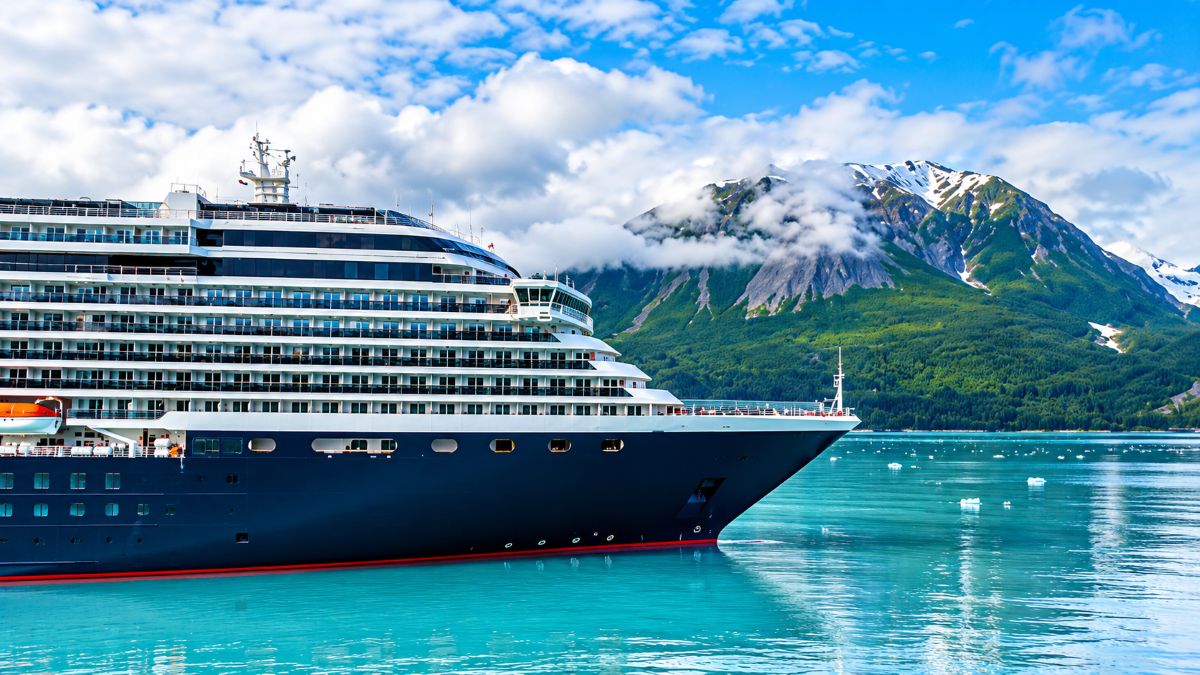
The Netherlands has formally set the pace for transatlantic maritime tourism as luxury maritime operators unveil extended Northern European voyages connecting key regional hubs. Dutch departure infrastructure out of Amsterdam provides travellers with comprehensive access to scenic coastal territories, establishing seamless international connectivity across the North Sea and the Atlantic Ocean. Holland America Line has scheduled its premium vessel Zuiderdam for an extensive twenty-one-night voyage that sets sail on 10 June 2028, uniting mainland Europe with the dramatic archipelagos of the Nordic regions and the British Isles.
This development reinforces European cruise connectivity by combining classic Scandinavian fjord journeys with an extensive circumnavigation of Irish and British ports. Regional tourism authorities across northern territories are experiencing rising interest in unhurried, multi-week itineraries that minimize logistical air transfers while maximising overland exploration time. By positioning Amsterdam as the central maritime gateway, the travel sector highlights how interconnected international cruise networks can drive sustainable seasonal arrivals, distribute high-spending travellers into remote port communities, and bolster sustainable long-distance travel across Northwest Europe.
Advertisement
Advertisement
Strategic Hub Connections in Amsterdam
Amsterdam stands as a premier homeport for international cruise operations, offering deep-water passenger berths and streamlined transportation transfers via Amsterdam Airport Schiphol. The Port of Amsterdam features state-of-the-art terminal facilities capable of handling contemporary premium vessels with minimal embarkation friction. Passengers embarking on extended ocean voyages benefit from world-class urban transit links that bridge international flight arrivals directly to departure quaysides.
The strategic geographical location of the Dutch capital enables maritime cruise liners to chart efficient itineraries northward into the Norwegian Sea before swinging west towards the Celtic Sea. Local port authorities continually upgrade terminal efficiency to accommodate long-distance voyages while managing visitor flows responsibly within the historic canal ring. By serving as both the initial departure gate and the concluding terminal, Amsterdam creates a unified regional travel loop that underpins the operational viability of long-duration European cruise programmes.
Advertisement
Advertisement
Fjordland Routes and Maritime Exploration Across Norway
The opening leg of the Zuiderdam deployment traverses deep into Norway’s western coastal inlets, delivering passengers to historic maritime ports including Nordfjordeid, Alesund, Trondheim, Skjolden, Eidfjord, and Bergen. Norwegian maritime authorities have established strict environmental and navigational criteria to protect fragile glacial ecosystems, ensuring cruise liners comply with national safety and conservation standards. In Nordfjordeid and Skjolden, guests explore secluded waters flanked by vertical cliffs, contrasting with the vibrant commercial heritage of Bergen’s UNESCO-listed Bryggen quarter.
Alesund provides architectural insight through its Art Nouveau streetscapes, rebuilt following the catastrophic fire of 1904, while Trondheim showcases medieval ecclesiastical architecture at Nidaros Cathedral. Navigation across the Norwegian coastal channels requires precise maritime coordination, drawing on seasoned ice and fjord piloting expertise. The deployment of premium vessels across these high-latitude waterways strengthens local supply chains, supports rural heritage centres, and exposes global cruise travellers to authentic Scandinavian customs without placing undue strain on local terrestrial transport networks.
Advertisement
Advertisement
Coastal Call Schedule and Port Itinerary
| Day | Port Location | Region | Travel Significance |
|---|---|---|---|
| 1 | Amsterdam | Netherlands | Central turn-around embarkation port with international transit connections |
| 3 | Nordfjordeid | Norway | Gateway to inland glacial landscapes and Viking heritage exhibits |
| 4 | Alesund | Norway | Renowned Art Nouveau architecture and panoramic coastal viewpoints |
| 5 | Trondheim | Norway | Historic royal capital featuring gothic ecclesiastical landmarks |
| 7 | Skjolden | Norway | Innermost port of the dramatic Lustrafjorden fjord system |
| 8 | Eidfjord | Norway | Access point to Hardangervidda mountain plateau and scenic waterfalls |
| 9 | Bergen | Norway | World Heritage trading wharf and premier western commercial hub |
| 11 | Amsterdam | Netherlands | Mid-voyage port call supporting resupply and short-stay transfers |
| 13 | Stornoway | Scotland, UK | Outer Hebridean cultural centre noted for Gaelic traditions and textiles |
| 14 | Belfast | Northern Ireland, UK | Industrial shipbuilding heritage and access to Antrim coastal sights |
| 15 | Dun Laoghaire | Dublin, Ireland | Coastal gateway to the historic Irish capital and cultural institutions |
| 16 | Greencastle | Londonderry, Ireland | Inishowen Peninsula access offering rugged Atlantic coastal vistas |
| 17 | Killybegs | Donegal, Ireland | Deep-water fishing harbour positioned beside premier sea cliffs |
| 18 | Galway | Ireland | Renowned arts capital providing access to western Atlantic landscapes |
| 19 | Cobh | Cork, Ireland | Historic transatlantic passenger terminal with strong maritime heritage |
| 20 | Plymouth | England, UK | Deep natural harbour famous for historic maritime departures |
| 22 | Amsterdam | Netherlands | Final disembarkation quayside completing the twenty-one-night loop |
Celtic Sea Navigation and British Isles Itineraries
Following a mid-voyage provisioning return to Amsterdam, the vessel charts a westward course across the North Sea to navigate the islands of the United Kingdom and Ireland. The maritime circuit visits Stornoway on the Isle of Lewis, introducing travellers to the Gaelic heritage and remote landscapes of the Outer Hebrides. Sailing south through the Irish Sea, calls at Belfast and Dun Laoghaire connect ocean travellers directly to the cultural attractions of Northern Ireland and the Republic of Ireland.
Subsequent navigation along Ireland’s rugged Wild Atlantic Way incorporates intermediate anchorages at Greencastle, Killybegs, Galway, and Cobh in County Cork. These destinations provide crucial commercial revenue to independent regional tour operators, artisanal craft workshops, and local hospitality vendors. Crossing the Celtic Sea towards the south coast of England, the voyage features an arrival in Plymouth, celebrated for its sheltered natural sound and oceanic seafaring traditions, before final sea trials lead back to Dutch waters.
Operational Logistics and Vessel Hospitality Economics
Managing a twenty-one-night voyage across multiple sovereign customs territories demands meticulous administrative alignment between port agencies, vessel operators, and international maritime safety regulators. The Holland America Line Zuiderdam provides premium onboard hospitality across interior, ocean-view, verandah, and suite stateroom categories, generating substantial passenger spending across duty-free retail, shore excursions, and specialised culinary services. Passenger pricing reflects the extended duration and high-touch service standards characteristic of long-range ocean passages.
Vessel provisioning is distributed across major turnaround ports, ensuring fresh regional foodstuffs are loaded in both Amsterdam and secondary ports of call. Maritime logistics teams coordinate municipal garbage disposal, shore-power integration where available, and marine fuel bunkering to satisfy contemporary emissions regulations across the European Union and the United Kingdom. These coordinated operational measures ensure that lengthy international itineraries remain economically viable while preserving the marine environments through which luxury liners navigate.
Frequently Asked Questions
What is the sailing date for the Zuiderdam Northern European voyage?
The twenty-one-night cruise departs from the Port of Amsterdam on 10 June 2028 and concludes at the same port on 1 July 2028.
Advertisement
Advertisement
Which cruise line operates this extended European itinerary?
The voyage is operated by Holland America Line aboard its premium cruise vessel Zuiderdam.
What countries are visited during this twenty-one-night journey?
The itinerary calls at ports across the Netherlands, Norway, the United Kingdom, and the Republic of Ireland.
Does the cruise make a mid-voyage stop in Amsterdam?
The ship returns to Amsterdam on Day 11 of the voyage for a scheduled port call before continuing towards the British Isles.
Advertisement
Advertisement
What Scottish destination is featured on the sailing schedule?
The cruise visits Stornoway on the Isle of Lewis in Scotland on Day 13 of the voyage.
Which Irish ports are included along the Wild Atlantic Way?
The route visits Dun Laoghaire near Dublin, Greencastle near Londonderry, Killybegs in Donegal, Galway, and Cobh in County Cork.
What stateroom categories are offered aboard the vessel?
Accommodation options include interior cabins, ocean-view staterooms, verandah balcony staterooms, and premium suites.
Advertisement
Advertisement
Where does the vessel dock in England before returning to the Netherlands?
The cruise makes a scheduled port call in Plymouth along the southern coast of England on Day 20.
How many total nights does the entire round-trip cruise span?
The complete round-trip voyage spans twenty-one nights of travel beginning and ending in Amsterdam.
Are shore excursions available at remote ports like Skjolden and Nordfjordeid?
Local port excursions are operated in both destinations, providing passenger access to Norwegian glacial lakes, mountain plateaus, and cultural landmarks.
Advertisement
