
Philippines Tightens Travel and Security Measures Across Metro Manila as Undas 2026 and ASEAN Summit Approach

Published
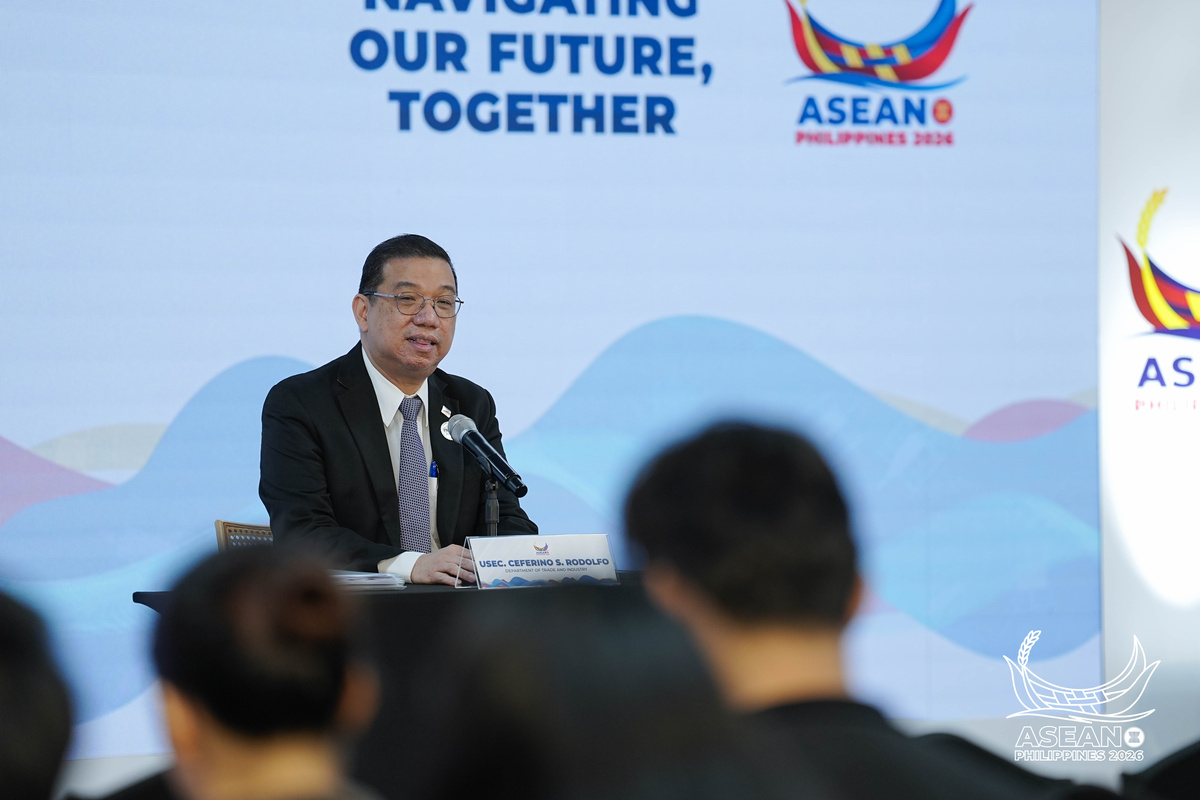
The Philippines is introducing extensive traffic management and security arrangements across Metro Manila from 24 October 2026 as the Metropolitan Manila Development Authority (MMDA), national agencies and local governments prepare for two major events: Oplan Undas 2026 and the 49th ASEAN Summit. Manila, Pasay, Parañaque, Makati and Taguig will face temporary public-event permit suspensions, while security restrictions will affect major convention venues. Authorities will also deploy 2,419 personnel around important cemeteries, strengthen commuter safety inspections and suspend road excavation works until 23 December. The measures aim to protect residents and visitors, keep transport services moving and manage the pressure created by domestic holiday journeys and international diplomatic activities.
Philippines Faces a Major November Travel Challenge as Two Important Events Approach
Metro Manila is preparing for an unusual combination of travel demands. The annual Undas observance will draw families to cemeteries and provincial destinations, while the 49th Association of Southeast Asian Nations (ASEAN) Summit will bring senior officials, foreign delegates and business representatives to the capital. All Saints’ Day falls on 1 November, followed by All Souls’ Day on 2 November. These occasions form an important part of Filipino family and religious traditions. People travel to remember deceased relatives, visit burial grounds and reunite with family members.
Advertisement
Advertisement
The ASEAN Summit creates a different requirement. Diplomatic convoys, secured conference venues, official meetings and international visitor movements require careful coordination. The government is preparing for approximately 20 heads of state and government, alongside thousands of delegates and business leaders. The National Organizing Council reported on 20 October that most summit preparations were already complete. For the travel industry, the combined preparations mean that ground transport planning will become particularly important between late October and November.
Manila, Pasay, Parañaque, Makati and Taguig Face Public Event Restrictions Until 20 November
One of the most significant measures is the temporary suspension of permits for selected public gatherings across five major Metro Manila cities. The restrictions will operate from 24 October to 20 November 2026 and cover fun runs, motorcades, processions and similar public activities requiring permits. The affected cities are Manila, Pasay, Parañaque, Makati and Taguig. These locations contain important commercial centres, hotels, cultural attractions, conference facilities and transport corridors. Authorities are seeking to limit additional road pressure while security arrangements for the ASEAN Summit are implemented.
Advertisement
Advertisement
For visitors, the restrictions do not amount to a citywide tourism shutdown. Ordinary hotel stays, sightseeing and commercial activities are not automatically prohibited by the announcement. However, access to particular roads or locations may be affected by separately announced traffic or security measures. The government’s announcement therefore has a direct bearing on event planning and ground transport logistics rather than introducing new immigration or passport requirements.
Key Dates and Restrictions for Travellers in Metro Manila
The following schedule summarises the officially announced measures and their potential implications for visitors, commuters and tourism businesses.
Advertisement
Advertisement
| Date or period | Government measure | Locations or operations affected | Travel implications |
|---|---|---|---|
| 24 October–3 November | Oplan Undas traffic and safety deployment | Major cemeteries across Metro Manila | Increased traffic management and possible diversions |
| 24 October–20 November | Suspension of selected public event permits | Manila, Pasay, Parañaque, Makati and Taguig | Organised outdoor events may require revised plans |
| From 24 October | Partial security restrictions | PICC and CCP Complex | Access controls around summit venues |
| 25 October–3 November | Cemetery cleanup operations | Major cemetery surroundings | Clearing and sanitation activities |
| From 26 October | Increased maritime safety monitoring | Selected ports and maritime operations nationwide | Additional safety inspections |
| 29 October–3 November | Nationwide maritime Undas enforcement | Passenger vessel operations | More intensive vessel and passenger safety checks |
| 1–2 November | All Saints’ Day and All Souls’ Day | Cemeteries and provincial travel corridors | Increased holiday travel demand |
| From 7 November | Full security lockdown | PICC and CCP Complex | Restricted entry to designated venue areas |
| 1 November–23 December, midnight | Road excavation moratorium | Metro Manila | Reduced planned excavation-related disruption |
Sources: MMDA announcements reported by the Philippine News Agency on 21 October 2026 and the Maritime Industry Authority announcement on 22 October 2026.
Massive Undas Deployment Brings 2,419 Personnel, Emergency Vehicles and Traffic Controls to Major Cemeteries
The MMDA has confirmed a deployment of 2,419 personnel for Oplan Undas 2026, covering 24 October to 3 November. Their responsibilities include managing traffic, assisting cemetery visitors, implementing diversions and supporting emergency operations.
The deployment will focus on five important cemetery locations:
- Manila North Cemetery: One of the capital’s major burial grounds and an important destination for families observing Undas.
- Manila South Cemetery: Another major location where cemetery visitors and nearby road traffic will require management.
- Loyola Memorial Park, Marikina City: A significant memorial destination for families travelling from different parts of Metro Manila.
- San Juan Public Cemetery: A location requiring additional traffic and public assistance arrangements.
- Bagbag Public Cemetery, Quezon City: Another designated location under the MMDA’s holiday traffic operations.
Alongside its personnel deployment, the MMDA will use 33 operational vehicles and approximately 1,000 traffic cones to support road management and emergency response activities. The Road Emergency Group will position ambulances and rescue vehicles on standby. These resources will support emergency intervention where traffic congestion, medical incidents or other public safety concerns arise.
The Metro Parkways Clearing Group will also undertake cleanup operations around cemeteries from 25 October to 3 November. To maintain operational capacity, the MMDA has introduced a no-day-off and no-absence policy for traffic personnel on 29 and 30 October and 3 November.
Bus Travellers Face Stronger Safety Checks as Police Prepare a Nationwide Undas Security Operation
The government’s preparations extend to provincial bus terminals, where passenger movements are expected to increase during the holiday period. The MMDA is coordinating with the Philippine National Police (PNP) and Philippine Drug Enforcement Agency (PDEA) to conduct surprise drug testing among bus drivers and conductors at selected terminals.
Advertisement
Advertisement
The programme aims to reduce safety risks involving public transport personnel and strengthen protection for passengers travelling between Metro Manila and provincial destinations. At the national level, the Department of the Interior and Local Government confirmed on 22 October that the PNP plans to deploy 111,582 police personnel across 5,628 cemeteries and columbaria.
The operation will also involve 11,782 personnel from other units and 31,814 additional support personnel, including local government staff and community peacekeeping groups. The national police deployment is separate from the MMDA’s 2,419-person traffic operation in Metro Manila and should not be counted as the same workforce.
ASEAN Summit Lockdown Will Transform Access Around the PICC and CCP Complex From 24 October
The Philippine International Convention Center (PICC) and Cultural Center of the Philippines (CCP) Complex will become major security focal points as Manila prepares for the 49th ASEAN Summit and related meetings. Partial access restrictions are scheduled to begin on 24 October, followed by a full lockdown from 7 November. The PICC in Pasay City is the principal summit venue. It has undergone extensive renovation, including improvements to facilities and technology, ahead of the Philippines’ hosting responsibilities.
The government’s security preparations reflect the operational demands of receiving international leaders, diplomatic representatives and official delegations. The 20 October government update identified 15 November as the opening of the high-level meetings, while an earlier ASEAN public calendar listed 13–15 November for the summit and related summits. The venue security dates and restrictions are confirmed independently of these differing schedule references.
Visitors should also distinguish between restrictions applying to secured government venues and those affecting public roads. The announced PICC and CCP lockdown does not establish a general closure of every tourist attraction or business in Pasay.
Philippines Freezes Road Excavations Until 23 December to Protect Holiday and Summit Traffic
Metro Manila’s transport preparations will continue beyond the ASEAN Summit through a moratorium on road excavation works. The restriction is scheduled to begin on 1 November and remain in effect until midnight on 23 December 2026. The policy is intended to reduce traffic disruption caused by excavation activities during the summit preparations and the approach to Christmas. Road excavation can reduce available road capacity, particularly where work occupies traffic lanes or affects busy junctions. Temporarily limiting these activities is therefore intended to support more consistent vehicle movements.
Advertisement
Advertisement
The announcement is particularly relevant to tourism transport operators managing airport connections, hotel transfers, group excursions and business visitor journeys. The official announcement identifies an excavation moratorium but does not establish that every emergency infrastructure intervention will be prohibited. Transport providers should therefore follow subsequent agency instructions for the precise scope and any exemptions.
Maritime Authorities Increase Safety Monitoring as Provincial Holiday Travel Expands Beyond Manila
Undas is not only a road transport challenge. The observance also creates additional demand for domestic sea travel between islands and provinces. On 22 October, the Maritime Industry Authority (MARINA) announced intensified maritime safety compliance monitoring beginning on 26 October, ahead of nationwide enforcement activities from 29 October to 3 November. Monitoring will include vessel seaworthiness, ship and crew documentation, passenger capacity, safety equipment and compliance with operating requirements.
MARINA’s Enforcement Service will undertake operations in locations including Binangonan and Talim Island in Rizal, Batangas, Lucena and Marinduque. The agency has also indicated that additional sailings may be authorised when operators satisfy the necessary safety requirements. This could help accommodate increased demand without relaxing passenger protection standards. MARINA is coordinating with the Philippine Coast Guard, port authorities, shipping companies and local governments to support orderly operations.
Tourism Industry Prepares for International Delegations as 244 Frontline Workers Complete Summit Training
While security restrictions dominate the immediate transport picture, the ASEAN Summit also represents an important international business events assignment for the Philippine tourism industry. The Department of Tourism confirmed on 20 October that 244 frontline personnel had completed a month-long training programme organised across seven batches. Participants were prepared for duties involving conference venues, airports, accredited hotels and official hospitality activities.
The programme covered diplomatic procedures, communications, teamwork, guest assistance, service recovery and conference logistics. Participants include tourism agency personnel, cultural venue ushers, students and representatives from accredited tourism organisations. The initiative supports the country’s ability to receive international delegations while presenting Filipino hospitality, cultural traditions and professional service standards. The summit’s value for business tourism will therefore depend not only on conference facilities but also on how effectively local services operate during heightened security conditions.
What Travellers and Tourism Businesses Must Know Before Visiting Metro Manila
The announced measures are primarily domestic traffic, public safety and event-security arrangements. They do not introduce new visa rules, passport requirements or a general restriction on foreign tourists entering the Philippines. Visitors planning to travel through Manila, Pasay, Parañaque, Makati, Taguig, Marikina, Quezon City or San Juan during the affected dates should take account of possible changes to traffic patterns and venue accessibility.
Advertisement
Advertisement
Domestic travellers visiting cemeteries should follow official MMDA guidance on local traffic diversions and public assistance arrangements. Passengers travelling by bus or ferry should also verify terminal details and departure schedules before beginning their journeys. Importantly, authorities have not announced a blanket closure of Metro Manila to tourists. The restrictions apply to specified public events, summit facilities and transport-related operations. The coordinated response covers road management, cemetery operations, public transport safety, maritime inspections, infrastructure activity and conference hospitality. As the Philippines approaches Undas and the 49th ASEAN Summit, the central priority remains maintaining safe and orderly travel while protecting access to essential transport services and supporting the country’s international hosting responsibilities.
Advertisement
