
Colombia Unites Japan, Sri Lanka and More Countries as Travel Shifts Reshaping 2026 and 2027

Published
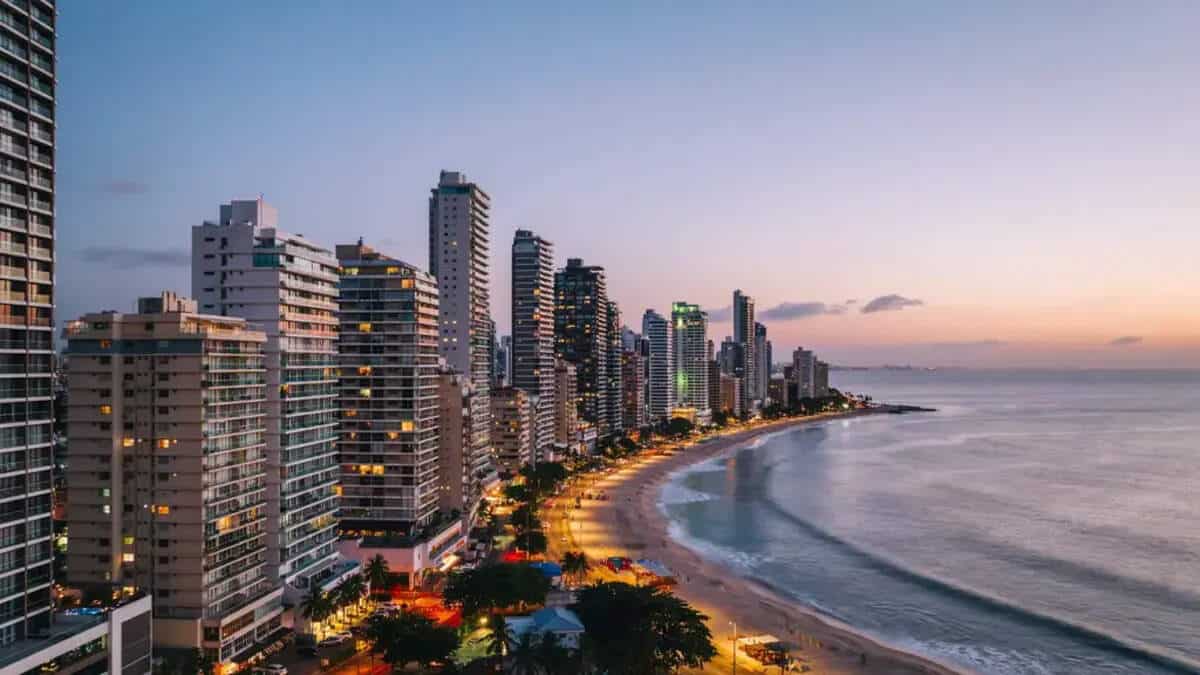
Colombia unites Japan, Sri Lanka and more countries as travel shifts reshape 2026 and 2027, with changing demand, connectivity, sustainability and tourism trends influencing destinations.
Colombia unites Japan, Sri Lanka and more countries as travel shifts reshape 2026 and 2027. Across destinations, changing traveller demand is influencing tourism strategies.
Meanwhile, connectivity, sustainability and new experiences are gaining importance. Together, these countries reflect how travel markets are adapting quickly as visitors seek diverse, meaningful and accessible journeys.
What does Medellin’s tourism growth reveal about South America’s changing travel landscape?
Medellin’s latest tourism story highlights the growing importance of sustainable development, destination diversification and connectivity in South American tourism. The Colombian city is increasingly being positioned within a competitive regional tourism environment that includes established destinations such as Panama City. The story examines how Medellin’s tourism development is being influenced by new connectivity and a stronger focus on sustainable growth. For international travellers, this reflects a wider shift towards cities that combine cultural experiences, urban tourism and responsible destination management. The development also demonstrates how South American destinations are seeking to strengthen their international appeal while creating tourism models designed to support longer-term economic development.
Advertisement
Advertisement
How are Taiwan and South Korea contributing to Japan’s Mount Fuji trekking demand?
Japan’s Mount Fuji trekking experience continues to attract interest from regional Asian markets, including travellers from Taiwan and South Korea. The story examines how tourism from these markets is contributing to demand around one of Japan’s most recognisable attractions. Mount Fuji has long been a major draw for international visitors, but trekking tourism adds an active and seasonal dimension to the destination. Taiwan and South Korea are important regional travel markets for Japan, while growing interest in outdoor experiences is reshaping destination demand. The development also highlights the importance of managing visitor flows, trekking infrastructure and sustainable access around heavily visited natural attractions.
Why is Sri Lanka becoming part of Asia’s expanding pilgrimage tourism network?
Sri Lanka is strengthening its position within Asia’s growing pilgrimage and spiritual tourism landscape, particularly in relation to Indian travellers. The latest story places Sri Lanka alongside Myanmar and other Asian destinations seeking to develop religious and cultural travel corridors. Pilgrimage tourism can generate demand beyond conventional beach and leisure holidays, connecting destinations with heritage, faith and cultural experiences. The report also highlights government initiatives, visa developments and payment-related changes that can influence visitor convenience. For Sri Lanka, strengthening access for Indian travellers could support a broader tourism strategy in which religious journeys complement traditional leisure tourism and encourage travel between culturally connected Asian markets.
Advertisement
Advertisement
Why are Thailand and Malaysia targeting India’s growing outbound travel market?
Thailand and Malaysia are among the destinations seeking to capture increasing demand from Indian travellers as Asian tourism patterns continue to evolve. The story highlights the growing importance of India as an international source market, particularly as destinations respond to changing Chinese travel demand. Thailand and Malaysia already offer established tourism infrastructure, extensive air connectivity and a broad range of leisure experiences. Their focus on Indian visitors reflects a wider industry strategy of diversifying source markets. Indian travellers represent demand across leisure, family holidays, shopping, business travel and celebrations, making the market increasingly relevant to destinations competing for international visitors in 2026.
How are Ho Chi Minh City and Seoul becoming major magnets for modern travellers?
Ho Chi Minh City and Seoul are emerging as strong urban tourism destinations by combining shopping, lifestyle, entertainment and international travel experiences. Both cities offer travellers a combination of traditional culture and modern urban attractions, helping them appeal to younger and experience-focused visitors. Shopping is an important component, but the attraction extends into food, nightlife, entertainment, cultural experiences and contemporary lifestyles. Their development reflects a broader transformation in city tourism, where travellers increasingly seek destinations capable of providing several experiences within one trip. The story highlights how Asian cities are competing not simply through monuments, but through complete and constantly evolving visitor experiences.
Why is Bali introducing new measures to address overtourism?
Bali is moving towards stronger tourism management as concerns surrounding overtourism, visitor pressure and development continue to influence destination policy. The latest coverage highlights measures involving tourism taxes, rental controls and other changes affecting how visitors and tourism businesses operate. Bali remains one of Indonesia’s most internationally recognised destinations, but its popularity creates pressure on infrastructure, communities and the environment. New regulations and management approaches therefore form part of a broader discussion about balancing visitor numbers with destination sustainability. The Bali story also illustrates how popular destinations worldwide are increasingly examining taxation, accommodation controls and development restrictions to manage tourism growth.
Which destinations are emerging on travellers’ 2027 bucket lists?
Kenya, South Africa and other destinations are gaining attention as travellers look beyond conventional tourism hotspots for more distinctive experiences in 2027. The latest story focuses on emerging bucket-list destinations, including historic trails, remote adventures and lesser-known locations. Kenya provides opportunities combining wildlife, landscapes and cultural experiences, while South Africa offers diverse tourism products ranging from nature and heritage to urban and coastal travel. The wider trend reflects growing demand for experiences that feel more individual and less conventional. For destination marketers, the challenge is to promote these places while preserving the natural and cultural resources that make them attractive.
Why is Tokyo attracting renewed attention as Japan’s tourism patterns change?
Tokyo remains central to Japan’s international tourism landscape as changing visitor patterns reshape demand across the country. The latest story focuses on Chinese tourist arrivals and the continuing importance of Tokyo as a major gateway and urban destination. Tokyo offers shopping, food, entertainment, luxury experiences and extensive transport connections, making it particularly significant for international visitors. Changes in Chinese travel behaviour can have implications for hotels, retailers, tour operators and other tourism businesses. At the same time, the story reflects the broader importance of understanding how source-market preferences are changing and how major Asian cities are adapting their tourism products to evolving international demand.
How are Australia and New Zealand supporting winter cruise tourism?
Australia and New Zealand are attracting attention in the regional winter cruise market as cruise demand develops across the Southern Hemisphere. Their destinations offer a combination of coastal scenery, cities, islands and nature-based attractions that can support cruise itineraries. Winter cruising also provides an opportunity to distribute tourism demand across different seasons and markets. The latest coverage highlights growing interest in regional cruise travel and the role of Australia and New Zealand in this developing tourism segment. Cruise activity can generate economic benefits for ports, attractions, transport providers, hotels and local businesses while connecting multiple destinations within a single holiday itinerary.
Advertisement
Advertisement
What does Savoy Hotel Manila’s latest recognition mean for airport hospitality?
Savoy Hotel Manila has received recognition as Asia’s Leading Airport Hotel and the Philippines’ Leading Airport Hotel, according to the latest story highlighted on the author page. The recognition is particularly relevant to Manila’s role as an important aviation and tourism gateway. Airport hotels increasingly serve more than passengers facing overnight connections, providing accommodation for business travellers, airline crews, families and visitors requiring convenient access to major transport infrastructure. The story notes that the property has secured its fifth consecutive Philippine title, underlining its continued presence in regional hospitality awards. The development also illustrates the growing connection between aviation infrastructure and destination-based hotel demand.
Together, the 10 stories demonstrate how global tourism is becoming increasingly diversified. Sustainable destination development, regional source markets, pilgrimage tourism, outdoor travel, urban experiences, overtourism management, adventure tourism, cruise demand and airport hospitality are all influencing the industry at the same time.
A particularly visible theme is the growing importance of Asian outbound tourism. Taiwan, South Korea, India and China appear across several stories, demonstrating how shifts in traveller behaviour within Asia can influence destinations thousands of kilometres away. Thailand, Malaysia, Japan, Sri Lanka, Vietnam and South Korea are all responding to evolving demand in different ways.
Another major theme is destination management. Bali’s response to tourism pressure and Medellin’s focus on sustainable development illustrate how destinations are increasingly considering the long-term consequences of rapid visitor growth. At the same time, emerging destinations and experiences are creating new opportunities for tourism diversification.
The portfolio also shows how travel is moving beyond conventional sightseeing. Trekking, pilgrimage journeys, shopping, lifestyle tourism, wildlife, remote adventures and cruising are becoming important components of destination strategies.
Colombia, Japan, Sri Lanka and more countries are responding to travel shifts reshaping 2026 and 2027. Their changing tourism strategies reflect evolving demand, stronger connectivity and growing sustainability priorities. As destinations adapt, travellers can expect more diverse experiences, while countries increasingly compete through innovation, accessibility and distinctive tourism offerings.
Advertisement
