
Exploring Sacred Horizons: Inside the New Jordan-South Africa Tourism Partnership Boosting Faith Travel

Published
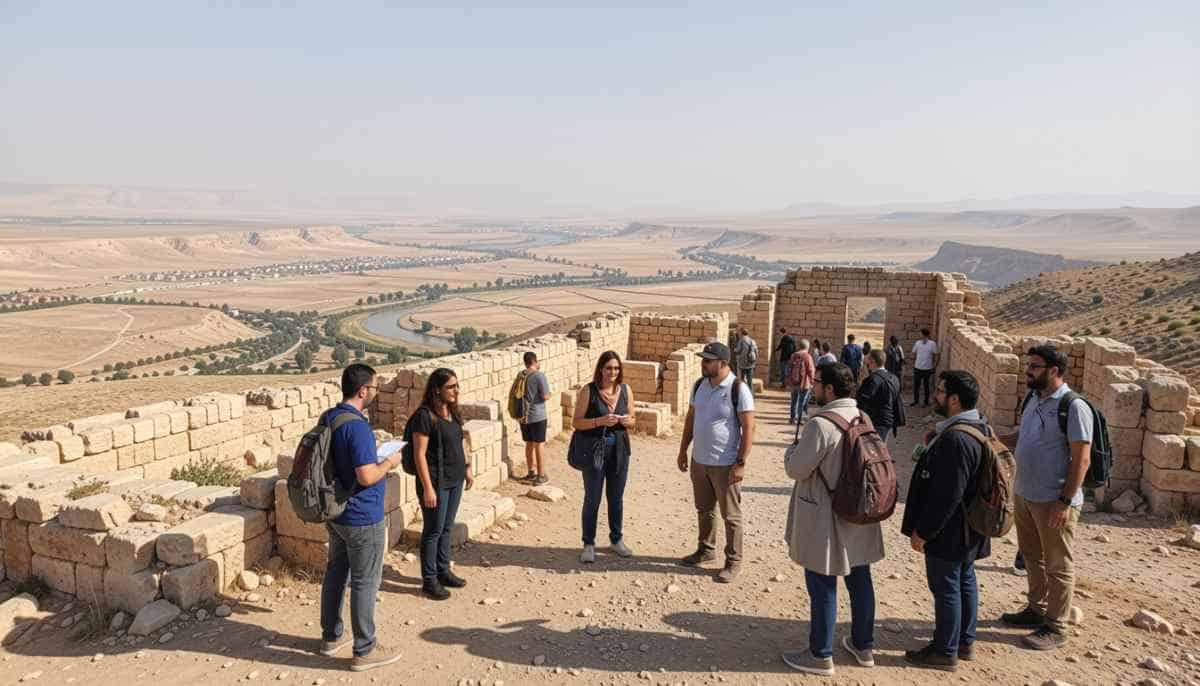
Image generated with Ai
Savvy global travellers and those in the travel industry need to be closely watching the changing dynamics of international exploration. A strategic shift is happening in the tourism sector of the Middle East. Recent diplomatic discussions between the South African Embassy in Jordan and the Jordan Inbound Tour Operators Association (JITOA) have created unprecedented opportunities for cross-cultural exchange. During the course of such meetings an extensive framework for bilateral tourism cooperation was established with a rigid emphasis placed upon the promotion of faith tourism. A clear vision and an aggressive pursuit to attract a greater influx of South African visitors to the Hashemite Kingdom. Those who are carefully planning spiritually and culturally immersive itineraries and industry professionals tracking emerging market trends for the best future travel opportunities must understand the implications of these unfolding developments now.
Understanding the Strategic Vision
Constant innovation is required by the modern travel landscape, and a highly calculated effort to bridge two culturally rich demographics is represented by this newly formed alliance. Shared interests in spiritual and historical heritage are being leveraged so that travel pathways can be streamlined and highly specialized vacation packages can be carefully curated. Historically, faith tourism was often confined to localized, small-scale pilgrimages. Today, this niche is being rapidly transformed into a globally connected, highly lucrative economic sector.
Destinations where profound historical resonance is coupled with robust modern infrastructure are increasingly sought by international tourists. Through collaborative promotional campaigns and the establishment of streamlined logistical frameworks, access to iconic sacred sites is being significantly enhanced for global wanderers. The historical significance of the Levant region is being actively promoted to the South African market, ensuring that long-standing travel barriers are systematically reduced. A modernized approach to heritage tourism is being constructed by regional authorities, where ancient spiritual paths can be navigated with contemporary ease and luxury.
Frequently Asked Questions (People Also Ask)
What is the significance of faith tourism in Jordan?
Immense economic and cultural value is held by faith tourism in Jordan, as numerous biblical and historical landmarks of unparalleled global significance are housed within its borders. Sites such as Bethany Beyond the Jordan—which is widely recognized as the authentic Baptism site of Jesus Christ—alongside Mount Nebo and Machaerus, are visited by hundreds of thousands of pilgrims annually. Spiritual anchors that drive deep cultural appreciation are provided by these locations, and vital financial support for local heritage preservation efforts is generated by this continuous influx of international visitors.
Advertisement
Advertisement
How is inbound tourism supported by JITOA in Jordan?
The Jordan Inbound Tour Operators Association (JITOA) is recognized as the primary representative body for destination management companies operating within the country. High standards of service are established, and supportive industry policies are advocated for by this organization. The Jordan Tourism Board and various international diplomatic missions are closely collaborated with so that sustainable, competitive tourism products can be continuously developed. The Kingdom’s diverse historical offerings are thereby showcased to international markets with optimal efficiency.
Advertisement
Advertisement
What historical attractions are prioritized by South African visitors in Jordan?
A diverse blend of ancient archaeology, sweeping desert landscapes, and sacred history is typically sought by South African travelers when the region is explored. Deeply revered biblical pilgrimage routes are prioritized, alongside the renowned UNESCO World Heritage Site of Petra. Furthermore, the desert wilderness of Wadi Rum and the restorative, mineral-rich waters of the Dead Sea are frequently included in the highly specialized itineraries that are curated specifically for this demographic.
Expanding Horizons: Strengthening Bilateral Cooperation
A broader economic and cultural objective is underscored by the ongoing dialogue between JITOA and the South African Embassy. Mutual understanding and international economic growth are fostered when tourism is utilized as a catalyst for cross-border collaboration. Comprehensive multi-destination itineraries and specialized single-destination packages are currently being designed by tour operators from both nations. These robust offerings are being precisely tailored to match the specific cultural and spiritual preferences expressed by South African tourists.
According to official data and reports published by the Jordanian Ministry of Tourism and Antiquities, traveller behaviour is significantly influenced when targeted marketing outreach is combined with improved international air connectivity. Within the newly proposed framework, logistical hurdles are being systematically addressed, travel agency partnerships are being structurally enhanced, and specialized training programmes are being introduced.
These educational programmes are designed for local hospitality workers and tour guides so that multi-faith historical narratives can be accurately and engagingly delivered to foreign visitors. Furthermore, diplomatic visa processes are being actively reviewed by relevant authorities so that smoother entry procedures can be facilitated for incoming tourist groups from the African continent.
Future Prospects and Traveller Takeaways
With these bilateral initiatives moving from the diplomatic discussion to the active implementation phase, a much richer array of curated travel experiences can be anticipated by prospective visitors. This new emphasis on faith tourism is not merely for traditional pilgrimage groups but rather offers an open invitation to modern-day travellers of all stripes to fully explore the profound historical roots that connect continents.
The close watch on these particular geopolitical developments provides a distinct competitive advantage to the industry observers and avid travellers. These dedicated efforts are opening the world’s most enduring cultural treasures in a remarkable way. The growing partnership between Jordan and South Africa is undoubtedly a new era in global tourism cooperation, and it is constantly proven that one of the most powerful bridges linking distant nations today is the shared historical heritage.
Advertisement
