
Bali Explores New Light Rail Project and Guided Bus System to Transform Tourist Travel After Metro Delay

Published
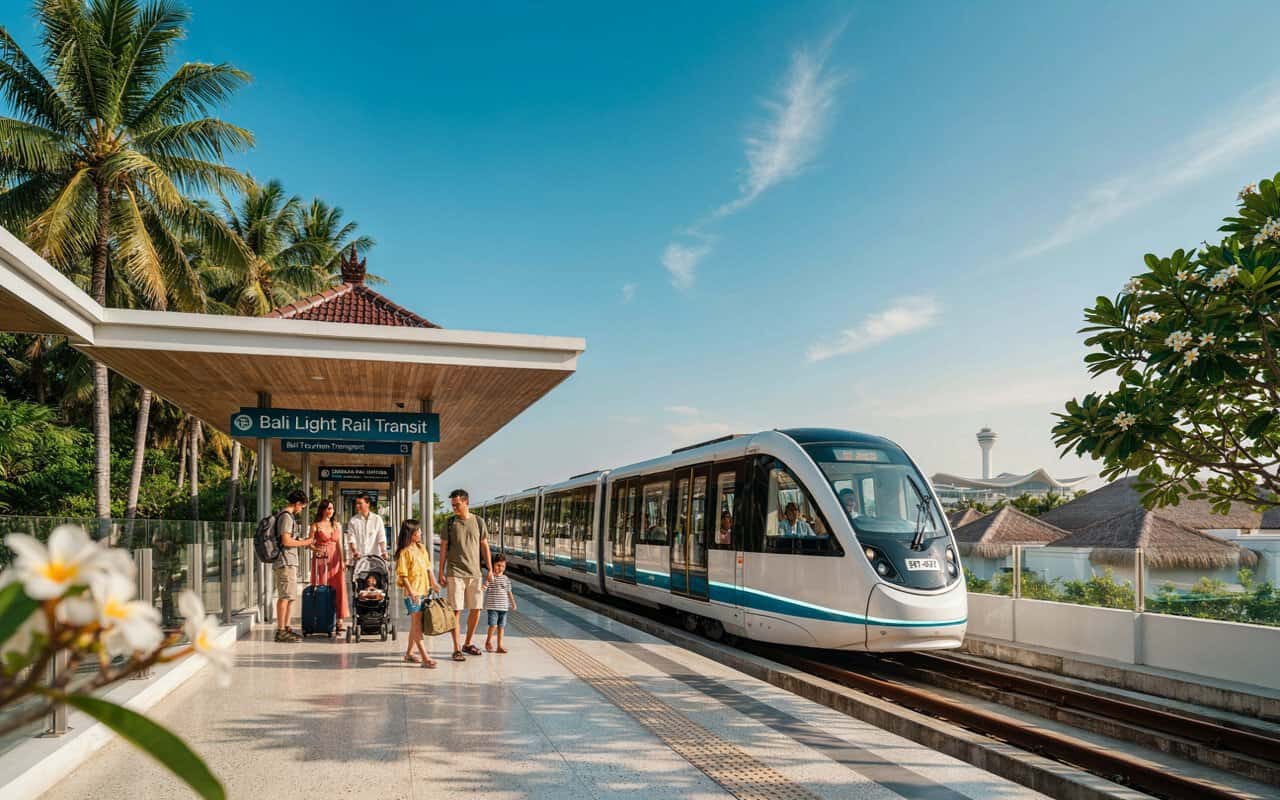
Bali will soon begin a new era of transportation planning as the country reviews the Bali Light Rail Project, as well as a guided bus system option following the initial failure of the island’s metro development project. The new analysis might affect how millions of tourists will travel from I Gusti Ngurah Rai International Airport to various resort areas and tourist hotspots in the coming years. A memorandum of understanding signed on September 1, 2026, is set to initiate an analysis of alternative mass transit systems which aim to decrease road traffic and streamline the transportation process in one of Southeast Asia’s most popular holiday islands.
The change in the transportation approach follows the initial success of Bali’s metro development project that achieved its groundbreaking event in September 2024 but failed to advance further in its development.
Why Bali Is Searching for a New Transport Solution
Bali welcomes millions of domestic and international travellers every year, with many visitors concentrating their journeys around southern areas such as Kuta, Seminyak, Denpasar, Jimbaran, Nusa Dua and Badung. These locations are also among the island’s busiest transport corridors.
For tourists, road congestion can significantly affect airport transfers, sightseeing plans and travel schedules. A journey that appears short on a map can become much longer during peak periods because most visitors depend on road-based transport.
Advertisement
Advertisement
The latest transport study reflects Bali’s growing need for a reliable public mobility system that can support tourism expansion while improving everyday travel for local communities.
The New Bali Transport Study Explained
The agreement signed on September 1, 2026, focuses on studying and preparing a mass rapid transit solution after changes surrounding the previous metro proposal. The assessment will examine different technologies and identify which system could provide the most suitable long-term option for Bali.
Advertisement
Advertisement
The study involves transport authorities and regional stakeholders looking at solutions that can combine efficiency, sustainability and practical construction requirements.
Transport Options Being Considered for Bali’s Future
The review is focused on several modern mobility systems:
- Light Rail Transit (LRT): A rail-based public transport system designed for urban and regional passenger movement.
- Autonomous Rail Rapid Transit (ART): A battery-powered guided vehicle system using advanced sensors and virtual track technology instead of traditional rails.
- Guided bus systems: A flexible transport option that can provide dedicated-route services with lower infrastructure requirements.
The final choice will depend on technical assessments, investment requirements, passenger demand and suitability for Bali’s tourism environment.
The decision is important because Bali’s transport challenges are different from those of large urban centres. The island must balance tourism access, environmental protection, limited land availability and preservation of its unique character.
What Happened to Bali’s Original Metro Project
Bali’s original mass rapid transit vision was designed to provide a modern transport network connecting major tourism and urban areas. The project was presented as a solution to increasing congestion and future mobility challenges.
A groundbreaking ceremony took place in September 2024, marking an important step towards developing a new transport system. The planned network was expected to improve connections around southern Bali, including links from Ngurah Rai International Airport.
Advertisement
Advertisement
However, progress slowed, leading authorities to examine alternative approaches. Instead of continuing with the same concept, officials are now reviewing whether other technologies could deliver a more practical solution.
How the New Approach Differs From Traditional Metro
The latest study represents a possible change in transport strategy.
- Traditional metro systems usually require extensive underground or elevated infrastructure.
- Light rail can offer a smaller-scale railway solution.
- Autonomous guided transport can operate with fewer traditional rail requirements.
- Guided buses can provide flexible routes and easier adjustments.
This approach could allow Bali to select a system that matches tourism demand without creating excessive construction challenges.
How the Bali Light Rail Project Could Change Tourism
Transport infrastructure plays a major role in how travellers experience a destination. For Bali, better connectivity could influence everything from airport arrivals to hotel accessibility.
Visitors often choose destinations based on convenience, travel time and ease of movement. A reliable mass transit system could make different parts of Bali easier to access without depending entirely on private vehicles.
Potential Benefits for Travellers Visiting Bali
A future Bali Light Rail Project could provide several possible advantages:
Advertisement
Advertisement
- Faster connections between the airport and tourism districts.
- More predictable travel times during busy holiday seasons.
- Additional transport choices for independent travellers.
- Reduced pressure on Bali’s heavily used roads.
- Improved access between hotels, attractions and commercial areas.
For international visitors unfamiliar with Bali’s transport system, a dedicated public transit option could simplify travel planning.
The project could also encourage visitors to explore beyond traditional tourism zones by making more areas accessible through organised transport connections.
Proposed Route Could Strengthen Airport Connectivity
One of the most important aspects of the proposed transport concept is its focus on airport connectivity.
Ngurah Rai International Airport is Bali’s main international gateway and the first point of arrival for millions of overseas visitors. Improving the connection between the airport and tourism centres has been a major transport priority.
The current study examines a route concept connecting the airport area with important tourism locations.
Areas Included in the Current Transport Concept
The proposed corridor under consideration includes:
Advertisement
Advertisement
- I Gusti Ngurah Rai International Airport.
- Central Parkir Kuta.
- Cemagi coastal tourism area.
- An approximately 12-kilometre connection corridor.
The alignment follows the general direction of previous transport planning ideas, focusing on areas with high visitor activity.
A dedicated connection from the airport could reduce dependence on road transfers and create a smoother arrival experience for travellers.
Why This Matters
The development of a new Bali transport system matters because tourism growth depends heavily on mobility.
A destination can attract visitors, but moving those visitors efficiently is equally important. Congestion affects travellers, businesses and local residents.
Long-Term Impact on Bali Tourism
A successful mass transit system could influence:
- How visitors plan their holidays.
- Where tourists choose to stay.
- How easily travellers explore different parts of Bali.
- How tourism businesses operate.
- How the island manages future visitor growth.
The project also reflects a wider global trend where tourism destinations are investing in sustainable transport solutions.
Advertisement
Advertisement
Popular destinations worldwide are increasingly looking for alternatives to car-dependent travel models. Bali’s transport review follows this broader shift towards cleaner and more efficient mobility.
What Travellers Should Know
The proposed Bali Light Rail Project is not yet operational. Travellers visiting Bali should continue using existing transport options until authorities confirm construction timelines and service launch dates.
The study phase means future details, including final technology selection, route design and implementation schedule, may change.
Before Booking Your Bali Holiday
Travellers should remember:
- The new transport system is still under evaluation.
- No light rail or guided bus service is currently available.
- Airport transfers should still be arranged through existing transport providers.
- Future announcements should be checked through official Indonesian and Bali government channels.
- Current road conditions should be considered when planning travel between destinations.
The proposed project represents a future improvement rather than an immediate change for visitors.
Technology Choices Could Shape Bali’s Transport Future
Choosing the right technology will be one of the biggest decisions in Bali’s mobility planning.
Advertisement
Advertisement
The island needs a system that can handle tourist demand while remaining practical to build and operate.
Factors Influencing the Final Decision
Authorities will consider:
- Construction complexity.
- Passenger capacity.
- Environmental impact.
- Operating costs.
- Integration with existing transport networks.
- Long-term tourism requirements.
The final system could become one of Bali’s most important infrastructure developments in the coming years.
Industry Impact Beyond Transport
The impact of improved transport could extend beyond passenger movement.
Hotels, restaurants, attractions and tour operators could benefit from easier visitor access. Better connections may also encourage longer stays by allowing tourists to explore more areas comfortably.
For Bali’s tourism economy, transport is not only an infrastructure issue. It is a key factor in maintaining competitiveness as travellers increasingly expect convenient and sustainable mobility.
Advertisement
Advertisement
Frequently Asked Questions
What is the Bali Light Rail Project?
The Bali Light Rail Project is a proposed transport solution being studied as an alternative after delays affecting Bali’s earlier metro plans.
Will tourists be able to use the new Bali transport system soon?
No. The project remains under study, and authorities have not announced an operational start date.
Which areas could the future system connect?
The current concept focuses on connecting Ngurah Rai International Airport with major tourism areas, including Kuta and Cemagi.
What transport technologies are being studied?
Authorities are examining light rail transit, autonomous guided transport and guided bus options.
How should visitors travel around Bali today?
Travellers should continue using existing transport services, including taxis, private transfers and local transport options.
Closing Update
In opting for an assessment on the Bali Light Rail Project and alternative modes of guided transport, Bali has adopted a new strategy of addressing issues of congestion and tourists’ movement.
Advertisement
Advertisement
The light rail project is at the planning stage and indicates Bali’s strategy in creating a transport system that will accommodate future tourism expansion. If the plan materializes, there would be major changes in how tourists access the island.
At present, tourists are advised to follow developments as the next generation of transport systems is assessed.
Advertisement
