
Boston’s 2025 International Tourism Outlook Plunges: Here’s Why You Need To Know

Published
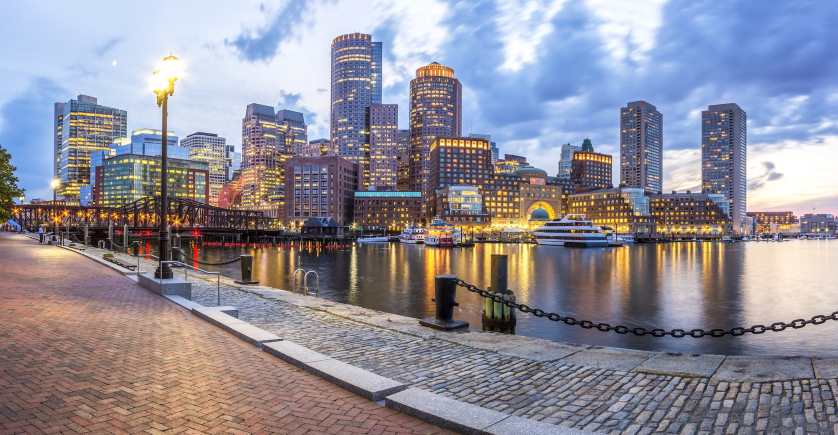 Image generated with Ai
What was once expected to be a record-breaking year for international tourism in Boston has now taken a sharp turn, as new U.S. tariff policies and political rhetoric have chilled projections across key global travel markets—particularly Canada, one of the city’s top international visitor sources.
According to Meet Boston, the region’s official tourism bureau, early forecasts had anticipated more than 860,000 Canadian visitors to Boston in 2025, surpassing pre-pandemic highs. However, due to recent policy shifts announced by President Donald Trump, those expectations are being significantly revised.
As per public statements shared by Meet Boston’s spokesperson Dave O’Donnell, the city now expects a 9.4% overall decline in international travel to the U.S. next year, with a steeper 20.2% drop from Canada alone.
Boston typically welcomes about 20 million visitors annually, of which 3 million are international, according to Massachusetts Office of Travel and Tourism (MOTT) data.
Advertisement
Advertisement
While the decline in Canadian visitors may appear marginal in volume, O’Donnell explains that it carries an outsized impact: “International visitors stay longer, spend more per day, and fuel the region’s hotels, restaurants, cultural venues, and convention centers.”
The chilling effect stems from recent announcements by Trump to reintroduce or expand tariffs on certain imports and threats of stronger geopolitical stances against even long-standing allies. Canadian travel agencies and tourism operators, facing uncertainty, have begun rerouting clients to alternative destinations, impacting Boston’s tourism economy directly.
Advertisement
Advertisement
Further compounding concerns, O’Donnell confirmed that “a couple” of planned international business events in Massachusetts have already been canceled, citing political unpredictability. While specifics weren’t disclosed, this has raised alarms for local hospitality businesses.
In response, Meet Boston has pivoted to diplomatic destination marketing. They’re working with European partners and actively seeking a Canadian counterpart to promote Boston’s image as “a welcoming, inclusive destination.” O’Donnell added, “We want to separate Boston and New England from broader U.S. rhetoric. Culturally and historically, we’re already distinct—but travelers are reacting to the national climate.”
Advertisement
Advertisement
Meanwhile, Associated Industries of Massachusetts (AIM), the state’s largest business group, issued a warning about the broader economic fallout. According to AIM President Brooke Thompson, expected reciprocal import taxes could raise costs for Massachusetts businesses, reducing profitability, halting investments, and potentially forcing job cuts.
The U.S. Department of Commerce and International Trade Administration both monitor tariff implications and tourism trends. Past data show that tariffs often result in retaliatory measures that affect travel demand, pricing, and cross-border relations—particularly with key trade partners like Canada and the European Union.
As uncertainty grows, Boston’s tourism leadership is emphasizing collaboration, diplomacy, and resilience to protect a vital economic pillar that supports tens of thousands of local jobs. The city’s ability to weather the storm may depend on a delicate balancing act between regional charm and national policy.
Advertisement
