
Tunisia Confronts Marine Warming as Gulf of Gabès Tourism and Fisheries Face Risks

Published
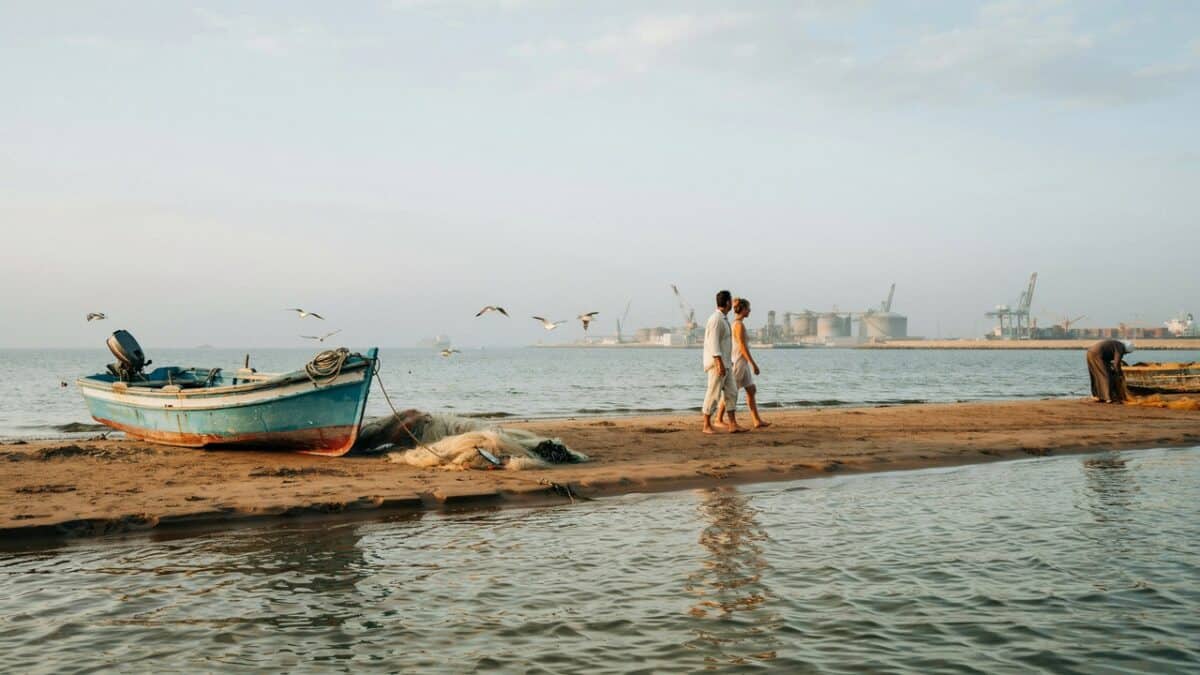
Image generated with Ai
Official data show temperatures in Tunisia’s Gulf of Gabès were above 30ºC in July 2026. Sea surface temperatures across the Mediterranean were at 27.3ºC on 1 August 2026, with around 65.8% of the Mediterranean experiencing marine heatwave conditions. These temperatures do not represent an immediate concern for tourism. There are no general bans on beach or swimming activities. There are no planned changes in air travel or border control. Sustained periods of marine warming compound the existing challenges for fisheries and seafood businesses along the Gulf of Gabès, Djerba, and Zarzis. There are risks that marine ecosystems and coastal activities will suffer even when there are no visible marine heatwaves.
Exceptional Mediterranean Temperatures Place Southern Tunisia Under Scrutiny
Tunisia’s marine research authorities reported seawater temperatures exceeding 30°C in July 2026, with some observations reaching approximately 34°C. These readings represent unusually warm marine conditions, rather than daytime air temperatures. Separate Mediterranean monitoring recorded a basin-wide average surface temperature of about 27.3°C on 1 August. Approximately 65.8% of the Mediterranean was experiencing marine-heatwave conditions on that date. A marine heatwave occurs when seawater remains unusually warm compared with normal seasonal conditions for an extended period. It is therefore different from a single hot afternoon or a temporary rise near a shallow beach.
The Mediterranean event was widespread, but conditions were not identical across the entire basin. Forecast information for 1 August suggested the heatwave was decreasing in overall area and strength, although moderate-to-strong conditions remained in several locations. Weekly observations from 26 July to 1 August showed temperature differences ranging from near normal to more than 3°C above expected levels. Global evidence also showed unusual ocean warmth. The average June 2026 sea-surface temperature outside polar areas reached 20.86°C, the highest June level in the official record. These figures confirm an exceptional regional situation without proving that every Tunisian beach faced the same temperature or environmental impact.
The Gulf of Gabès Was Environmentally Vulnerable Before the Latest Event
The Gulf of Gabès contains shallow waters, tidal environments, coastal oases, islands and extensive marine vegetation. These habitats support fish, molluscs, shellfish and other species important to local communities. The region also contains some of the Mediterranean’s most extensive Posidonia seagrass meadows. These underwater plants stabilise sediment, support marine food chains and provide nursery habitats for commercially important fish. Environmental research has also identified the Gulf as one of Tunisia’s most heavily exploited fishing areas. This combination of ecological importance and intensive economic use makes the region particularly sensitive to additional temperature stress.
Advertisement
Advertisement
Marine warming is not the Gulf’s only environmental challenge. Official Tunisian strategy documents have identified industrial pollution, phosphogypsum discharge, overfishing, illegal bottom trawling and habitat deterioration as longstanding pressures. Tunisia’s national blue-economy assessment reported a 44% fall in fishing productivity in the Gulf between 2000 and 2015. That historical ratio must not be presented as a consequence of the 2026 marine heatwave. It instead shows that the latest warming event is affecting an ecosystem already exposed to substantial pressure. Determining the impact of current temperatures will require new fishery, habitat and water-quality measurements rather than comparisons with an earlier decline.
Coastal Tourism and Fishing Carry Significant Economic Importance
The Djerba–Zarzis–Gabès tourism region recorded 53,114 accommodation beds in 2023, according to official national statistics. This represented approximately 23% of Tunisia’s total 230,726 registered tourism beds. The region also contained 150 accommodation establishments. Most large-scale resort activity is concentrated around Djerba and Zarzis, while Gabès and smaller coastal communities receive fewer international holidaymakers. Nevertheless, these communities offer seafood, boating, fishing traditions, beaches, wetlands, oases and cultural landscapes. Their tourism potential depends partly on the condition and reputation of the surrounding marine environment.
Advertisement
Advertisement
The wider economic exposure extends beyond hotels. Tunisia has more than 1,300 kilometres of coastline, while about 7.6 million people, or over 66% of its population, live in coastal areas. Official development assessments estimate that coastal tourism and fisheries together support approximately 450,000 jobs. Tunisia’s blue economy, including established and emerging marine industries, contributed nearly 14% of national economic output in 2018. These national figures cannot measure the impact of the current Gulf of Gabès heat event. They do, however, demonstrate why healthier seas matter to employment, food production, visitor spending and long-term coastal investment.
| Category | Verified figure or development | Meaning for travel and tourism |
|---|---|---|
| Gulf water temperature | Above 30°C in July 2026, with some observations near 34°C | Confirms exceptional marine warmth in Tunisian waters |
| Mediterranean average | Around 27.3°C on 1 August 2026 | Places Tunisia within a wider regional event |
| Heatwave coverage | Approximately 65.8% of the Mediterranean | Shows broad ecological exposure across the basin |
| Regional accommodation | 53,114 beds in 2023 | Demonstrates the scale of nearby tourism infrastructure |
| Regional share | About 23% of Tunisia’s registered tourism beds | Highlights the importance of Djerba–Zarzis–Gabès |
| Historic fishing decline | 44% between 2000 and 2015 | Provides background, not a 2026 impact measurement |
| Coastal population | More than 66% of Tunisia’s population | Shows national dependence on coastal resources |
| Tourism and fisheries employment | Approximately 450,000 jobs nationally | Indicates the wider economic stakes |
Warmer Water Could Alter Marine Activities Without Closing Destinations
For visitors, the most noticeable effect may be less refreshing seawater during periods of intense summer heat. However, water temperature alone does not determine whether swimming is safe. Bathing safety depends on bacterial levels, pollution, currents, waves, jellyfish, harmful algae and local weather. As of 4 August 2026, no official evidence confirmed a general bathing ban, widespread beach closure or unsafe swimming-water declaration caused by the marine heatwave in Gabès, Djerba or Zarzis. Travellers should not interpret the temperature figures as proof that Tunisia’s southern beaches are contaminated or inaccessible.
Advertisement
Advertisement
The longer-term concern involves diving, snorkelling, boating, wildlife observation and recreational fishing. Prolonged heat can place stress on fish and other temperature-sensitive species. It may disturb feeding, reproduction and migration or encourage warm-water species to extend their range. Seagrass deterioration could reduce fish nursery areas and alter underwater scenery. Yet official agencies have not confirmed a measurable 2026 decline in diving quality, fish catches, wildlife excursions or visitor satisfaction caused by the event. These remain credible environmental risks requiring observation, rather than established tourism losses.
Seafood Businesses and Coastal Communities Face Layered Risks
Fishing supports markets, restaurants, processing activities and household income throughout southern Tunisia. Changes in fish distribution could eventually affect catch composition, availability and prices. Warmer-water species may become more common, while temperature-sensitive species may move into cooler or deeper areas. Marine heat can also combine with low oxygen, pollution or algal growth to create more severe local conditions. However, no official 2026 evidence currently establishes a regional seafood shortage, price surge or restaurant supply failure linked specifically to the latest temperatures.
Historical evidence confirms that algal blooms have previously occurred in the Gulf, particularly within confined waters and tidal lagoons. Official environmental assessments found that high summer temperatures and salinity can encourage water-column stratification and phytoplankton growth. Tunisia has operated a monitoring network for toxic plankton in shellfish-production areas since 1995. This earlier evidence supports continued vigilance, but it does not prove that the July–August 2026 event has produced a harmful bloom. Only current sampling can establish whether algae, bacteria, toxins or pollution make a particular area unsafe.
What Travellers Should Know and Where the Situation Is Heading
Travelers are advised to continue booking trips. There are no existing restrictions, for the time being, regarding travel and heat. Those wanting to swim, sail, dive and fish should know the local conditions and advisories. Beaches also have conditions and forecasts. Contact the licensed operators and ask about their weather cancellation policies. Shellfish and algae advisories are the official recommendations. Contact your travel insurance to verify coverage. There are no changes to the requirements to obtain visas, passports and travel documents. Media claims of fish kills and beach closures should be considered reasonable and not sensational at this time.
Fishing and tourism depend on the current warm weather, and so do other marine activities. Further warming of the ocean poses more threats to marine wildlife and seagrass, and other marine tourism will be affected, too. Only the ocean cooling will relieve the marine heat stress and not the other threats, such as marine pollution, overfishing and habitat destruction. Local authorities need to use local resources to research and complete the work of satellite monitoring. With local restrictions, announced changes in local official temperature readings along with the water quality measures will be the indicators of the next major shifts. Presently available data indicates that travel should continue without restrictions, but with a reasonable degree of monitoring.
Advertisement
