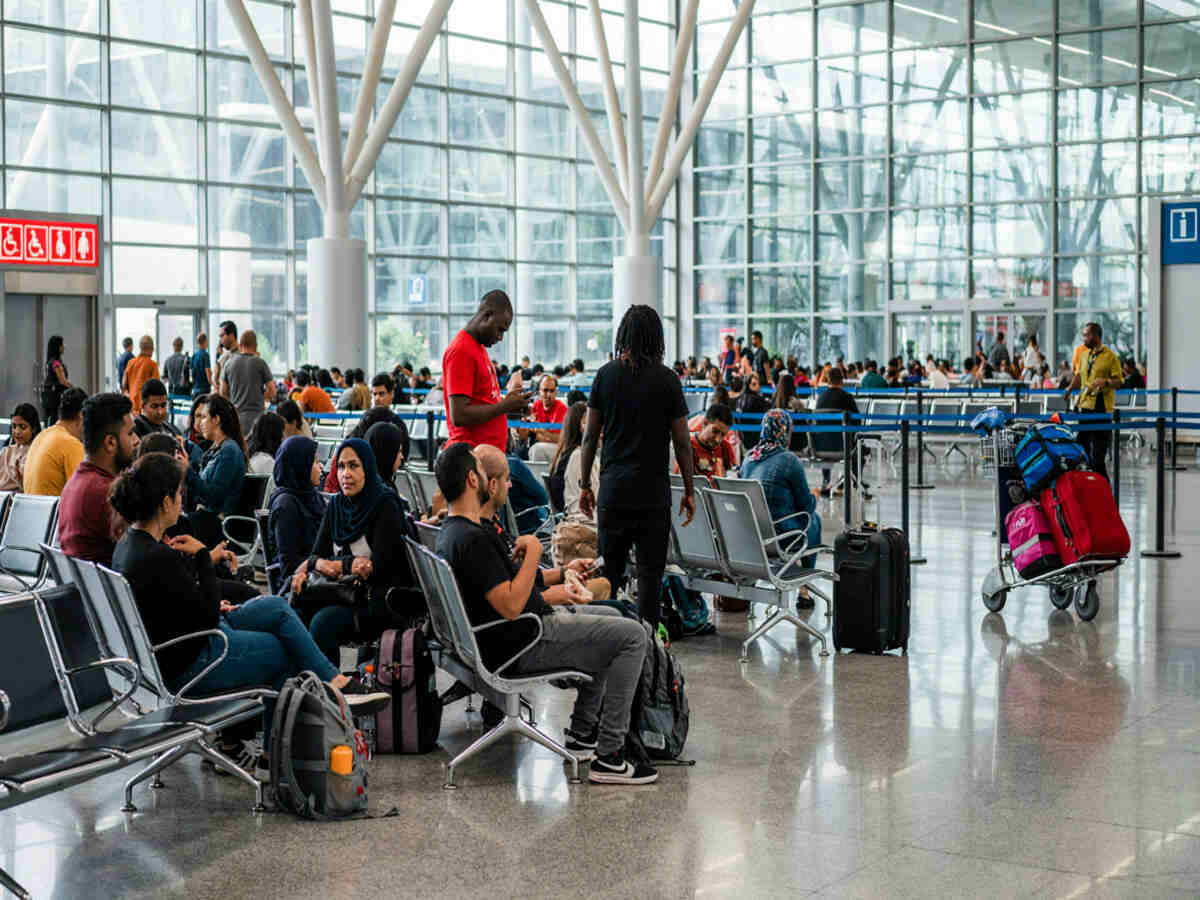
Image generated with Ai
The security situation has escalated in the countries of Oman, Qatar, and other Middle East countries with the warning from the US about possible travel disruptions in the wake of growing tensions in the region. The US has issued a fresh security advisory to travellers in the Middle East due to growing tensions in the region that have raised the fears of an escalation of tension, flights being disrupted, airspace issues, and travel disruption. The U.S. Department of State has warned US citizens who are in the region.
The U.S. Department of State warning affects travellers visiting or passing through several Middle Eastern destinations, including Oman, Qatar, Bahrain, Egypt, Iran, Iraq, Israel, West Bank and Gaza, Jordan, Kuwait, Lebanon, Saudi Arabia, Syria, the United Arab Emirates, and Yemen.
Advertisement
The latest advisory does not introduce a complete travel ban across the region. Instead, it focuses on awareness, preparation, and monitoring of rapidly changing security conditions. Americans travelling to or from the Middle East have been advised to closely follow airport and airline updates before beginning their journeys.
For the tourism industry, the warning highlights growing concerns around international travel confidence, aviation operations, regional connectivity, and passenger safety.
Advertisement
Advertisement
Oman has been included among the Middle Eastern countries receiving increased attention under the renewed U.S. security warning. The country remains an important destination for international travellers due to its natural landscapes, cultural heritage, coastline, and growing tourism sector.
The U.S. advisory highlights that travellers in Oman should remain alert and monitor official security updates as regional conditions continue to develop.
For visitors planning trips to Oman, the main travel concerns are not related to visa restrictions or border closures but possible regional effects on transportation networks. Any escalation in the wider Middle East could influence flight schedules, airport operations, and travel routes.
Travellers heading to Oman are being encouraged to check airline communications, follow local authority instructions, and remain aware of changes that could affect their travel plans.
Qatar remains one of the most important international aviation gateways in the Middle East. With millions of passengers connecting through the country every year, any regional security development can have a wider impact on global travel routes.
The U.S. warning advises travellers moving through Qatar and other regional hubs to monitor airline and airport operations carefully.
Possible travel impacts include:
Qatar’s tourism and aviation sectors depend heavily on international connectivity. Any uncertainty affecting regional air travel can influence passenger confidence, business travel, and tourism planning.
Travellers are being advised to confirm flight information directly with airlines and remain prepared for possible operational changes.
Bahrain is also among the countries included in the U.S. security information for the Middle East.
The Gulf nation attracts business travellers, regional visitors, and international guests through its tourism, events, and hospitality sectors.
Due to its location in the Gulf region, Bahrain remains connected to wider regional security developments. The U.S. warning encourages Americans in Bahrain to maintain awareness, follow embassy updates, and prepare for possible travel interruptions.
The alert focuses on security awareness rather than changes to entry rules, visas, or tourism access.
Egypt, one of the world’s most visited tourism destinations, has also been included in the U.S. security information.
The country attracts millions of international visitors every year through its ancient heritage, Red Sea resorts, cultural attractions, and Nile tourism experiences.
The U.S. warning advises travellers in Egypt to monitor security alerts and follow official guidance.
While tourism activities continue, regional uncertainty can influence traveller decisions, especially among international visitors planning holidays, business trips, or multi-country Middle East journeys.
Iran is one of the countries receiving significant attention under the renewed security warning.
The U.S. alert states that Iran and groups supporting Iran may target U.S. interests overseas or locations associated with the United States and Americans worldwide. These locations may include U.S. businesses, institutions, and other facilities connected with American interests.
The warning encourages travellers to carefully review security information before travelling to Iran and remain aware of changing conditions.
Iraq has also been included among the countries highlighted in the regional security update.
The U.S. advises travellers to follow local security instructions, remain alert, and monitor official announcements.
Due to existing regional security challenges, travellers visiting or transiting through Iraq are encouraged to carefully review conditions before making travel decisions.
Israel, West Bank and Gaza are included in the U.S. security information due to ongoing regional tensions.
Travellers are advised to remain updated on local conditions and follow official safety guidance.
The advisory highlights the importance of monitoring developments because conditions can change quickly and may affect transportation, movement, and tourism activities.
Jordan remains an important tourism destination known for historic attractions, cultural experiences, and international visitor arrivals.
The country has also been included in the U.S. security warning covering the Middle East.
Travellers are advised to stay informed, follow embassy guidance, and monitor any changes affecting travel operations.
The alert reflects concerns about possible regional spillover effects rather than new restrictions on tourism.
Kuwait is another Gulf country included in the U.S. warning.
The country plays an important role in regional business travel and international movement.
The U.S. guidance encourages Americans in Kuwait to remain vigilant and monitor security developments.
Travellers should stay updated with airline information because regional conditions can influence aviation schedules.
Lebanon, Syria, and Yemen are included in the U.S. Middle East security information due to ongoing security challenges.
Travellers are advised to carefully review country-specific guidance and remain aware of possible risks.
The warning encourages Americans to maintain communication with official channels and follow instructions from local authorities.
Saudi Arabia and the United Arab Emirates are two of the most important tourism and aviation markets in the Middle East.
Saudi Arabia has expanded its international tourism sector through major visitor initiatives, cultural destinations, and large-scale tourism development.
The UAE remains a global travel hub connecting passengers between continents through major airports.
The U.S. warning advises travellers visiting or transiting through these countries to monitor airport operations and remain prepared for possible disruptions.
The United States is using multiple official communication channels to alert travellers and provide security guidance.
The key actions include:
The U.S. is advising travellers to monitor airline schedules because security developments may result in flight cancellations, airspace closures, or route adjustments.
Passengers travelling through Middle Eastern airports are encouraged to contact airlines directly before departure.
Americans in the region are being advised to follow guidance from the nearest U.S. embassy or consulate.
These diplomatic facilities provide security alerts, emergency information, and assistance during changing situations.
The U.S. is encouraging travellers to enrol in the Smart Traveler Enrollment Program (STEP).
Through STEP, Americans can receive security updates from U.S. embassies and consulates by email.
The U.S. Department of State is also directing travellers to follow its “Security Updates for U.S. Citizens” WhatsApp channel for additional updates.
Americans needing assistance abroad can contact the U.S. Department of State through:
The renewed U.S. security warning mainly affects traveller confidence, aviation planning, and regional tourism sentiment.
At present, the warning focuses on safety awareness and preparation rather than announcing new visa restrictions or border measures.
The Middle East remains one of the world’s most connected travel regions, supported by major airports, international airlines, luxury tourism, cultural destinations, and business networks.
However, travellers are being advised to remain cautious, check official updates, and prepare for possible changes.
Oman, Qatar, and countries in the Middle East have received increased security warnings as the US cautions travelers about potential disturbances due to increasing tensions in the region.
Travelers intending to travel around the region have been advised by the US that the key things they should keep in mind include remaining alert and keeping track of transport conditions.
Advertisement
Advertisement
Advertisement












Wednesday, September 2, 2026

Tuesday, September 1, 2026

Wednesday, September 2, 2026

Wednesday, September 2, 2026

Tuesday, September 1, 2026

Tuesday, September 1, 2026

Wednesday, September 2, 2026

Wednesday, September 2, 2026