
Qatar’s Hamad International Airport Feeling the Ripple Effect as Strait of Hormuz Crisis Triggers Big Regional Airspace Closures and Flight Disruptions, but Can Qatar Airways Keep Global Travel Moving?

Published
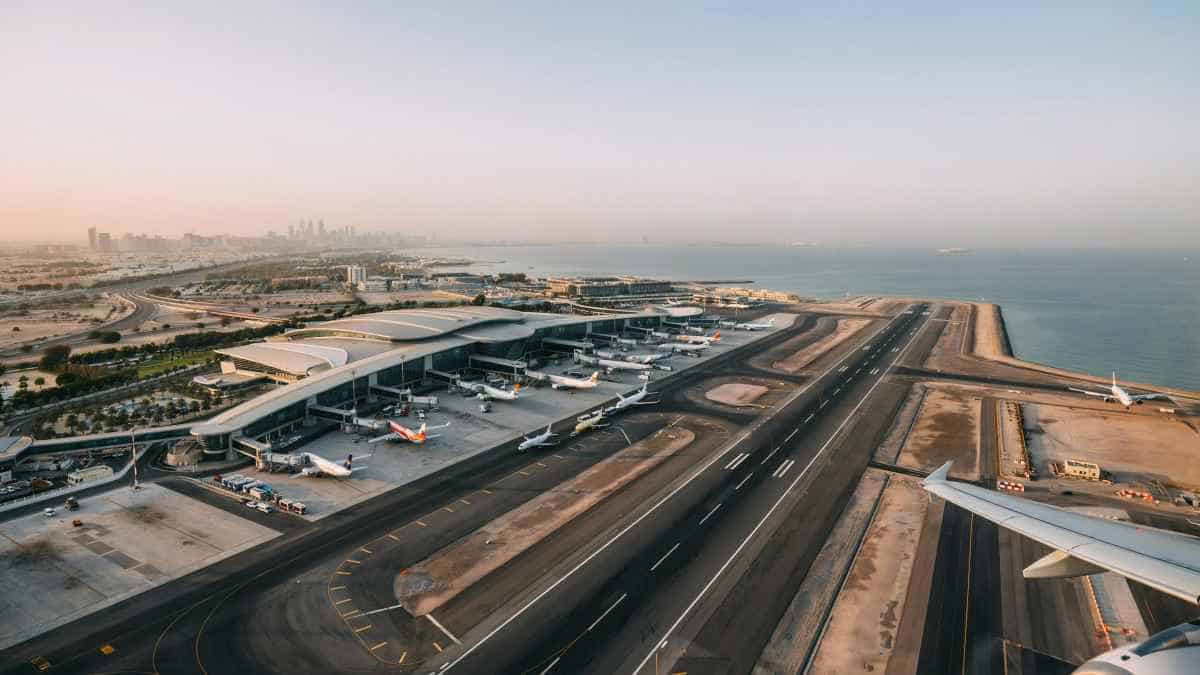
Qatar remains one of the Middle East’s busiest aviation hubs, but today the country finds itself navigating growing pressure from a rapidly evolving regional air travel situation. Although Qatar Airways continues operating its extensive international network through Hamad International Airport in Doha, neighbouring airspace restrictions, widespread flight cancellations and operational adjustments linked to the escalating maritime and air security situation surrounding the Strait of Hormuz are reshaping travel across the Gulf.
For tourists planning holidays, business travellers catching long-haul connections and transit passengers passing through Doha, the message is becoming increasingly clear: flights are operating, but flexibility and regular schedule checks have become essential.
Qatar Airways Maintains Its Global Network
Despite mounting regional aviation challenges, Qatar Airways continues serving hundreds of international destinations through its Doha hub.
Hamad International Airport remains fully operational, with international arrivals and departures continuing throughout the day. The airline continues managing one of the world’s largest long-haul networks, connecting Europe, Asia, Africa, North America and Oceania through Qatar’s capital.
Advertisement
Advertisement
However, operations are taking place against a backdrop of rapidly changing regional airspace conditions, requiring airlines to make ongoing adjustments to routes, flight paths and schedules.
For passengers, this means flights may continue operating while departure times, routing or journey durations change depending on operational requirements.
Advertisement
Advertisement
Strait of Hormuz Crisis Creates Regional Aviation Pressure
The developing security situation surrounding the Strait of Hormuz is extending beyond maritime shipping into commercial aviation.
As neighbouring countries introduce temporary airspace restrictions or operational limitations, airlines across the Gulf are reassessing flight corridors to maintain safety and operational efficiency.
Advertisement
Advertisement
Although Qatar itself continues operating commercial aviation services, disruptions elsewhere in the region can create ripple effects across interconnected airline networks.
Long-haul services may require revised routing, while connecting flights across neighbouring countries could experience delays or schedule changes.
Tourism Continues, But Planning Has Changed
Thinking of flying into Doha for a holiday?
The good news is Qatar’s tourism infrastructure remains fully operational.
Advertisement
Advertisement
Hotels, museums, shopping malls, cultural attractions, transport systems and hospitality venues continue welcoming visitors across the country.
However, travellers are increasingly advised to confirm flight details before leaving for the airport, particularly those connecting through multiple Gulf destinations.
For international visitors, travel planning now includes monitoring airline notifications alongside accommodation bookings and sightseeing itineraries.
Hamad International Airport Remains a Key Gateway
Located approximately 15 kilometres from central Doha, Hamad International Airport continues serving as one of the world’s busiest international transit hubs.
Passengers arriving in Qatar can quickly access major tourism districts including West Bay, Souq Waqif, Msheireb Downtown, Katara Cultural Village, The Pearl Qatar and Lusail through modern road links, taxis and the Doha Metro.
Airport operations continue supporting international tourism, although airlines may introduce operational changes depending on evolving regional developments.
Advertisement
Advertisement
Travellers are encouraged to arrive earlier than usual and monitor airline communications before departure.
Doha’s Attractions Continue Welcoming Visitors
Away from aviation headlines, Doha’s visitor experience remains largely unchanged.
Tourists continue exploring the Museum of Islamic Art, the National Museum of Qatar, the Doha Corniche and the vibrant alleyways of Souq Waqif.
Luxury accommodation remains available throughout West Bay, Lusail and The Pearl, while shopping destinations including Place Vendôme Mall, Doha Festival City and Villaggio Mall continue welcoming visitors.
Supermarkets such as Carrefour, Monoprix and Lulu Hypermarket remain easily accessible across the capital for international travellers.
Lusail and The Pearl Continue Operating Normally
Modern waterfront developments continue attracting visitors despite regional aviation uncertainty.
Advertisement
Advertisement
Lusail, approximately 25 kilometres north of central Doha, offers luxury hotels, entertainment venues and marinas.
Nearby, The Pearl Qatar, around 20 kilometres from Hamad International Airport, continues welcoming visitors to its waterfront promenades, restaurants, retail districts and residential communities.
Both destinations remain connected by major highways and public transport services.
What Travellers Should Do Before Flying
Could checking your flight become the most important part of your holiday?
Airlines recommend monitoring booking confirmations regularly, reviewing departure times before travelling to the airport and ensuring contact details remain updated for operational notifications.
Passengers connecting through Gulf hubs should also allow additional transit time where possible, as revised air routes may occasionally increase overall journey durations.
Advertisement
Advertisement
Comprehensive travel insurance and flexible booking arrangements remain valuable for international travellers during periods of regional operational uncertainty.
Nearby Attractions and Visitor Facilities
Visitors staying in Doha remain within easy reach of several major attractions.
Katara Cultural Village is approximately 10 kilometres from central Doha, while The Pearl Qatar lies around 15 kilometres away.
International hotel brands, serviced apartments and boutique accommodation remain available throughout the city, alongside pharmacies, grocery stores, cafés and restaurants serving visitors throughout the day.
Key Stats
- Hamad International Airport remains operational.
- Qatar Airways continues operating its international network.
- Hamad International Airport is approximately 15 km from central Doha.
- The Pearl Qatar is around 20 km from the airport.
- Lusail is approximately 25 km north of central Doha.
- Regional airspace restrictions continue affecting aviation operations across parts of the Gulf.
Frequently Asked Questions
Is Hamad International Airport still operating?
Yes. The airport continues handling international passenger services.
Are Qatar Airways flights operating?
Yes. Qatar Airways continues operating its global network, although some services may experience schedule or routing adjustments depending on operational requirements.
Advertisement
Advertisement
Should travellers check flight schedules before travelling?
Yes. Passengers are encouraged to confirm flight status directly with their airline before leaving for the airport.
Timeline and Events
16 July 2026 – Regional airspace closures and aviation disruptions linked to the evolving Strait of Hormuz security situation continue affecting airline operations across parts of the Gulf, while Qatar Airways maintains international services through Hamad International Airport.
Conclusion
Qatar’s aviation sector continues demonstrating resilience as regional tensions reshape flight operations across the Gulf. While neighbouring airspace restrictions and the evolving Strait of Hormuz crisis have placed additional pressure on commercial aviation, Hamad International Airport remains open and Qatar Airways continues connecting travellers with destinations around the world. For tourists visiting Doha, Lusail and The Pearl, the holiday experience on the ground remains largely unchanged. Nevertheless, careful flight planning, regular airline updates and flexible travel arrangements have become increasingly important as the regional aviation landscape continues to evolve.
Advertisement
