
Kerala, Tamil Nadu And Lakshadweep Face Swell Surge Risk As Coastal Tourism Is Curbed

Published
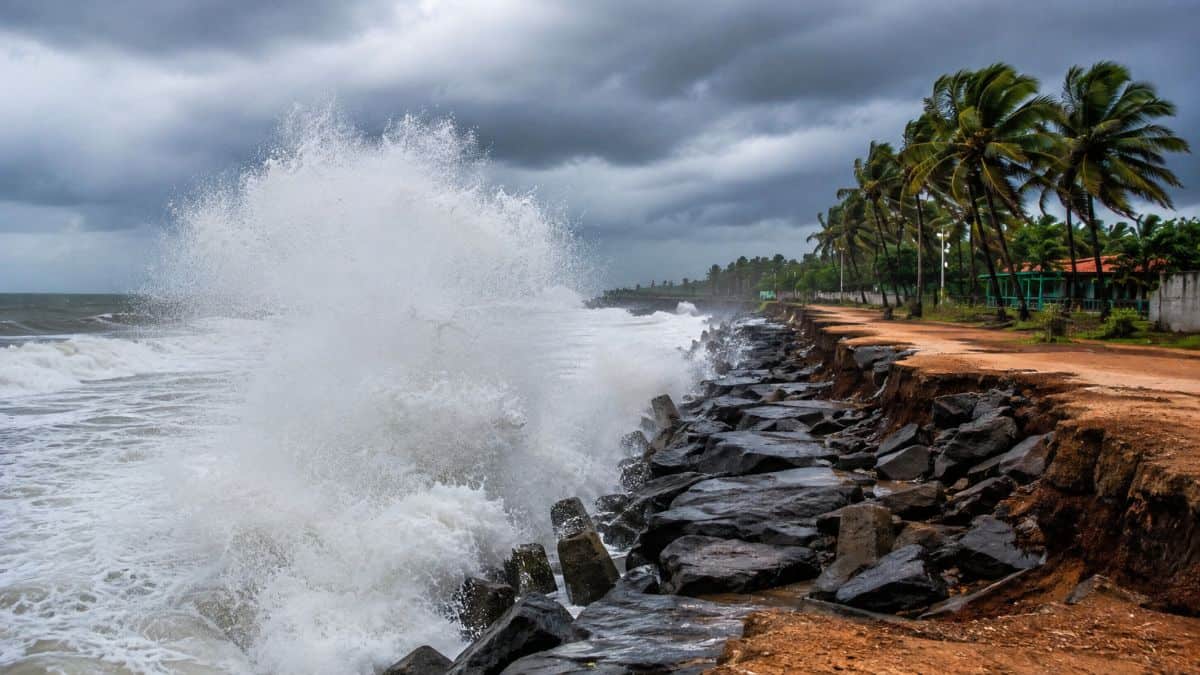
Kerala’s coastal tourism will be briefly disrupted due to safety concerns when the Indian National Centre for Ocean Information Services (INCOIS) issued a swell surge warning on August 19 and 20, covering Kerala, south Tamil Nadu and the Lakshadweep Islands. This warning indicates the potential of surges and flooding of coastal areas, and especially affects people planning trips to the beach, boating, and water recreational activities. INCOIS reported that high-period swells in the southern reaches of the Indian Ocean have reached the Kerala and south Tamil Nadu coasts. These swells are expected to continue to affect the coasts throughout August 20.
For people on vacation, one of the concerns of a swell surge is that large amounts of water can move nearest to beaches, even in the absence of significant local storms. INCOIS warned that operational and recreational activities at beaches and in the adjacent shallow areas should be suspended. Also, as a precaution, the alert recommended that both fishermen and people living in coastal areas be vigilant, and that small boats should avoid operating near the shore.
Advertisement
Advertisement
High-Period Swells Bring A Coastal Hazard To Kerala
The current situation is linked to long-period ocean swells travelling from the southern Indian Ocean towards the Indian coastline. Unlike ordinary locally generated wind waves, distant swells can travel considerable distances before reaching coastal waters. When these waves interact with the shape and depth of the nearshore environment, seawater can surge towards the beach and temporarily affect vulnerable coastal stretches.
INCOIS, an ocean information agency under the Ministry of Earth Sciences, provides ocean forecasts and specialised warnings covering high waves, swell conditions, cyclones and other marine hazards. Its services are designed to support coastal communities, fishermen and other ocean users during potentially dangerous conditions.
Advertisement
Advertisement
The latest warning therefore has implications beyond fishing activity. Coastal accommodation providers, tour operators and visitors should treat official marine advisories as an important part of travel planning whenever beach conditions deteriorate.
Kerala, South Tamil Nadu And Lakshadweep Under Watch
The warning applies to three important coastal and island tourism regions. Kerala has an extensive Arabian Sea coastline featuring beaches, waterfront resorts and recreational destinations. South Tamil Nadu includes coastal areas around the southern tip of the Indian peninsula, while Lakshadweep comprises island destinations where marine conditions can have an immediate effect on transport and tourism activities.
Advertisement
Advertisement
| Region | Risk highlighted | Travel implication |
|---|---|---|
| Kerala | Surging waves and possible inundation | Avoid beaches and nearshore activities |
| South Tamil Nadu | Coastal wave surge and flooding risk | Small vessels and recreational activities should be avoided |
| Lakshadweep | Swell-related wave activity | Exercise heightened caution around beaches and coastal waters |
The potential for inundation is particularly relevant to low-lying coastal locations. Water can move inland during individual surges, creating hazardous conditions for people standing close to the waterline or using small boats.
Beach Activities Suspended For Safety
INCOIS has advised that operational and recreational tourist activities at beaches and nearshore regions be totally suspended during the warning period. This means visitors should avoid swimming, boating, water sports and other activities that place them close to the sea.
Advertisement
Advertisement
The guidance is especially important for travellers who may assume that beaches remain safe because skies appear calm or because there is no severe cyclone directly over the destination. Swell conditions can originate from distant weather systems and still produce dangerous coastal wave behaviour
Hotels and tourism businesses operating near the shoreline can also help by communicating marine warnings to guests and discouraging access to exposed beaches until conditions improve.
Fishermen And Small Boat Operators Face Greater Exposure
Fishing communities are among the groups most directly exposed to swell surges. INCOIS has cautioned fishermen and coastal populations in affected areas to remain alert for intermittent surging of seawater, particularly around low-lying beaches and nearshore locations.
Small vessels face additional risks because rapidly changing wave conditions can make launching, landing and navigating close to shore more dangerous. INCOIS has advised that small vessels should not operate nearshore and that boats should be anchored with sufficient separation to reduce the possibility of collisions and damage.
Advertisement
Advertisement
For coastal travellers, the same principle applies: the shoreline should not be treated as a safe viewing point during an active swell surge warning.
What The Warning Means For Travellers
The advisory does not mean that every part of Kerala, south Tamil Nadu or Lakshadweep will experience flooding. Instead, it identifies a period when coastal areas, particularly low-lying locations, may experience sudden wave surges and seawater inundation.
Travellers with plans involving beaches should therefore prioritise inland sightseeing, museums, cultural attractions, restaurants and other activities away from exposed coastal areas where practical. Visitors staying at seaside properties should follow instructions issued by local authorities and accommodation operators rather than approaching the water to observe large waves.
The warning is expected to remain relevant from the evening of August 19 until the evening of August 20, according to INCOIS.
Coastal Safety Remains The Priority
The latest warning demonstrates why ocean information is increasingly important for India’s coastal tourism sector. Marine conditions can change independently of normal land-based weather expectations, and distant swells may create hazards that are not immediately obvious to visitors.
INCOIS’s wider ocean information services include high-wave and swell alerts, ocean-state forecasts and other marine advisories intended to support coastal communities and ocean users.
Advertisement
Advertisement
For now, the safest approach for visitors is to stay away from beaches and nearshore waters in affected areas, avoid small-vessel activity and follow official updates until the warning period concludes.
Frequently Asked Questions
1. Which regions are covered by the latest swell surge warning?
The warning covers Kerala, south Tamil Nadu and the Lakshadweep islands.
2. When is the swell surge expected to affect coastal areas?
The warning indicates that coastal impacts may occur from the evening of August 19 through the evening of August 20.
3. Can tourists visit beaches during the warning?
Advertisement
Advertisement
INCOIS has advised the total suspension of operational and recreational tourist activities at beaches and nearshore regions.
4. What causes a swell surge?
A swell surge can occur when long-period ocean waves generated by distant weather systems reach and interact with coastal waters.
5. Are low-lying coastal areas at risk of flooding?
Yes. INCOIS has warned that surging waves may cause inundation in low-lying coastal areas.
6. Should small boats operate near the coast?
Advertisement
Advertisement
No. INCOIS has advised that small vessels should not ply nearshore during the warning.
7. Does the warning affect Lakshadweep tourism?
Yes. Lakshadweep is among the regions covered by the swell surge warning, so visitors should exercise caution around beaches and coastal waters.
8. Should travellers cancel all trips to Kerala?
Not necessarily. The warning specifically concerns coastal and nearshore conditions, so travellers should reconsider beach and marine activities while following local advisories.
9. Why can swell conditions occur without a local cyclone?
Advertisement
Advertisement
Long-period swells can travel from distant parts of the ocean and reach a coastline even when a major storm is not directly affecting the destination.
10. Why is the INCOIS warning important for coastal tourism?
It provides specialised information about ocean conditions that can help authorities, tourism operators, fishermen and visitors make safer decisions during hazardous marine conditions.
Advertisement
