
Nepal Witnesses a Remarkable Tourism Comeback as Myagdi Reopens the Gateway to Mustang, Poon Hill and Annapurna

Published
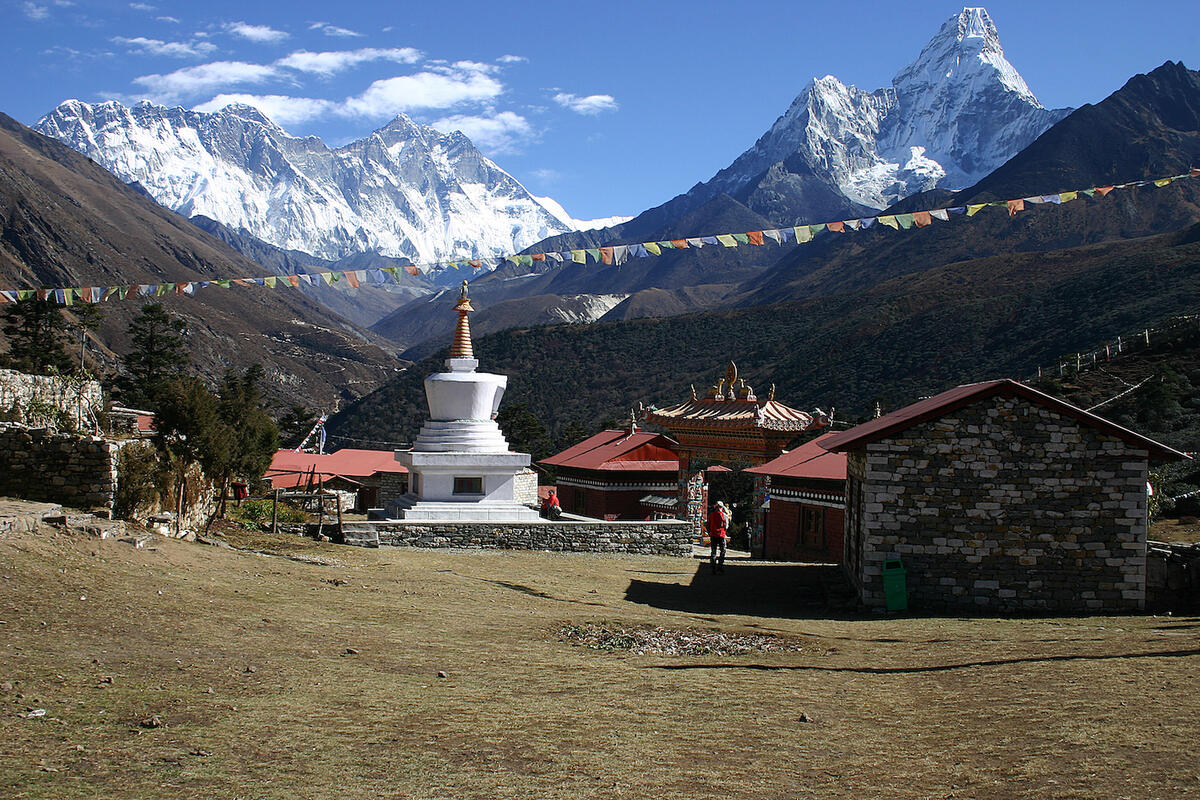
Nepal’s Myagdi district is experiencing a much-needed tourism revival in October 2026 as the reopening of the flood-damaged Beni–Jomsom road, improving autumn weather and increased travel during the Dashain–Tihar festival season bring visitors back to the Himalayan region. Following weeks of disruption caused by heavy rainfall, landslides and damaged mountain roads, domestic holidaymakers and trekking groups are returning to popular destinations such as Ghodepani, Poon Hill, Annapurna Base Camp and natural hot springs. The recovery is restoring visitor movement through Myagdi, an important gateway to Mustang, while creating fresh opportunities for hotels, transport operators, restaurants and local tourism businesses.
The improvement comes at an important time for Nepal’s tourism industry. October and November are traditionally among the most favourable months for Himalayan trekking, offering clearer skies, mountain views and comfortable walking conditions after the monsoon. However, the recovery remains uneven, with international visitor numbers still affected by earlier weather-related disruptions and damaged transport infrastructure.
Advertisement
Advertisement
Beni–Jomsom Road Reopens After Severe Monsoon Damage, Restoring a Critical Himalayan Tourism Lifeline
The restoration of the Beni–Jomsom road represents one of the most significant developments supporting tourism recovery in Myagdi. The highway forms part of the 202-kilometre Beni–Jomsom–Korala corridor, connecting communities in Parbat, Myagdi and Mustang with Nepal’s northern border region. Heavy rainfall during late September caused extensive damage along the corridor. Floods, landslides and riverbank erosion disrupted more than 50 locations, while the Kali Gandaki River damaged or washed away sections of the road at approximately 10 locations.
One particularly difficult section near Kunaunta experienced around 250 metres of road erosion. Other damaged areas included Pokharebagar, Ratopani and sections passing through steep mountain terrain. Repair teams deployed excavators, loaders and tipper vehicles to clear debris, rebuild damaged approaches and restore vehicle movement. Emergency access was prioritised before wider traffic operations resumed. The reopening has allowed travel activity to recover, although certain vulnerable sections remain subject to restrictions and further maintenance.
Advertisement
Advertisement
Dashain–Tihar Festival Travel Sparks a Domestic Tourism Revival Across Myagdi
Domestic visitors are playing a leading role in Myagdi’s tourism recovery. Following the Bada Dashain celebrations, improved weather and restored road access have encouraged families, holidaymakers, students and trekking groups to resume journeys into the Himalayan district. The Dashain–Tihar holiday period is an important travel season in Nepal. Many residents use the extended festival period to visit relatives, explore natural attractions and undertake religious journeys.
This seasonal demand is helping local businesses recover after a difficult period when landslide blockages brought tourist movement close to a standstill in affected areas. Hotels, tea houses, roadside restaurants and transport operators are beginning to benefit from renewed visitor activity. Popular destinations such as Ghodepani, Poon Hill and the wider Annapurna region are once again attracting travellers. International visitors are also returning gradually. However, foreign tourist activity has not yet fully recovered from the effects of flooding and disrupted access across parts of the Himalayan region.
Advertisement
Advertisement
Ghodepani, Poon Hill and Annapurna Base Camp Welcome Returning Trekkers
Myagdi’s trekking attractions are benefiting from the improvement in accessibility and weather conditions. The Ghodepani–Poon Hill–Ghandruk route remains one of the most recognised trekking experiences in Nepal’s Annapurna region. The trail passes through mountain settlements, forest landscapes and traditional villages before reaching viewpoints overlooking the Himalayan ranges. Poon Hill, commonly reported at approximately 3,210 metres above sea level, is particularly popular for sunrise views of the Annapurna and Dhaulagiri mountains. The viewpoint is accessible from Ghodepani through a relatively short uphill walk, making it attractive to visitors seeking a Himalayan trekking experience without undertaking a long expedition.
The route has reportedly reopened for trekking following repairs and clearance work. Nevertheless, travellers should continue checking local trail conditions because mountain weather and landslide risks can change. The wider Annapurna region is also experiencing renewed domestic interest. Recent local reporting indicates that approximately 150 domestic tourists visited Annapurna Base Camp following improvements in access. This renewed activity is important for mountain communities where trekking guides, porters, accommodation providers and food businesses depend on seasonal visitor spending.
Mustang Tourism Gains Fresh Momentum as Travel Through Myagdi Resumes
The recovery of transport services through Myagdi has wider implications for tourism in Mustang. Beni serves as a gateway for travellers heading towards Jomsom, Muktinath and other destinations in the Kali Gandaki valley. Road disruptions in Myagdi can therefore affect tourism businesses and visitor movement well beyond the district. Mustang’s tourism industry experienced a substantial decline during the recent period of flooding and transport interruptions. Reported district police figures show that Mustang received 69,403 domestic and international visitors between mid-July and mid-October 2026, compared with 118,685 during the corresponding period in the previous year.
This represents a decline of approximately 41.5 per cent, demonstrating the scale of disruption affecting tourism demand and accessibility. The reopening of the Beni–Jomsom corridor provides an opportunity to rebuild visitor movement. However, the recovery will depend on reliable road conditions, continued repairs and confidence among travellers. Mustang remains attractive for its high-altitude landscapes, Buddhist and Hindu pilgrimage destinations, mountain settlements and distinctive Himalayan culture.
Singa Tatopani Hot Springs Reopen, Expanding Myagdi’s Wellness Tourism Opportunities
Beyond trekking and mountain sightseeing, Myagdi is also attracting visitors through its natural hot springs. Singa Tatopani Kunda, a recognised thermal bathing destination, has reportedly reopened after flood damage temporarily interrupted operations. The reopening adds another attraction to the district’s recovering tourism network and provides visitors with an alternative to high-altitude trekking. Natural hot springs are an established part of Nepal’s domestic leisure and wellness tourism traditions. Visitors commonly use these sites for bathing, relaxation and rest during longer journeys.
Other thermal destinations, including Bhurung-Tatopani and Paudhar Tatopani Kunda, also contribute to Myagdi’s visitor economy. Bhurung-Tatopani is particularly relevant to travellers moving through the Beni–Jomsom corridor, while hot spring experiences across the Annapurna region provide opportunities to combine trekking with relaxation. These destinations can encourage longer stays and generate spending in communities outside the main trekking centres. Although thermal bathing is traditionally associated with relief from physical discomfort, claims about treating specific illnesses should not be confused with medically established outcomes.
Advertisement
Advertisement
Hotels, Tea Houses and Transport Businesses Begin Recovering From the Tourism Shutdown
The reopening of roads and return of travellers are helping restore economic activity across Myagdi’s tourism supply chain. During the worst periods of monsoon disruption, damaged roads prevented many visitors from reaching hotels, trekking destinations and mountain settlements. The consequences extended beyond accommodation providers. Transport businesses, roadside restaurants, fuel suppliers, guides and small retailers also faced reduced activity.
Tea houses near attractions such as Rupse Waterfall are seeing visitors return, while reopened roads are supporting jeep, bus and motorcycle travel towards Mustang. For local businesses, the recovery is especially important because the autumn trekking season represents a major period of commercial activity.
The main sectors benefiting from improved accessibility include:
- Accommodation: Hotels, lodges and tea houses are receiving returning visitors after the disruption.
- Transport: Road reopening supports passenger vehicles, tourism jeeps and essential supply deliveries.
- Trekking services: Guides, porters and local operators can resume activities along accessible routes.
- Food and retail: Restaurants, tea shops and small traders benefit from increased visitor movement.
- Wellness tourism: Reopened hot springs provide additional reasons for travellers to visit and stay longer.
However, the available information does not establish district-wide hotel occupancy rates or the total revenue recovered since the reopening.
Myagdi Tourism Recovery: Key Developments and Their Impact
| Tourism segment | Latest reported development | Impact on travel and tourism |
|---|---|---|
| Beni–Jomsom road | Reopened following flood and landslide repairs, with some restrictions | Restores access towards Mustang and northern Myagdi |
| Domestic tourism | Visitor activity increased after Bada Dashain | Supports hotels, restaurants and local transport |
| International tourism | Gradual recovery following earlier disruption | Autumn trekking demand remains important |
| Ghodepani–Poon Hill | Trekking activity resumes following trail clearance | Supports guides, tea houses and mountain tourism |
| Annapurna Base Camp | Approximately 150 domestic visitors reported recently | Indicates renewed domestic trekking interest |
| Mustang | Visitor arrivals declined approximately 41.5% during the reported three-month period | Highlights the importance of reliable road access |
| Singa Tatopani Kunda | Reportedly reopened after flood damage | Restores a local hot spring attraction |
| Bhurung-Tatopani and Paudhar | Continue to feature in regional tourism activity | Diversify the visitor experience |
| Local infrastructure | Road and footpath repairs remain ongoing | Improves accessibility and supports tourism recovery |
What Happens Next as Nepal Prepares for the Rest of the Autumn Tourism Season?
The immediate priority for Myagdi is to maintain reliable access while visitor activity continues through the autumn season. Although emergency road repairs have restored important connections, permanent reconstruction and slope protection remain essential in areas affected by flooding, erosion and landslides. The Department of Roads has documented extensive damage along the Kali Gandaki corridor, underlining the continuing need for infrastructure improvements.
For international visitors, route accessibility and weather conditions remain important considerations when planning journeys through Myagdi towards Mustang or the Annapurna region. The recovery also presents opportunities to strengthen tourism beyond traditional trekking. Natural hot springs, religious attractions, village experiences and scenic road journeys can help distribute visitor spending across more communities.
Advertisement
Advertisement
Nevertheless, the sharp decline in Mustang arrivals demonstrates that reopening a road does not immediately restore previous tourism levels. The coming weeks will therefore be important in determining how much visitor demand returns before the onset of colder winter conditions. Myagdi’s tourism revival illustrates the close relationship between infrastructure, seasonal travel and local livelihoods in Nepal’s Himalayan districts. With roads reopening, domestic visitors returning and trekking activity resuming, the district is moving towards recovery, although sustained growth will depend on continued investment in safe and reliable access.
Advertisement
