
Colorado Hairy October Secret: La Junta Tarantulas Turn the Prairie Into a Wild Travel Stage

Published
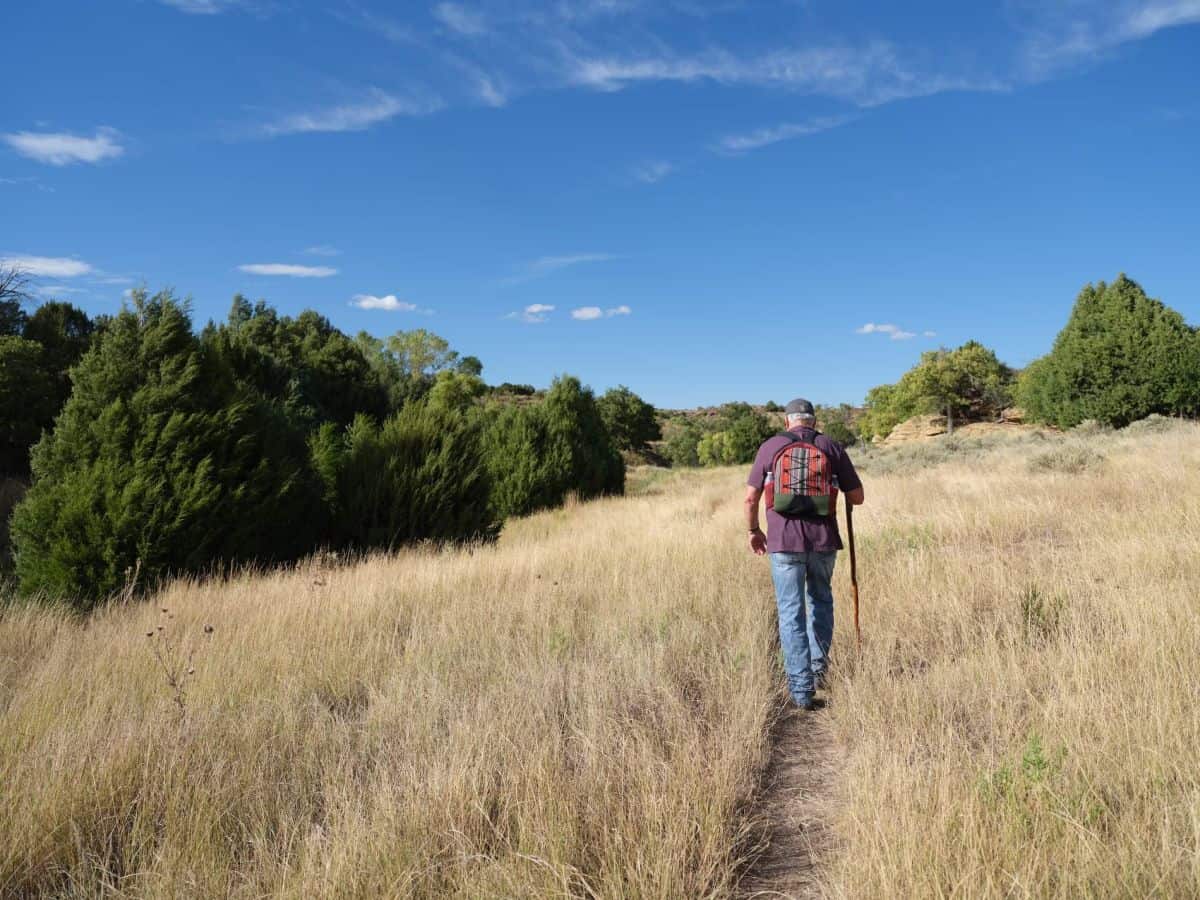
image credit: visitlajunta
There is a strange travel story unfolding every autumn in southeastern Colorado. In La Junta, visitors arrive not to see a famous mountain or a grand monument. They come to look at the ground. This is where large male tarantulas leave their burrows and move across the prairie in search of females. The unusual sight has turned a quiet part of Colorado into a seasonal wildlife destination. The main viewing period runs from mid-September through October and can continue into early November when weather conditions allow. The most active time is usually the hour before sunset.
Advertisement
Advertisement
La Junta’s Strange Autumn Visitor
At first, the idea sounds simple. Thousands of tarantulas are said to be moving across Colorado. But the real story is more interesting. Scientists and local tourism officials explain that this is not a normal migration. The spiders are not travelling to find a new home. Mature males are searching for females during their annual mating season. This is why the event is often better described as a mating expedition.
A Journey Years in the Making
The male tarantulas do not begin this journey when they are young. They spend years living in the grassland before reaching sexual maturity. Local tourism information says males begin this mating behaviour at around eight to 10 years of age. Research linked to Eastern Michigan University has also examined the movement and behaviour of these males during the mating period. After reaching maturity, males begin travelling in search of females. Their journey is therefore a small but important part of a much longer life cycle.
Advertisement
Advertisement
The females live very differently. They remain close to their burrows and spend much of their lives there. Their burrows can remain in place for many years. This is one reason healthy, undisturbed prairie is so important to the local tarantula population.
The Prairie Is Part of the Attraction
The setting around La Junta plays a major role in the spectacle. The Comanche National Grassland stretches across a huge area of southeastern Colorado. It contains broad sections of native prairie where tarantulas can create and maintain underground burrows. According to Colorado State University Extension, tarantulas in southeastern Colorado are strongly associated with prairie areas, while cultivation can destroy the habitat they need.
Advertisement
Advertisement
The landscape therefore does more than provide a backdrop. It supports the spiders themselves. The untouched ground gives female tarantulas places to build and maintain their burrows. During the day, a spider may stay hidden underground. As evening approaches, a mature male may appear and begin crossing the open grassland.
Why Visitors Look Around at Dusk
Timing matters for anyone hoping to see the tarantulas. Visit La Junta recommends arriving about an hour before dusk. Warm weather can increase the chances of activity, while strong wind may make sightings less likely. This is not a wildlife show with guaranteed results. A visitor might see several tarantulas. Another visitor may see only one. Some people may see none.
That uncertainty makes the experience feel more like wildlife watching than a normal tourist attraction. Visitors have to slow down, scan the ground and pay attention to movement. A large hairy spider crossing the prairie can suddenly become the main event.
Meet the Colorado Brown Tarantula
The tarantulas commonly associated with La Junta are often called Colorado brown tarantulas. They are linked to the genus Aphonopelma, with Aphonopelma hentzi, also known as the Oklahoma brown tarantula, among the species reported from southeastern Colorado. Local researchers and tourism officials use the term “Colorado Brown” for the tarantulas found around La Junta.
These spiders can look intimidating. They are large, dark and covered in fine hairs. Yet appearance can be misleading. Colorado State University Extension says tarantulas are generally not aggressive. They can defend themselves when handled or seriously threatened, including by releasing irritating hairs from the abdomen.
La Junta Turns Nature Into a Travel Story
The spiders have now become part of La Junta’s tourism identity. The town hosts an annual Tarantula Fest in late September. The 2026 festival took place on 25 and 26 September and included guided tarantula tours, an education pavilion, a parade, vendors, live art and other community activities.
Advertisement
Advertisement
The response shows how powerful an unusual wildlife event can become. Visit La Junta reported that the 2026 guided tours sold out. Rocky Mountain PBS reported that tickets for this year’s tarantula bus tours sold out in only three minutes. The festival has therefore become much more than a local curiosity. It is helping bring visitors to a destination that may not otherwise appear on a typical Colorado travel map.
Science Is Helping Change the Story
Research is also giving the tarantulas a new place in public conversation. Eastern Michigan University biology professor Cara Shillington has worked with tarantulas in the La Junta region and has studied their behaviour and relationship with their environment. Her work also aims to reduce fear around arachnids through education.
Other university research has examined tarantula activity, movement and the environmental conditions connected to their behaviour. This creates an unusual meeting point between tourism and science. Travellers come to see the spiders, while researchers come to understand them.
Watch Wildlife Without Disturbing It
The experience comes with an important responsibility. These are wild animals, not performers. Visitors should not pick up tarantulas, block their path or disturb their burrows. They should also respect private land, fences and gates.
Road safety is another concern. Tarantulas may cross roads, but stopping carelessly to photograph them can create risks for both visitors and drivers. The best experience is therefore a simple one: watch from a safe distance and leave the spider alone.
Why La Junta’s Tarantula Season Matters
The story of La Junta shows how travel can grow around something that most people would never expect. There is no giant attraction here. There is no artificial spectacle. The main event is a natural behaviour that happens for a short time each year.
Advertisement
Advertisement
That is exactly what makes it special. In a world filled with crowded tourist attractions, La Junta offers something unusual. It asks travellers to slow down and notice a creature that usually stays hidden.
As autumn moves across southeastern Colorado, the prairie becomes a stage. The actors are small by nature, but impossible to ignore once you notice them. And for a few weeks each year, one Colorado town gives travellers a very different reason to keep their eyes on the ground.
Advertisement
