

Zambia’s Anantara Tented Camp Kafue River Brings A Stunning New Era Of Luxury Travel To The Wilds Of Africa

Published
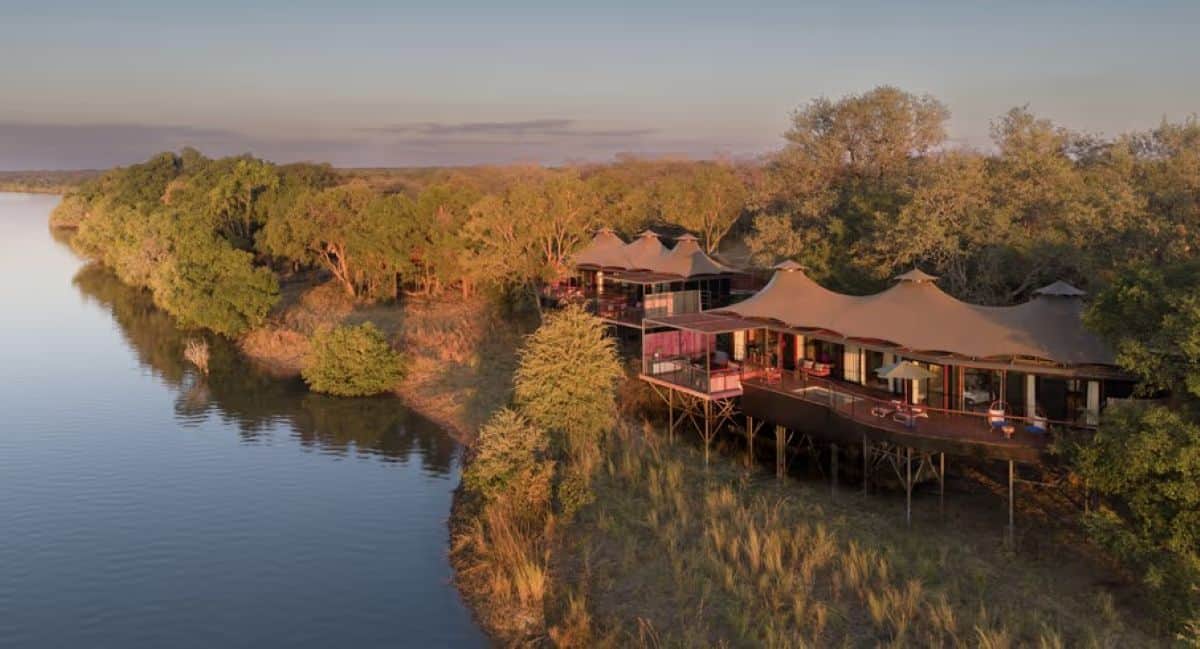
There is a almost sacred silence that settles over Zambia Kafue National Park just before dawn a stillness that whispers of ancient untamed Africa. Standing on the edge of this forgotten wilderness you realize why the arrival of Anantara Tented Camp Kafue River feels less like a hotel opening and more like a gentle awakening. This is a place where luxury finally learns to whisper of shout. Crafted carefully by Meg Ralph Spaces, these elevated suites rise gracefully above the bush inviting you to trade the noise of the world, for the breathing beating heart of the wild.
Understanding the Groundbreaking Introduction to the New Eco-Lodge Phenomenon That Is Quietly Transforming Modern Tourism Standards Across the Global Hospitality Landscape
Advertisement
Advertisement
When examining contemporary luxury hospitality trends, financial commentators and industry analysts frequently observe that the grand launch of the Anantara Tented Camp Kafue River fundamentally redefines high-end travel benchmarks. Observers report that this magnificent wilderness property is meticulously Situated in Zambia’s Kafue National Park, which is widely recognized as one of Africa’s largest, most pristine, and least explored wildernesses. Experts emphasize that this visionary development successfully bridges the delicate gap between ultra-luxury accommodation and strict ecological conservation demands. Commentators highlight that international travelers seeking authentic yet opulent escapes will find this exceptional destination completely transformative for the regional tourism market, setting a brand-new standard for how luxury and nature can coexist seamlessly.
Furthermore, industry insiders explain that the physical blueprint and layout of the camp reflect an absolute masterclass in innovative ecological architecture. Reports indicate that the property was expertly Designed by Meg Ralph Spaces, where the entire camp is elevated on sturdy rosewood platforms ranging from 3.5 to 14.3 meters high to actively protect vital wildlife corridors and migration paths below. Financial analysts point out that while maintaining a remarkably low-impact, sustainable footprint, the entire estate operates entirely on renewable solar power. Market researchers suggest that this pioneering green-energy integration sets a powerful precedent for future hospitality projects across the continent, proving that high-end indulgence does not have to come at the expense of our natural environment.
Advertisement
Advertisement
Comprehensive Analysis of Exclusive Accommodations and Immersive Wilderness Experiences That Are Shaping Worldwide Traveler Behavior
Shifting the focus toward guest accommodations, travel experts observe that the property introduces a peerless and unprecedented level of comfort to remote African landscapes. Reports indicate that the lodge proudly Features high-altitude suites and villas—including signature Horizon Terrace Suites accessed by glass elevators featuring enchanting star beds, Pool & Bush Villas equipped with private heated plunge pools, and an expansive 400+ square meter Presidential Villa. Tourism economists suggest that these diverse, ultra-exclusive lodging options cater precisely to high-net-worth individuals seeking absolute privacy, architectural grandeur, and total seclusion in untouched natural habitats.
Advertisement
Advertisement
In terms of daily itineraries, hospitality columnists note that the guest journey is thoughtfully curated to maximize complete immersion without disturbing the surrounding ecosystem or wildlife. Observers mention that the camp expertly Offers twice-daily game drives led by expert guides, thrilling river safaris, exclusive bush picnics, and rejuvenating wellness treatments entirely without the typical safari crowds. Global travel forecasters predict that as international tourists increasingly prioritize uncrowded, wellness-oriented, and eco-conscious adventures, properties of this caliber will heavily influence consumer behavior, booking trends, and hospitality investments on a worldwide scale for decades to come.
Analyzing the Grand Geographical Scale and Historic Significance of Kafue National Park Within African Conservation
When examining the geographical magnitude and rich heritage status of the region, conservation analysts note that Kafue National Park stands as a towering pillar of wilderness preservation. Situated deeply within Zambia, this massive sanctuary spans an impressive 22,400 square kilometers, earning its official reputation as the nation’s oldest and largest protected wildlife reserve since its establishment in the 1950s. Industry experts point out that its sheer physical size dwarfs many traditional safari destinations across the continent, offering vast, uninterrupted terrain that remains an absolute cornerstone for central African biodiversity preservation. Observers emphasize that protecting such an expansive, untamed ecosystem ensures the long-term survival of countless indigenous species while offering an authentic frontier experience that modern travelers increasingly crave.
Furthermore, environmental historians highlight that the park’s unique river systems and diverse habitats have historically served as a critical refuge for rare and endangered fauna. Analysts explain that the landscape features a complex mosaic of open grassy floodplains, dense woodlands, and winding river networks that naturally support remarkably high concentrations of wildlife. Tourism economists suggest that the sheer scale of the reserve allows conservation authorities to implement large-scale habitat management programs without the overcrowding pressures frequently observed in smaller, more commercialized parks. Consequently, travelers visiting this remote enclave witness an undisturbed natural order where ecological integrity takes permanent precedence over mass tourism development.
Understanding the Precise Architectural Footprint and Elevated Timber Engineering Protecting Local Wildlife Corridors
Shifting the focus to structural innovation, architectural critics observe that the physical blueprint of the new lodge represents a masterclass in low-impact design. Reports indicate that the entire development relies on 13 exclusive luxury keys constructed carefully upon engineered timber and rosewood platforms elevated precisely between 3.5 meters and 14.3 meters above the ground. Structural engineers explain that this significant elevation clearance ensures local mammal populations, including migrating elephants and delicate antelopes, retain their ancient, unhindered movement paths directly beneath the guest suites. Observers note that this thoughtful engineering approach successfully eliminates habitat fragmentation while providing visitors with elevated vantage points over the pristine wilderness.
Advertisement
Advertisement
In addition to protecting wildlife corridors, building experts emphasize that the construction methodology minimizes soil compaction and root damage across the delicate riverbank ecosystem. Financial analysts report that utilizing raised platforms allows the natural hydrology of the area to function without disruption during seasonal rains and rising river levels. Market researchers suggest that this meticulous attention to structural harmony sets a groundbreaking standard for future sustainable developments, proving that high-end hospitality can be achieved through profound respect for the surrounding natural environment.
Exploring the Comprehensive Breakdown of Square Metrage and Suite Typologies Designed for Ultimate Seclusion
Examining the interior dimensions and spatial layouts, hospitality designers note that the property offers an exquisite range of accommodations tailored for maximum comfort and privacy. Documentation reveals that accommodation sizes range meticulously from 65 square meters for signature Horizon Terrace Suites up to 115 square meters for individual Bush Pool Villas and Kafue Pool Villas, culminating in the grand 400 square meter Anantara Presidential Villa which features exclusive boat access and multi-tiered river viewing platforms. Real estate analysts point out that these generous spatial allocations provide high-net-worth guests with an extraordinary sense of personal space, ensuring that luxury feels both expansive and deeply intimate.
Furthermore, interior specialists explain that each suite is thoughtfully positioned to maximize panoramic views of the surrounding river and bushland while maintaining absolute visual isolation from neighboring structures. Observers report that the incorporation of open-air living areas, private plunge pools, and glass elevators seamlessly bridges indoor elegance with untamed exterior beauty. Tourism forecasters suggest that discerning travelers will increasingly demand this specific balance of immense square footage and absolute privacy when selecting high-end wilderness retreats across global travel markets.
Evaluating the 100% Off-Grid Renewable Solar Infrastructure Integration Driving Modern Sustainable Luxury
Analyzing the energy frameworks behind the property, green technology experts observe that the entire estate operates on an independent micro-grid system utilizing 100% solar power generation combined with advanced battery storage banks. Energy consultants point out that this sophisticated setup slashes carbon emissions by an estimated 95% compared to traditional diesel-generator-dependent bush camps operating within remote African reserves. Observers note that transitioning away from fossil fuels in such an isolated location demonstrates a genuine corporate commitment to environmental stewardship without compromising the seamless delivery of luxury amenities to guests.
Advertisement
Advertisement
Moreover, financial analysts highlight that this heavy investment in renewable infrastructure yields long-term operational resilience against rising fuel transport costs in distant regions. Market researchers suggest that eco-conscious travelers actively seek out properties powered by clean energy, making this technological integration a powerful competitive advantage. Commentators predict that as global sustainability regulations tighten, this forward-thinking solar model will inspire similar off-grid innovations throughout the international hospitality sector.
Assessing Rare Avian Biodiversity and Endemic Species Protection Within the Surrounding Riverine Ecosystem
Shifting attention to wildlife diversity, ornithologists and conservationists emphasize that the surrounding riverine habitat serves as a vital sanctuary for an astonishing array of birdlife. Field reports confirm that the region supports over 490 recorded bird species, prominently featuring rare regional endemics such as the elusive Chaplin’s Barbet, which draws dedicated ornithological researchers and specialized wildlife photographers from across the globe. Observers note that the pristine condition of the riverbanks provides an ideal nesting and feeding ground, ensuring that fragile avian populations thrive undisturbed by heavy industrial or agricultural activities.
In addition to birdwatching appeal, wildlife biologists report that the broader ecosystem supports diverse raptor populations and aquatic species that rely on clean, unpolluted water channels. Tourism experts suggest that incorporating specialized bird-guided excursions adds significant depth to the guest experience, appealing to travelers who value educational and nature-focused itineraries over standard game viewing. Analysts conclude that protecting these specialized micro-habitats reinforces the region’s status as a premier destination for holistic ecological tourism.
Reviewing Immersive Low-Density Guest-to-Wilderness Ratios and Their Impact on Over-Tourism Mitigation
Analyzing visitor management strategies, hospitality economists observe that the camp actively combats the pressures of modern over-tourism by capping total maximum occupancy at fewer than 30 guests across the entire property footprint. Industry analysts explain that maintaining this ultra-low guest density ratio guarantees private game viewing experiences and eliminates vehicle congestion at wildlife sightings—a frustrating and common challenge in heavily visited East and South African parks. Observers emphasize that fewer guests per square kilometer translates directly into calmer animal behavior and a much more authentic, peaceful wilderness encounter for every visitor.
Advertisement
Advertisement
Furthermore, travel psychologists note that low-density environments foster a deeper, more mindful connection between the traveler and the natural surroundings. Market researchers suggest that high-net-worth individuals are increasingly willing to pay a premium for guaranteed exclusivity and solitude, driving a major shift away from crowded tour groups. Forecasters predict that this exclusive capacity model will become the benchmark for elite safari lodges aiming to preserve both guest satisfaction and wildlife welfare.
Analyzing Riverine Safari Logistics and Aquatic Exploration Metrics Along the Pristine Waterways
Examining the unique water-based activities available, maritime logistics experts note that the camp utilizes specialized silent electric-drive watercraft for its signature river safaris along the winding Kafue River. Marine engineers explain that transitioning to electric propulsion reduces acoustic disturbance underwater by up to 80% compared to traditional outboard motorboats, allowing guests to approach hippopotamuses, Nile crocodiles, and aquatic birds closely without disrupting their natural behaviors. Observers highlight that this quiet mode of transport transforms river navigation into a serene, meditative journey through untouched aquatic landscapes.
In addition to technological efficiency, safari specialists report that water-based excursions offer a completely different perspective on the park’s ecosystem, revealing hidden wildlife habits that land vehicles cannot reach. Tourism commentators suggest that blending traditional land game drives with low-impact river safaris creates a well-rounded itinerary that satisfies adventurous travelers seeking diverse exploration methods. Analysts predict that silent electric boating will rapidly set a new standard for eco-tourism operations worldwide.
Investigating Economic Impact and Local Community Employment Integration Within Surrounding Zambian Regions
Evaluating the socio-economic footprint of the development, labor economists observe that the resort’s operational model commits over 85% of its workforce to hiring nationals from surrounding Zambian communities. Industry specialists explain that comprehensive training programs ensure local staff occupy skilled management and guiding roles, fostering genuine regional empowerment rather than superficial tokenism. Observers note that direct employment injects stable financial resources into local households, elevating living standards across the neighboring districts.
Advertisement
Advertisement
Moreover, philanthropic advisors point out that a designated percentage of nightly resort revenues is funneled directly into local anti-poaching units and community-led anti-human-wildlife conflict buffer programs across the Central Province. Market researchers suggest that travelers increasingly prioritize properties that demonstrate tangible social responsibility and community partnership. Analysts conclude that aligning luxury tourism success with local grassroots welfare creates a resilient, harmonious ecosystem where both wildlife and human populations thrive together.
The Final Verdict
As the sun sinks low behind the trees in Zambia it casts a bruised amber glow, over the winding Kafue River. You stand there and you feel it. Leaving this place will carry a piece of your soul with it. The Anantara Tented Camp Kafue River is not a place to stay. It is a living reminder of what happens when people step back and let nature breathe.
Advertisement
