
Brazil Reveals A New Border Tourism Era As Untapped Regions Prepare For Global Travellers

Published
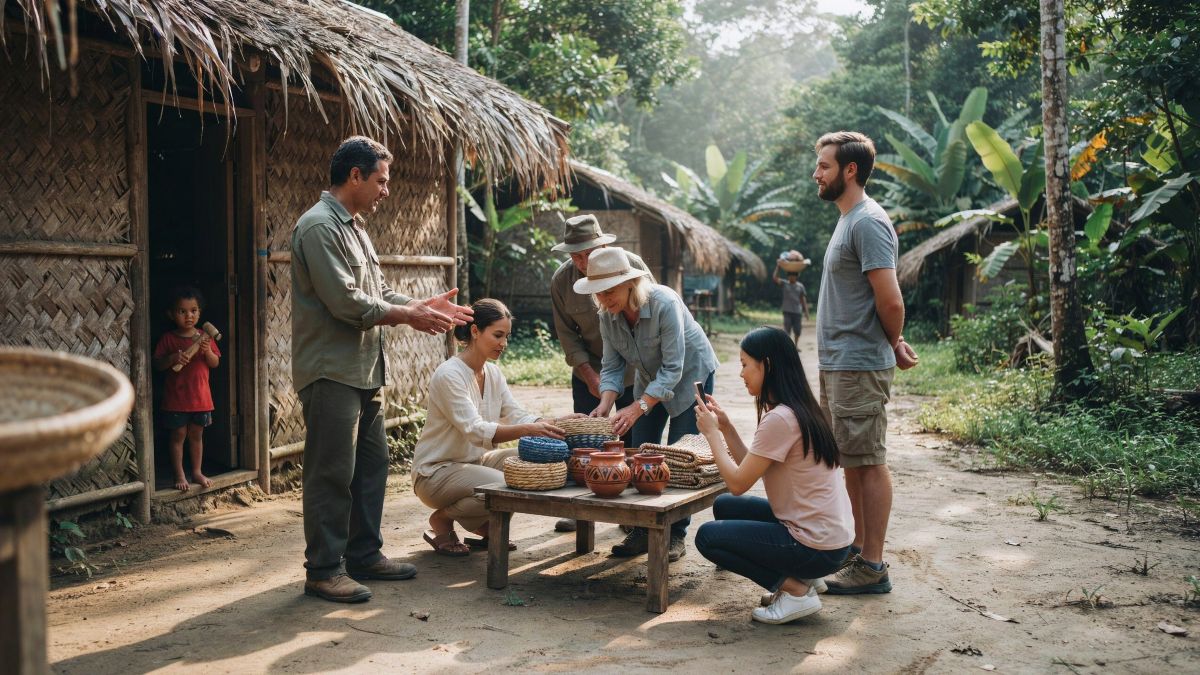
A new era of tourism in Brazil is about to begin, as a new tourism era in borders is discovered through the emergence of unexplored territories that are about to open up to the world travelers. Brazil is now presenting new possibilities for tourists in the form of unexplored frontiers full of culture, nature, and other attractions. It is through this new concept of border tourism in Brazil that unexplored territories are getting highlighted as potential tourism destinations. This tourism concept of Brazil is indicating the potential of unexplored territories in terms of tourism sustainability.
Brazil Targets Untapped Border Regions for the Next Tourism Growth Wave
Brazil has long attracted millions of travellers through famous destinations such as Rio de Janeiro, São Paulo, the Amazon rainforest and coastal regions.
Advertisement
Advertisement
However, many border areas remain less explored by international tourists.
These frontier destinations hold enormous potential. They offer natural landscapes, cultural diversity and experiences that cannot be found in traditional tourism centres.
Advertisement
Advertisement
The new strategy aims to identify how these regions can welcome more visitors while protecting their unique identity.
Border tourism is different from conventional tourism. It combines multiple influences. A traveller can experience different cultures, languages and traditions within one journey.
Advertisement
Advertisement
Brazil sees this diversity as a major opportunity.
The country is studying how border communities can develop tourism products based on their own strengths. These may include nature tourism, cultural experiences, community visits and adventure travel.
The focus is not simply on increasing visitor numbers. It is about creating meaningful travel experiences that benefit local populations.
The initiative represents a shift towards more balanced tourism development. It moves attention from crowded destinations towards emerging regions with strong cultural and environmental value.
Three Major Border Corridors Become the Focus of Brazil’s Tourism Vision
Brazil’s border tourism strategy covers three important frontier areas.
The first region includes southern border zones connected with Argentina and Uruguay.
Advertisement
Advertisement
This area has strong cultural links and long-standing connections between communities. Visitors can experience shared traditions, food, landscapes and regional heritage.
The second region covers northern border areas connected with Guyana, Suriname and French Guiana.
This region offers exceptional natural attractions. The Amazon environment creates opportunities for ecological tourism, wildlife experiences and cultural journeys.
The third region focuses on western borders connected with Peru and Bolivia.
These areas provide access to unique landscapes and communities with deep historical connections.
Each region has different tourism needs.
Advertisement
Advertisement
Some locations may require improved transport links. Others may need stronger accommodation options, visitor information centres or professional tourism training.
By creating individual studies for each area, Brazil can develop more suitable tourism solutions.
A single approach cannot work for every border destination. Each region has its own challenges, opportunities and identity.
Border Tourism Could Create New Economic Opportunities for Local Communities
One of the biggest goals of Brazil’s strategy is supporting local communities.
Tourism can create new income opportunities for small businesses, guides, accommodation providers, restaurants and cultural operators.
Many border communities are located far from Brazil’s largest cities. Tourism can help bring economic activity to these areas.
Advertisement
Advertisement
Local residents can become key participants in tourism development.
Community-based tourism allows visitors to experience authentic lifestyles while supporting local economies.
For example, traditional food, cultural events, local crafts and nature-based activities can become valuable tourism products.
However, responsible growth remains important.
Many border regions contain sensitive ecosystems and valuable cultural heritage. Tourism development must protect these resources.
Brazil’s approach focuses on sustainable tourism development.
Advertisement
Advertisement
The aim is to create destinations that remain attractive for future generations.
A successful tourism model is not only measured by visitor numbers. It is also measured by local benefits, environmental protection and long-term value.
Better Connectivity and Visitor Services Could Transform Frontier Travel
Connectivity is one of the biggest challenges facing border tourism.
A destination may have beautiful landscapes and unique cultural experiences, but travellers need reliable transport, clear information and quality services.
Brazil’s border tourism plans are examining these important areas.
Better connectivity does not only mean roads and airports. It also includes digital travel information, tourism signs, trained workers and easier visitor movement.
Advertisement
Advertisement
International travellers often avoid lesser-known destinations when travel planning becomes complicated.
Clear information can increase confidence.
Visitors need to understand how to reach destinations, where to stay and what experiences are available.
Improved tourism services can help border regions compete in the global travel market.
The visitor journey begins before arrival. Online information, booking options and local support all influence travel decisions.
Brazil’s strategy recognises that developing tourism requires attention to every stage of the traveller experience.
Advertisement
Advertisement
Brazil’s International Tourism Growth Creates Strong Momentum for Expansion
The border tourism initiative arrives during a period of continued development in Brazil’s international tourism sector.
The country has been strengthening its position as a global travel destination.
International visitors continue to show interest in Brazil’s natural attractions, cultural experiences and adventure opportunities.
However, tourism growth must spread beyond traditional destinations.
Major cities and famous attractions often receive the highest visitor concentration. Emerging regions can help create a more balanced tourism economy.
Border tourism provides a pathway to achieve this goal.
Advertisement
Advertisement
By developing new destinations, Brazil can offer travellers different experiences while supporting communities outside major tourism centres.
The strategy also reflects changing traveller behaviour.
Modern tourists increasingly search for authentic experiences. They want local culture, nature and meaningful connections.
Brazil’s border regions match these growing travel trends.
They offer landscapes, traditions and stories that remain largely undiscovered by international visitors.
South American Cooperation Could Strengthen Future Travel Experiences
Brazil’s border tourism plans also connect with broader regional cooperation efforts.
Advertisement
Advertisement
South America shares many natural and cultural assets that extend beyond national borders.
Forests, rivers, mountains and traditional communities often connect neighbouring countries.
This creates opportunities for multi-country tourism experiences.
Travellers may increasingly seek journeys that combine several destinations in one trip.
Border cooperation can support these experiences.
However, successful tourism integration requires more than geographical connections.
Advertisement
Advertisement
Destinations need strong infrastructure, visitor services, safety measures and cooperation between different authorities.
Tourism growth depends on practical improvements.
Better coordination can help create smoother travel experiences across borders.
For Brazil, this represents a chance to strengthen its role in South American tourism while supporting regional development.
Sustainability Becomes the Heart of Brazil’s New Tourism Approach
Brazil’s border tourism vision places sustainability at the centre of future growth.
Many frontier regions contain some of the country’s most valuable natural and cultural resources.
Advertisement
Advertisement
The Amazon border areas, for example, require careful tourism management because of their environmental importance.
Responsible tourism can create economic opportunities while protecting ecosystems.
Travellers today are increasingly interested in sustainable experiences.
They want to explore nature without damaging it. They want to meet communities while respecting local traditions.
Brazil’s border regions can offer these types of experiences.
The challenge is creating tourism systems that balance access and protection.
Advertisement
Advertisement
Too much uncontrolled development can damage the very attractions that bring visitors.
Careful planning can help destinations grow while maintaining their character.
Future Success Will Depend on Turning Plans Into Real Tourism Experiences
Brazil’s border tourism strategy represents an important beginning.
The current stage focuses on research, analysis and preparation.
The next challenge will be implementation.
Future success will depend on cooperation between national authorities, regional governments, tourism businesses and local communities.
Advertisement
Advertisement
A successful border tourism destination requires many elements working together.
Transport must connect visitors. Businesses must provide quality services. Communities must benefit from tourism activity.
Environmental protection must remain a priority.
The development of border tourism will be measured through practical results.
These include stronger visitor services, improved tourism facilities, increased local participation and better travel experiences.
The strategy creates a roadmap. The final impact will depend on how effectively the plans become reality.
Brazil’s Border Tourism Strategy Opens a New Era for South American Travel
A new way of viewing Brazil’s borderlands will soon be achieved with the innovative strategy for border tourism that Brazil will implement in 2026. Brazil has moved forward from its old ways of tourism development and discovered new ways that involve interaction between the border lands and cultures. With the help of this innovative Brazil border tourism vision, hidden places with their interesting tales are coming into light. Furthermore, Brazil has focused on more than just its tourist spots by stressing its nature and culture. Thus, it has demonstrated that tourism can flourish even in distant communities.
Advertisement
