
Chile Expands Electric Buses Across Patagonia and the Lake District

Published
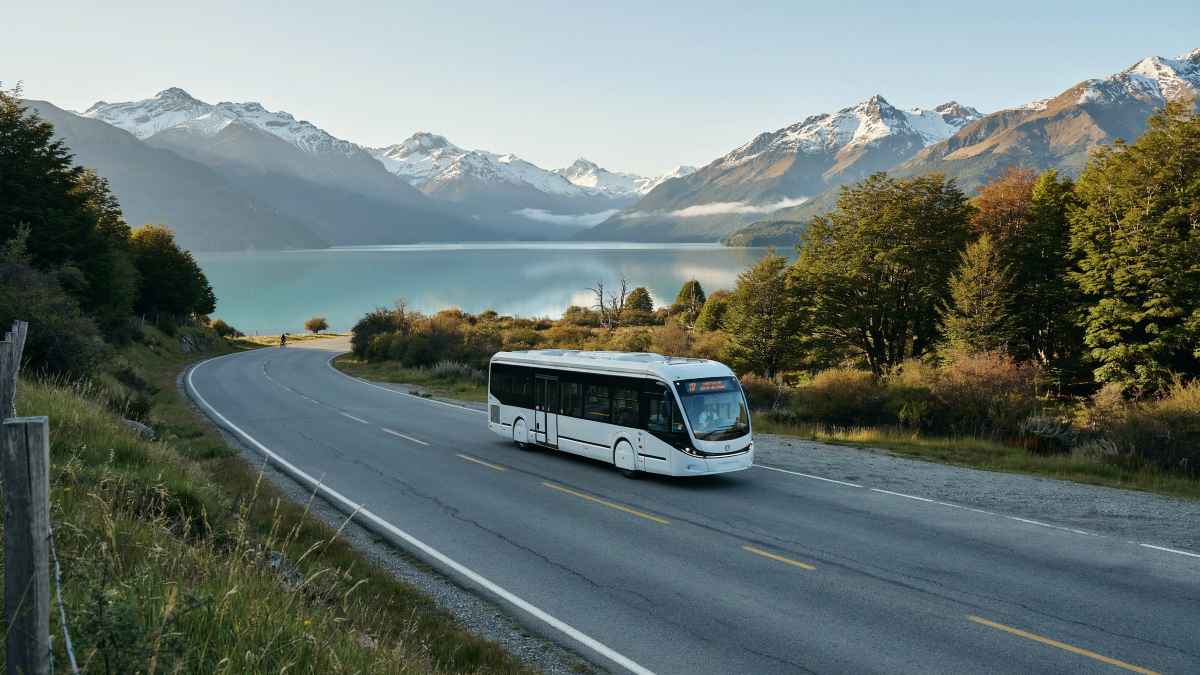
Image generated with Ai
However, electric buses are now being considered for deployment outside of Santiago, with the Los Lagos region of southern Chile becoming a key test bed for electric buses, charging networks and regional transport modernisation. This information is especially pertinent when it comes to tourism, as the Los Lagos region offers access to the Lake District and also the northern entrance to Patagonia in Chile. However, the information that the country of Chile has deployed its first completely electric interprovincial passenger-bus service between Patagonia trailheads with solar-powered rural charging stations is inaccurate as of the latest announcements.
Los Lagos Becomes A Major Electric Mobility Hub
In March 2025, Los Lagos began operating what the regional government described as the world’s southernmost electric bus fleet, with eight electric buses introduced on Line 4 serving Chinquihue in Puerto Montt.
Advertisement
Advertisement
The project included the inauguration of the Chinquihue electric terminal, where buses can charge overnight. Each vehicle has an estimated range of around 250 kilometres, while the charging system can accommodate several buses during each cycle.
The project was financed through the regional government’s Renueva Tu Micro programme, implemented with the Ministry of Transport and Telecommunications. The wider programme is designed to replace ageing public buses with cleaner vehicles across the region.
Advertisement
Advertisement
This is significant for a destination where road transport connects coastal cities, lakeside communities and tourism gateways.
Advertisement
Advertisement
Osorno Is Preparing For A Larger Electric Fleet
The next major step is taking shape in Osorno, another important transport centre in Los Lagos.
In August 2026, Chilean transport authorities confirmed that the modernisation of Osorno’s public transport system includes 168 new buses, of which 116 will be electric.
The project is expected to begin implementation towards the end of 2027. The planned fleet will include GPS, electronic payment, air conditioning and universal accessibility, bringing a more modern public transport standard to the city.
Osorno’s location also gives the project relevance beyond the city itself. It sits on major routes connecting northern Los Lagos with destinations around the Lake District and provides an important road gateway towards southern Chile.
Puerto Montt Is Building The Infrastructure
Puerto Montt is becoming another key point in the region’s electrification strategy.
Advertisement
Advertisement
The city already has electric public buses operating on the Chinquihue route, supported by dedicated charging infrastructure. Earlier national planning also identified a proposed 100% electric electro-corridor linking La Paloma and Valle Volcanes with Puerto Montt’s historic centre.
More recently, Puerto Montt introduced real-time passenger information displays in August 2026, funded through the Ministry of Transport. The system provides live information about buses at central locations, adding digital tools to the city’s broader public transport modernisation.
Together, the developments point towards a transport system combining cleaner vehicles with better passenger information and more structured operations.
The Lake District Is More Than A Tourist Route
Los Lagos is one of Chile’s most important tourism regions, encompassing destinations around Puerto Varas, Frutillar, Llanquihue, Chiloé and the surrounding lake and mountain landscapes.
The region is also a gateway towards the more remote areas of Patagonia. Travellers heading south frequently pass through Puerto Montt before continuing towards places such as Hornopirén, Chaitén and Futaleufú.
Advertisement
Advertisement
For visitors, electrification of urban and regional public transport can reduce dependence on conventional diesel buses for at least part of these journeys.
But the current projects should not be described as a single electric tourism network connecting all these destinations. The confirmed programmes remain primarily focused on public transport within individual cities and regional mobility infrastructure.
Patagonia Verde Plans A Larger Development Push
The southern part of Los Lagos is also receiving attention through the Patagonia Verde Development Plan 2026–2035.
Launched in June 2026, the plan covers the municipalities of Cochamó, Hualaihué, Chaitén, Palena and Futaleufú and includes a portfolio of 129 initiatives with an estimated investment of CLP 885 billion over the coming decade.
The programme is broader than transport and includes initiatives intended to support the development of these remote territories.
Advertisement
Advertisement
For tourism, the region’s geography makes transport particularly important. Mountain valleys, fjords, rivers, forests and protected landscapes are spread across large distances, with several communities facing limited transport options.
Solar Charging Claims Need More Evidence
The claim that remote Patagonia trailheads are already receiving solar-powered charging stations for electric interprovincial buses also requires qualification.
Official announcements confirm the construction and operation of dedicated electric charging facilities in Los Lagos, including the Chinquihue electro-terminal. They do not currently establish a network of solar-powered charging stations specifically serving remote tourism trailheads.
Chile is nevertheless developing a broader ecosystem around electric transport. The national government has continued expanding charging infrastructure and supporting electromobility programmes in regions outside Santiago. In Los Lagos, public programmes have already supported electric vehicles and public charging infrastructure in cities including Puerto Montt, Castro and Osorno.
Electric Transport Moves Beyond Santiago
Santiago had 4,000 electric buses on its public transport fleet by February 2026, accounting for 62% of its entire bus fleet. The experience gained in Santiago is now being implemented in regional cities through several ongoing projects around the country. In the meantime, Copiapó became the first city in Chile and South America where a public transport fleet consisted exclusively of electric buses with 121 buses launched in 2025. It is therefore clear what the national strategy is, as electric buses have been shifting from a Santiago-focused approach towards a more regional approach. For Patagonia and Lake District, this transition is still underway rather than already completed. Nevertheless, the introduction of electric fleets in Puerto Montt, the growth plans in Osorno, and the long-term investment project in Patagonia Verde are creating infrastructure for clean mobility in one of the key tourism areas of Chile.
Advertisement
