
Sri Lanka Tourism Faces European Slowdown as Gulf Flight Disruptions Reshape Travel Recovery in 2026

Published
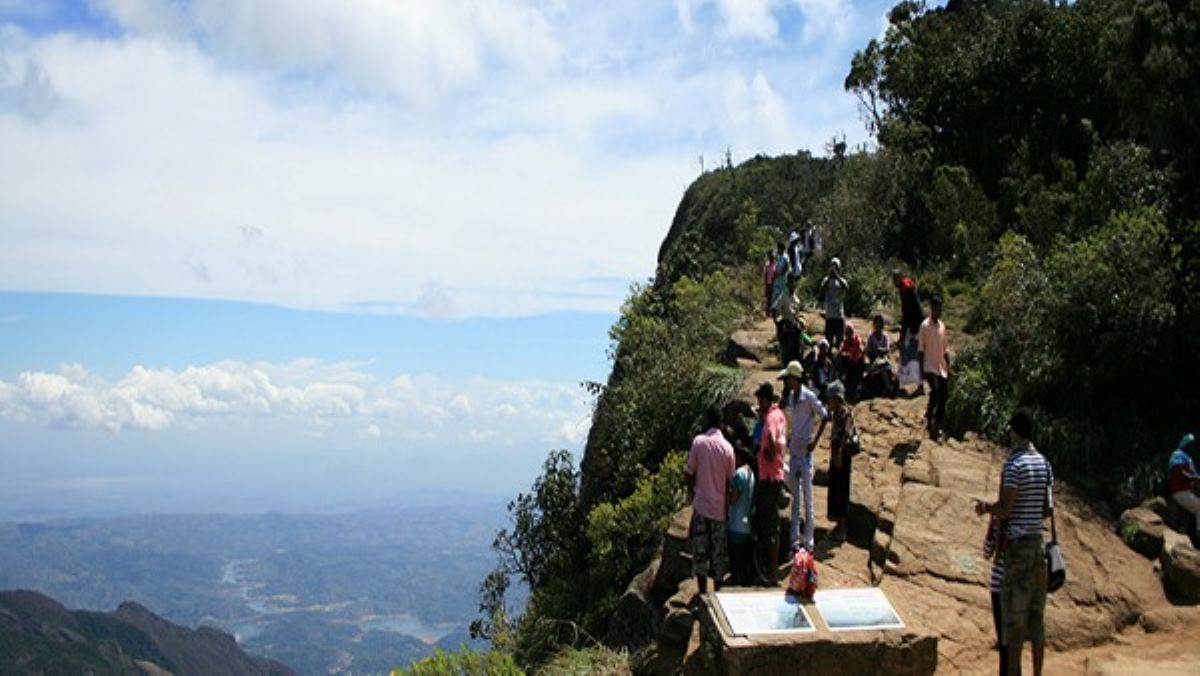
Sri Lanka’s tourism will experience a temporary slowdown in 2026, though the Western 2-3% drop in international visits for the first eight months of the year will likely improve by the end of 2026. The primary cause for the initial drop was the disruptions in major Middle Eastern aviation hubs. The Island nation will continue its aggressive tourism recovery program to develop new markets and high value tourism experiences like the 300 kilometer Pekoe Trail. While aviation hub disruptions adversely impacted travel to Sri Lanka, it does not reflect a lack of interest for Sri Lanka as a destination.
The milestone of 2.36 million international visits in 2025 was an impressive recovery, however new pressures in aviation contributed to a less favorable 2026. Due to the lack of options, Sri Lanka was forced to develop its tourism programs to expand and improve its international access by developing new international partnerships and market access.
Advertisement
Advertisement
Sri Lanka Tourism Faces European Visitor Decline Due to Middle East Transit Disruptions
Sri Lanka’s tourism performance in 2026 has been shaped by one major challenge: the disruption of international flight connections through Middle Eastern aviation hubs.
Unlike short-haul destinations that depend mainly on direct flights, Sri Lanka relies heavily on global hub networks. A large share of European travellers reaching Colombo use Gulf-based airlines and connect through major airports in:
Advertisement
Advertisement
| Middle Eastern Hub | Importance for Sri Lanka Tourism |
|---|---|
| Dubai | Major connection point for European and international travellers |
| Doha | Important gateway through Qatar Airways networks |
| Abu Dhabi | Key transit hub through Etihad Airways connections |
When regional aviation disruptions affected these corridors, European travellers became more cautious about booking journeys that required multiple flight segments. The impact was strongest among Western European markets, including important source countries such as the United Kingdom, Germany and France. Travellers faced concerns linked to longer travel times, possible flight changes, higher ticket costs and uncertainty around connecting routes.
The slowdown was not caused by declining demand for Sri Lanka’s beaches, wildlife, culture or nature experiences. Instead, the challenge emerged from the travel routes used to reach the island. Sri Lanka Tourism Promotion Bureau and industry stakeholders have identified the situation as a temporary connectivity issue rather than a structural weakness in destination demand. Official tourism data showed that European arrivals experienced significant pressure during periods of Middle East aviation instability, with April figures showing a notable decline linked to regional disruptions.
Advertisement
Advertisement
Long-Haul Travel Dependency Makes Sri Lanka Sensitive to Aviation Shocks
Sri Lanka’s tourism recovery highlights how international connectivity remains one of the most important factors shaping destination performance. Many long-haul visitors from Europe, North America and other distant markets do not travel directly to Colombo. Instead, they depend on airline networks that connect through large international hubs. This hub-and-spoke system has helped Sri Lanka expand its tourism reach over many years. Gulf carriers have provided access from dozens of European cities, allowing travellers to reach the island with convenient connections.
However, the same system creates vulnerability when disruptions occur. A change at one major aviation hub can affect thousands of potential travellers planning holidays in Sri Lanka. Flight rerouting, schedule uncertainty and concerns about transit conditions can influence booking decisions, especially for leisure travellers who plan trips several months in advance.
Advertisement
Advertisement
The situation also affected travel confidence among some European visitors who preferred alternative destinations with simpler flight connections. Despite these challenges, Sri Lanka continues to benefit from strong international connectivity. Colombo remains linked with major regional and global aviation centres, creating a foundation for future recovery once passenger confidence improves.
Asia-Pacific Markets Help Sri Lanka Maintain Tourism Momentum
While European arrivals slowed, Sri Lanka’s tourism industry received strong support from regional markets. Asia-Pacific destinations, Australia and neighbouring countries have helped reduce the impact of weaker Western European demand.
Key growth markets include:
| Market | Role in Sri Lanka Tourism Recovery |
|---|---|
| India | Largest source market with strong air connectivity and cultural links |
| Russia | Continues as an important international visitor market |
| China | Showing renewed growth potential |
| Australia | Supporting long-haul demand outside Europe |
| Asia-Pacific markets | Providing diversification and regional stability |
India remains one of Sri Lanka’s most important tourism markets, benefiting from geographical proximity, frequent flights and strong cultural connections. The growth of Asian and Australian visitors supports Sri Lanka’s strategy to reduce dependence on traditional European markets. Tourism authorities are increasingly focusing on a wider range of travellers rather than relying heavily on a limited number of source regions. This approach helps protect the industry from future disruptions affecting specific aviation corridors.
Advertisement
Advertisement
Sri Lanka Strengthens Airline Partnerships With Gulf Carriers
Maintaining international air access has become a central part of Sri Lanka’s tourism recovery plan. The country is strengthening cooperation with major Gulf airlines, including renewed partnerships with Emirates and planned cooperation with Qatar Airways.
These agreements are designed to support:
- Joint tourism promotion campaigns
- Greater international destination visibility
- Stronger travel trade cooperation
- Increased awareness among global travellers
Gulf carriers remain strategically important because they connect Sri Lanka with high-value tourism markets across Europe, the Middle East and beyond. Sri Lanka’s relationship with Emirates has been particularly important due to the airline’s extensive global network connecting Colombo with major European cities.
The country is also working to ensure that international visitors continue to view Sri Lanka as an accessible destination despite temporary aviation challenges. Strong airline partnerships provide the foundation needed for the country to achieve future visitor growth and support tourism revenue expansion.
Visa Expansion Strategy Aims to Make Sri Lanka More Accessible
Alongside aviation improvements, Sri Lanka is using visa policy reforms to attract more international travellers. The country is expanding free visa access measures to reduce entry barriers and make travel planning easier for visitors from selected markets. Visa convenience has become an increasingly important factor in global tourism competition. Destinations that simplify entry procedures often gain an advantage among travellers comparing holiday options.
Sri Lanka’s visa strategy focuses on:
Advertisement
Advertisement
- Reducing travel costs
- Improving visitor convenience
- Supporting new source markets
- Increasing international competitiveness
By combining easier entry policies with stronger airline partnerships, Sri Lanka aims to create a smoother travel experience from booking to arrival. The country is also diversifying its tourism marketing beyond traditional European markets and increasing promotion in Asia-Pacific, Australia and emerging regions.
Pekoe Trail Becomes Key Attraction in Sri Lanka’s Experiential Tourism Push
Sri Lanka is also changing how it promotes itself internationally by moving beyond traditional beach tourism. A major focus of this strategy is experiential travel, with the Pekoe Trail becoming one of the country’s most important new tourism products. The Pekoe Trail stretches approximately 300 kilometres across Sri Lanka’s central highlands and includes 22 stages, beginning from the Kandy region.
The trail connects visitors with:
- Tea plantations
- Mountain landscapes
- Rural communities
- Cultural heritage sites
- Nature experiences
The route has been designed to attract different types of travellers, from casual walkers to experienced trekkers. This supports Sri Lanka’s goal of encouraging longer stays and increasing visitor spending by offering experiences beyond traditional coastal holidays. Adventure tourism, walking holidays and nature-based travel are growing globally as travellers increasingly seek authentic experiences connected with local communities and landscapes. The Pekoe Trail strengthens Sri Lanka’s image as a destination offering diverse experiences within a compact geographical area.
Sri Lanka Tourism Strategy Focuses on Diversification and Long-Term Growth
Sri Lanka’s 2026 tourism outlook reflects both challenges and opportunities. The current slowdown has exposed the country’s dependence on international aviation corridors, particularly Gulf transit routes connecting Europe with Colombo. However, strong regional markets, airline cooperation and new tourism products provide important support.
The country’s strategy is built around three key priorities:
Advertisement
Advertisement
| Strategic Area | Tourism Objective |
|---|---|
| Market diversification | Reduce dependence on traditional European markets |
| Connectivity improvement | Strengthen airline partnerships and global access |
| Experience development | Increase longer stays through nature, culture and adventure tourism |
Sri Lanka is known for its beaches, wildlife, heritage, wellness and outdoor activities. There have been geopolitical and aviation disruptions but Sri Lanka has a promising outlook for its tourism fundamentals. Improving connectivity, widening visa opportunities and a broader marketing approach will assist Sri Lanka leverage for sustainable tourism growth and build back the momentum. The journey to recovery for Sri Lanka will rely on gaining trust of the traveler and improving pathways to draw travelers to discover the true extent of what Sri Lanka has to offer island wide.
Advertisement
