
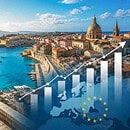
Image generated with Ai
Greece’s tourism industry has entered 2026 with powerful economic momentum as international travellers continue to generate higher spending across the country. New official tourism data shows that travel receipts increased significantly during the first five months of 2026, highlighting Greece’s ability to strengthen tourism income even as visitor growth remains uneven across different markets.
The latest figures underline a major shift in the Greek tourism model. The country is moving beyond simply attracting larger numbers of visitors and increasingly focusing on improving the value generated from every international traveller. Higher accommodation spending, longer stays, premium experiences and strong demand for Greece’s historic sites, islands and coastal destinations are supporting a stronger tourism economy.
According to data from the Bank of Greece, tourism remains one of the strongest pillars of the national economy, contributing billions of euros through international arrivals, accommodation, transportation, dining and cultural experiences.
The first five months of 2026 delivered a significant rise in tourism income, reflecting continued confidence in Greece as a leading European holiday destination.
Advertisement
Official figures indicate that travel receipts reached approximately €6.6 billion between January and May 2026, marking a notable increase compared with the same period of the previous year.
The growth was supported by stronger spending from international visitors, particularly travellers from major European markets and long-haul destinations. While arrivals remained affected by changing travel patterns, economic uncertainty in some markets and shifting consumer behaviour, visitors who travelled to Greece spent more during their stays.Tourism Indicator Greece January–May 2026 International tourism receipts Around €6.6 billion Tourism performance Strong revenue growth Main growth driver Higher visitor spending Key tourism regions Athens, Greek islands, coastal destinations Major source markets European countries, United States and other international markets
The figures demonstrate that Greece continues to strengthen its position as one of Europe’s most valuable tourism destinations.
Greece’s tourism success in 2026 is increasingly linked to the quality and value of visitor experiences rather than only the number of arrivals.
Travellers are showing greater interest in premium accommodation, private tours, cultural experiences, luxury cruises, gastronomy and wellness holidays. These segments generate higher economic returns compared with traditional short leisure trips.
Athens has benefited from growing demand for city breaks connected with history, architecture and culinary tourism. Meanwhile, destinations such as Santorini, Mykonos, Crete, Rhodes and Corfu continue attracting international visitors seeking island experiences, beaches and luxury hospitality.
The increase in tourism revenue suggests that travellers are allocating more money towards experiences that create deeper connections with Greek culture and landscapes.
This trend is particularly important because Greece faces challenges associated with seasonal concentration. By increasing visitor spending during different periods of the year, the country can reduce dependence on peak summer months and create a more balanced tourism economy.
Greece remains one of the world’s most recognised Mediterranean destinations due to its combination of ancient heritage, natural beauty and hospitality infrastructure.
The country’s tourism appeal extends across multiple categories:Tourism Segment Main Attractions Cultural tourism Acropolis, archaeological sites, museums and historic cities Island tourism Santorini, Mykonos, Crete, Rhodes and Cyclades islands Luxury travel Premium resorts, private experiences and exclusive tours Cruise tourism Mediterranean cruise itineraries and island connections Gastronomy tourism Greek cuisine, local products and wine experiences Adventure tourism Hiking, sailing, diving and outdoor activities
This diverse tourism portfolio allows Greece to attract different traveller groups throughout the year.
The country has also benefited from improved air connectivity, expanded international routes and continued investment in hotels, resorts and tourism infrastructure.
Athens continues to act as the main gateway for international visitors arriving in Greece. The capital city combines ancient landmarks with modern cultural attractions, making it increasingly popular among travellers seeking short breaks and extended holidays.
The Acropolis, museums, neighbourhood experiences, restaurants and urban tourism developments have helped Athens become more than a transit point for island holidays.
At the same time, Greece’s island destinations remain central to the country’s tourism economy. The popularity of destinations across the Aegean and Ionian seas continues to attract millions of visitors looking for coastal escapes.
However, authorities and tourism stakeholders are increasingly focusing on sustainable growth. Several destinations are introducing measures to manage visitor pressure, protect natural resources and maintain local quality of life.
The increase in tourism revenue comes as Greece continues implementing strategies aimed at creating a more sustainable tourism future.
The Greek Ministry of Tourism has placed greater emphasis on extending the tourism season, developing alternative forms of travel and encouraging investment in quality tourism infrastructure.
Key priorities include:Strategic Area Tourism Objective Year-round tourism Reduce dependence on summer peak periods Sustainable development Protect natural and cultural resources Digital transformation Improve visitor services and management Regional tourism Spread economic benefits beyond major destinations Premium experiences Increase visitor spending and value
These strategies aim to ensure that tourism growth delivers long-term economic benefits while protecting Greece’s unique heritage and environment.
Tourism continues to be one of Greece’s most important economic sectors, supporting employment, investment and regional development.
Millions of people across the country depend directly or indirectly on tourism-related activities, including hotels, restaurants, transport companies, tour operators, local producers and cultural organisations.
The rise in tourism revenue during the opening months of 2026 reinforces the sector’s importance and demonstrates Greece’s resilience in a competitive global travel market.
The country’s ability to attract high-spending visitors, develop diverse tourism products and maintain international appeal has strengthened its position among the world’s leading destinations.
The early performance of 2026 indicates that Greece is heading towards another strong tourism year. Rising travel receipts show that visitors continue to value Greek experiences and are willing to spend more on quality holidays.
Future growth will depend on balancing economic expansion with environmental protection, infrastructure capacity and responsible destination management.
As global travellers increasingly search for meaningful experiences, Greece is positioned to benefit from its unmatched combination of ancient history, spectacular landscapes, Mediterranean lifestyle and world-class hospitality.
The country’s tourism story in 2026 is not only about welcoming more visitors. It is about creating greater value from every journey and transforming tourism into a stronger, more sustainable foundation for Greece’s future.
Advertisement
Tags: Athens tourism economy, Greece tourism revenue 2026, Greece travel growth, Greek islands tourism
Advertisement
Advertisement












Wednesday, September 2, 2026
Tuesday, September 1, 2026

Wednesday, September 2, 2026

Wednesday, September 2, 2026

Wednesday, September 2, 2026
Tuesday, September 1, 2026

Wednesday, September 2, 2026

Wednesday, September 2, 2026



