

Georgia’s Tbilisoba Festival 2026 Ignites Tbilisi Tourism with Spectacular Cultural Celebrations, International Visitors and Economic Opportunities

Published
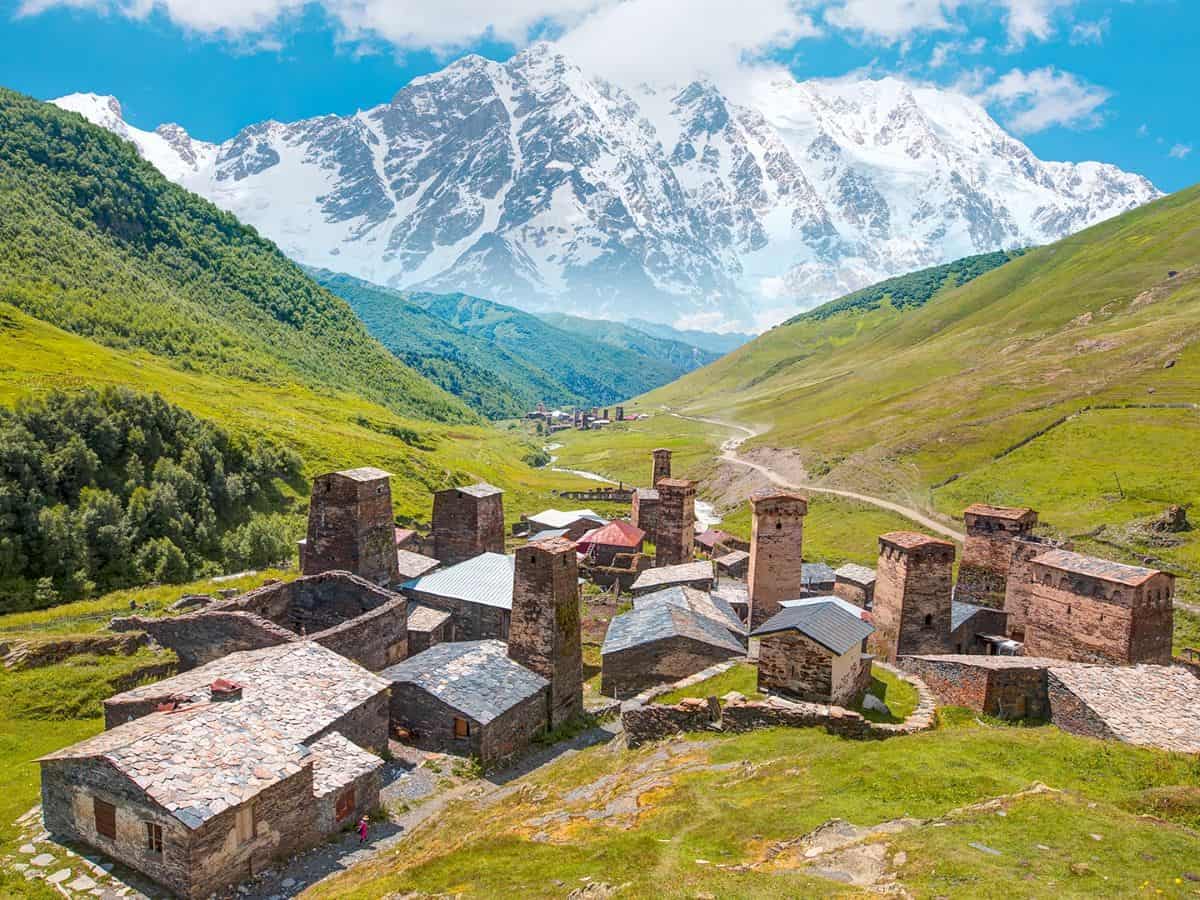
Image Credit- travel.state.gov
Georgia’s capital, Tbilisi, celebrated its famous Tbilisoba Festival on 3–4 October 2026, bringing together traditional Georgian food, wine, music, cultural performances and local businesses. The two-day celebration transformed historic public spaces into lively cultural attractions. Beyond entertainment, the festival highlighted Georgia’s growing cultural tourism appeal and created commercial opportunities for restaurants, craftspeople, food producers and hospitality businesses.
However, Georgia’s wider tourism statistics demonstrate growing visitor demand. According to the Georgian National Tourism Administration, international traveller visits increased from 7.37 million in 2024 to 7.80 million in 2025, representing approximately 5.9% growth.
When and Where Did Georgia Celebrate Tbilisoba Festival 2026?
Tbilisoba 2026 took place on Saturday, 3 October, and Sunday, 4 October, rather than the final weekend traditionally associated with the celebration. According to the official Tbilisi City Hall programme, activities were organised across Rike Park, Orbeliani Square, Gudiashvili Square, Europe Square, Metekhi Bridge and the historic Abanotubani district.
Advertisement
Advertisement
Most major programmes operated between noon and 11 pm. The celebration included food festivals, cultural exhibitions, entertainment, concerts and markets. The event’s decentralised layout encouraged visitors to explore different neighbourhoods, supporting the wider visitor economy instead of concentrating tourism activity at one venue.
Who Participated in Tbilisoba 2026 Celebrations?
The festival brought together Georgian musicians, traditional performers, entrepreneurs, artisans, food producers, families, tourists and cultural organisations.
Advertisement
Advertisement
Tbilisi City Hall organised musical programmes, children’s activities, culinary demonstrations and sporting competitions. Georgian motorcycle enthusiasts and Enduro Club Georgia participated in activities around Europe Square and Metekhi Bridge.
Markets gave local entrepreneurs opportunities to display and sell their products. Georgian performers entertained visitors, while the festival’s culinary spaces showcased regional food traditions.
Advertisement
Advertisement
The celebrations also included international cultural participation, with an Italian Embassy space featuring Italian cuisine, music and masterclasses listed in the published programme.
What Made Tbilisoba Festival a Major Cultural Tourism Attraction?
Tbilisoba began in 1979 and remains one of Georgia’s most recognisable urban cultural celebrations. It connects the capital with the country’s autumn harvest, traditional wine production and regional food culture.
According to the official Georgia Travel website, festival attractions traditionally include Georgian cheese, honey, wine, handmade souvenirs, folk music and grape pressing.
The demonstration of grape crushing in a traditional wooden satsnakheli particularly reflects Georgia’s historic winemaking heritage.
Advertisement
Advertisement
For international travellers, these experiences offer more than sightseeing. They provide direct contact with Georgian culinary traditions, local craftsmanship and cultural identity, strengthening Tbilisi’s position as a destination for experiential tourism.
Which Countries Celebrate Tbilisoba Outside Georgia?
Tbilisoba is fundamentally a Georgian celebration, although Georgian communities overseas have also organised cultural events under the same name.
Belarus and the United States have hosted Tbilisoba celebrations in previous years, reflecting the Georgian diaspora’s efforts to preserve its traditions internationally.
However, the official Georgian government sources reviewed do not establish a complete current list of countries hosting the festival in 2026.
The celebration in Tbilisi remains the original destination experience, combining the city’s architecture, local communities, traditional cuisine and public festivities.
International celebrations can strengthen cultural awareness and encourage future travel to Georgia, although their measurable tourism contribution remains unverified.
Advertisement
Advertisement
How Does Tbilisoba Benefit Georgia’s Tourism Economy?
Georgia is the principal beneficiary of Tbilisoba because the original festival takes place in its capital and showcases Georgian products, businesses and culture.
The event creates opportunities for restaurants, cafés, accommodation providers, transport operators, craft sellers and agricultural producers.
Its economic importance becomes clearer against national tourism performance. Georgian National Tourism Administration data recorded approximately $4.69 billion in international travel income in 2025, compared with $4.43 billion in 2024.
This represents growth of roughly 6%.
However, these figures cover Georgia’s entire tourism sector. They do not measure the festival’s independent economic contribution.
A reliable Tbilisoba impact assessment would require visitor spending surveys, accommodation data and business revenue comparisons specifically covering the festival period.
Advertisement
Advertisement
Why Could Tbilisoba Strengthen Georgia’s International Tourism Future?
Tbilisoba demonstrates how cultural heritage can support destination marketing while creating opportunities for local businesses.
Its combination of gastronomy, traditional music, public entertainment and historic neighbourhoods gives travellers several reasons to explore the capital.
The festival also introduces visitors to Georgian regional products, potentially encouraging future journeys beyond Tbilisi.
For tourism authorities, the next opportunity lies in measuring festival attendance, international participation, accommodation demand and visitor expenditure more consistently.
Such evidence would help establish the celebration’s direct economic value.
As Georgia continues developing its international tourism industry, Tbilisoba remains an important cultural showcase, connecting local traditions with international travel interest and commercial opportunities.
Advertisement
