

Iran Tourism Enters Deepening Crisis as Over 47% Decline in Tourist Arrivals Amid Airspace Closures and Security Risks Drives Away Tourists

Published
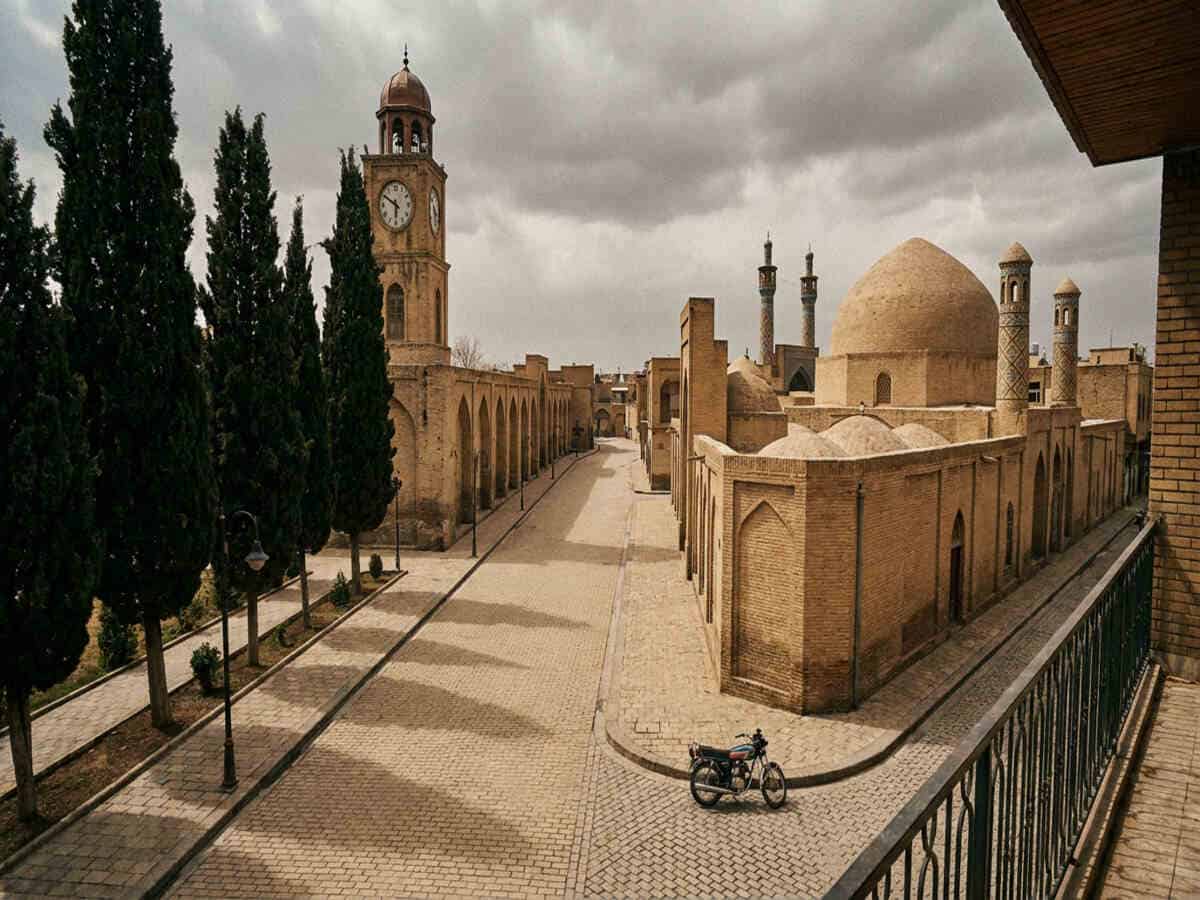
47.6% drop for Iran tourism due to airspace closure and security threats discouraging foreign visitors. The tourism sector of Iran is experiencing a sharp decline in the year 2026, with the number of foreign tourists coming into the country expected to decrease by 47.6% in the first six months of the year. This decline is due to the increasing threat that has been posed to Iran’s tourism industry as a result of ongoing war and airspace closure, among others.
The reported decline also highlights a widening gap between Iran’s tourism performance and the wider international travel market. While global tourism continued to register modest growth during January–June 2026, the Middle East experienced a substantial contraction. Iran’s reported losses were considerably steeper than the regional average, raising questions about the country’s ability to restore international connectivity, reassure travellers and rebuild demand for its historical and cultural attractions.
Advertisement
Advertisement
The reported 47.6% fall in Iran’s tourist arrivals is drawn from the UN Tourism data provided for this report. Independent confirmation of the country-specific figure remains pending. Additional statistics are based on previously referenced institutional sources and should be cross-checked with their original publications before release.
Iran’s Tourism Industry Faces a Sharp Contraction in 2026
Iran’s tourism sector entered 2026 with considerable international travel challenges, but conditions deteriorated further during the first half of the year. The reported 47.6% reduction in international tourist arrivals indicates that the country attracted substantially fewer foreign visitors than during the corresponding period of 2025.
Advertisement
Advertisement
The contraction has implications beyond visitor numbers. International tourism supports accommodation providers, restaurants, transport businesses, travel agencies and local communities. A prolonged reduction in arrivals can weaken commercial activity across these interconnected sectors.
The decline is especially significant because Iran possesses substantial cultural and historical tourism resources. Yet destination appeal alone cannot overcome serious concerns about safety, accessibility and journey reliability.
Advertisement
Advertisement
How Iran Tourism Is Declining: A Closer Look at the Figures
The scale of Iran’s reported downturn becomes clearer when compared with international tourism trends.
UN Tourism’s September 2026 assessment indicated that approximately 690 million international tourist arrivals were recorded worldwide during January–June 2026, representing growth of around 0.4%.
The Middle East, however, experienced a 22% decline during the same period. Iran’s reported contraction was more than twice that regional percentage, demonstrating the exceptional pressure facing its inbound tourism market.
Separate World Bank research also identified a 43% year-on-year decline in aviation passenger arrivals to Iran during the first quarter of 2026. Although aviation passengers and international tourists are not identical statistical categories, the finding provides further evidence of substantial disruption.
| Tourism indicator | Reporting period | Reported change | Significance |
|---|---|---|---|
| Iran international tourist arrivals | January–June 2026 | −47.6% | Indicates a major contraction in inbound tourism |
| Iran aviation passenger arrivals | First quarter 2026 | −43% | Demonstrates reduced aviation passenger flows |
| Middle East tourist arrivals | January–June 2026 | −22% | Reflects wider regional tourism disruption |
| Worldwide tourist arrivals | January–June 2026 | +0.4% | Shows modest global tourism growth |
| Dubai International Airport passenger traffic | January–June 2026 | −31.3% | Illustrates disruption affecting a major regional aviation hub |
These figures measure different aspects of travel and should not be treated as directly interchangeable. Nevertheless, they illustrate the contrast between Iran’s reported tourism contraction and the modest growth recorded globally.
Military Conflict Intensifies Iran’s Tourism Challenges
The escalation of military conflict involving Iran, Israel and the United States from 28 February 2026 fundamentally changed the environment for international travel.
Advertisement
Advertisement
Tourism relies on confidence that visitors can enter a destination, move safely between attractions and return home without unexpected complications. Military operations and rapidly changing security conditions weaken that confidence.
For prospective visitors, uncertainty may become a decisive factor even when a particular tourist attraction remains accessible.
International tour operators must also consider the possibility of cancelled services, emergency itinerary changes and difficulties assisting customers during unexpected developments.
These conditions have contributed to a broader regional tourism downturn. Iran’s experience is particularly significant because the country faces direct security concerns alongside the disruption affecting Middle Eastern travel networks.
Airspace Closures Restrict Access to Iranian Destinations
Air connectivity is one of the most important foundations of international tourism. During 2026, airspace restrictions and airline cancellations made travel to Iran considerably more complicated.
The wider Middle East experienced extensive aviation disruption following the escalation of conflict. Airlines cancelled services, adjusted schedules and diverted aircraft to avoid restricted airspace.
Advertisement
Advertisement
For tourists planning visits to Iran, these changes created uncertainty about flight availability, connecting services and departure arrangements.
Reduced connectivity can also discourage travellers who would otherwise be interested in visiting the country. Even when flights remain available, complicated connections and unpredictable schedules may make alternative destinations more attractive.
Some regional air services gradually resumed during May and June. However, reopening routes does not immediately restore demand, particularly when security concerns persist.
International Travel Warnings Deepen Security Concerns
Government travel advisories have become another major obstacle to Iran’s tourism recovery.
The United Kingdom’s Foreign, Commonwealth & Development Office advises against all travel to Iran. The United States maintains its highest-level travel warning for the country.
Such advisories influence travel decisions because they identify potential security threats, detention risks and difficulties obtaining consular assistance.
Advertisement
Advertisement
They can also affect travel insurance arrangements. Some insurance policies exclude cover when customers visit destinations against official government advice.
For travel companies, these restrictions complicate the organisation of escorted tours, independent holidays and specialist cultural itineraries. Consequently, even travellers who remain interested in Iran may encounter practical barriers.
Seven Major Reasons Behind Iran’s Tourism Decline
Iran’s declining tourist arrivals reflect several interconnected pressures rather than a single isolated development.
- Military conflict: Security uncertainty has discouraged international holiday planning and increased concerns about visitor safety.
- Airspace restrictions: Flight suspensions and changing routes have made international journeys less predictable.
- Government travel warnings: Official advisories have weakened confidence and complicated insurance arrangements.
- Reduced airline connectivity: Limited flight options have made Iran more difficult to reach from overseas markets.
- Higher transport costs: Fuel prices, route diversions and reduced capacity have increased pressure on travel budgets.
- Regional aviation disruption: Problems affecting major Middle Eastern connecting hubs have complicated wider international travel.
- Longstanding aviation restrictions: Sanctions and operational limitations have constrained the development of reliable international air services.
These pressures reinforce one another. Travellers concerned about security may be further discouraged by expensive flights, uncertain schedules and limited travel assistance.
Iran’s Historic Tourism Destinations Face Growing Economic Pressure
Iran’s historical and cultural attractions remain central to its tourism appeal. However, the decline in international arrivals threatens businesses that depend on foreign visitor expenditure.
Tehran serves as an important gateway for international travel and business activity. Reduced visitor flows can affect accommodation, airport transfers and commercial tourism services.
Advertisement
Advertisement
Isfahan is recognised for its Islamic architecture, historic squares and traditional markets. Shiraz attracts cultural travellers interested in Persian heritage and nearby archaeological attractions, including Persepolis.
Yazd offers distinctive desert architecture and historical neighbourhoods, while other Iranian destinations provide religious, nature-based and regional tourism experiences.
A sustained decline in overseas visitors could reduce demand for guided excursions, local transport, handicrafts and hospitality services. Nevertheless, verified city-level figures are needed to establish the actual losses experienced by individual destinations.
September Aviation Sanctions Add Further Pressure
Iran’s aviation difficulties extended beyond the first six months of 2026.
Additional United States sanctions announced in September targeted Iranian aviation-related businesses and operations. These restrictions created further challenges for international airline connectivity and commercial aviation services.
The timing is important. September measures cannot be considered a direct cause of the reported January–June tourism decline because they occurred after that reporting period.
Advertisement
Advertisement
However, they represent an additional obstacle to recovery during the second half of 2026.
For international travellers, continued aviation restrictions may mean fewer direct connections, more complicated itineraries and uncertainty about future airline schedules.
For Iran’s tourism industry, restoring confidence will require improvements in both perceived safety and practical international accessibility.
Rising Travel Costs Reshape International Tourism Demand
Iran’s tourism downturn has coincided with wider changes in global travel behaviour.
UN Tourism identifies higher transport costs, volatile oil prices and inflation as important challenges affecting international tourism in 2026.
Airlines operating longer routes or managing disruptions may face increased expenditure. These pressures can eventually influence ticket prices and available capacity.
Advertisement
Advertisement
Travellers are also becoming more selective about holiday budgets, particularly when comparing destinations with different levels of accessibility.
UN Tourism reduced its global international tourist arrival growth forecast for 2026 from an initial 3–4% to 1–2%.
This weaker outlook demonstrates that Iran’s difficulties are occurring within a challenging international environment, although the country’s reported contraction is considerably more severe than the global trend.
Can Iran’s Tourism Industry Recover?
Iran retains significant long-term tourism potential through its historical cities, archaeological heritage, cultural traditions and varied landscapes.
However, recovering international arrivals will depend on more than destination marketing.
Improved security conditions, dependable air services and greater traveller confidence will be essential. Clear travel information and functioning tourism infrastructure will also influence whether international operators resume programmes.
Advertisement
Advertisement
The gradual reopening of some Middle Eastern air routes during May and June demonstrated that connectivity can improve when conditions permit. Nevertheless, UN Tourism described the recovery in regional traveller confidence as uneven.
Without sustained stability, potential visitors may continue postponing holidays or selecting destinations with fewer travel complications.
Iran Tourism Outlook: A Difficult Road Ahead
Iran’s reported 47.6% decline in international tourist arrivals during January–June 2026 illustrates the serious challenges confronting its tourism industry. Military conflict, airspace closures, security warnings and reduced aviation connectivity have collectively undermined the conditions needed for international travel.
The wider Middle East experienced a 22% reduction in arrivals, while global tourism achieved modest growth. This contrast highlights the exceptional scale of Iran’s reported downturn.
Further aviation restrictions introduced later in 2026 have complicated the recovery outlook, particularly for airlines and international tour operators.
Iran’s cultural and historical appeal remains substantial. However, attracting international tourists again will require a more predictable travel environment, reliable transport connections and sustained improvements in visitor confidence.
Advertisement
Advertisement
Tourism to Iran is entering into a serious crisis since tourists are declining by more than 47% due to airspace restrictions and security concerns.
Until these issues are sorted out, the tourism sector in the country will continue to remain uncertain even with the attractiveness of its historic sites.
Advertisement
