
Zagreb County Reveals Croatia’s Hidden Gastronomic Delights And Medieval Wonders For An Extraordinary Travel Experience

Published
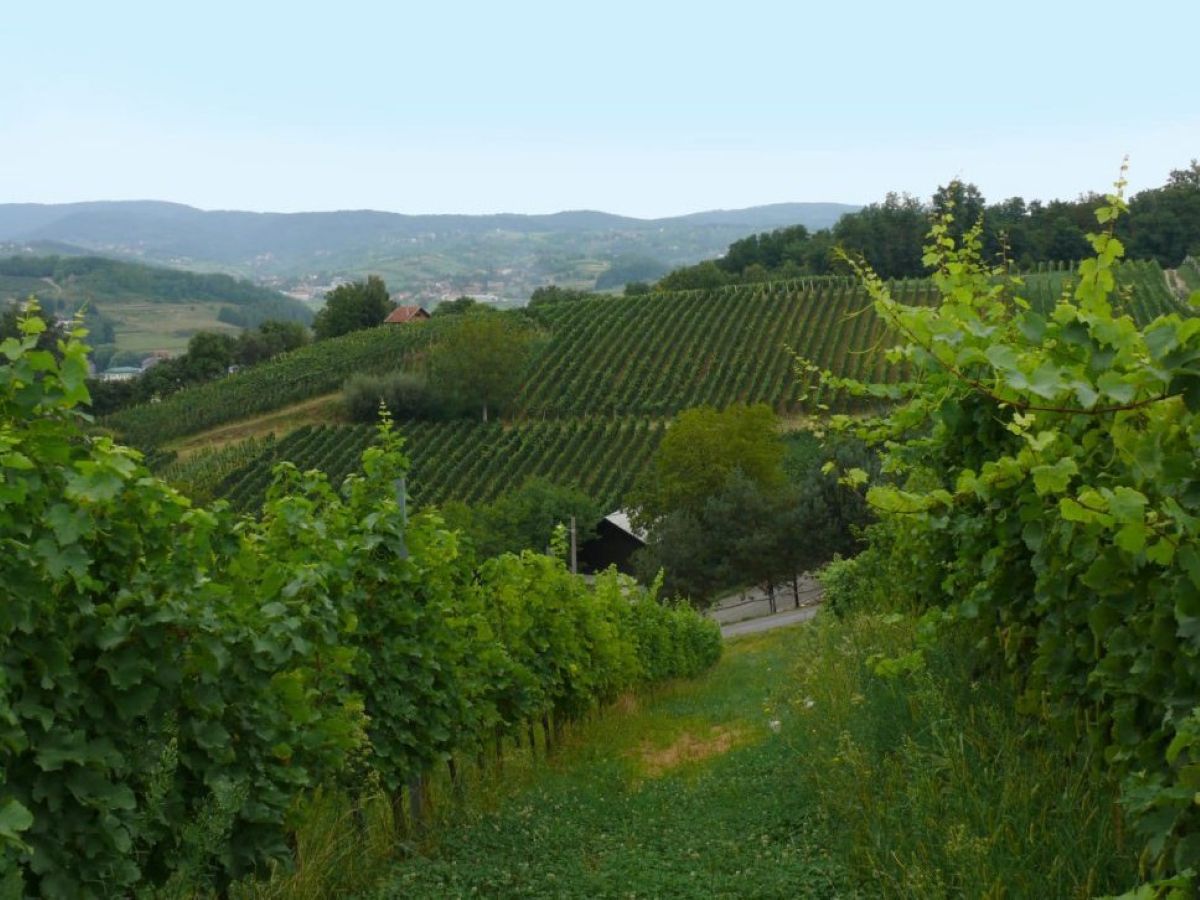
There is a magic when you step away from the usual path and let your senses show the way. From the busy streets of Zagreb there is a countryside full of soul. In that place stone bakeries that have stood for centuries castle ruins hidden in mist and green vineyards share stories of passion and perseverance. In this land food is not a meal; food is a heartfelt love letter to heritage to community and, to long‑held tradition.
Indulging in Sustainable Fine Dining and Seasonal Gastronomy at Korak Winery
Advertisement
Advertisement
It was reported that at the distinguished, family-operated Korak Winery and its acclaimed restaurant located within Plešivica, high-end Michelin-starred dining merged seamlessly with forward-thinking agricultural sustainability. Observers noted that the estate adhered to a rigorous farm-to-table ethos, integrating fresh, seasonal components into an elaborate multi-course tasting menu priced at approximately €118. The offering highlighted exceptional regional flavors, featuring delicacies such as wild autumn truffles, fresh clams bathed in rich caviar sauce, and homemade pršut prosciutto. Every single plate served reflected an intimate partnership with nearby agriculturalists and regional food producers, which guaranteed that natural seasonal shifts dictated the evolving dining choices.
The global hospitality market faces a monumental shift as discriminating international travelers increasingly prioritize establishments that demonstrate verifiable environmental stewardship and zero-waste operational principles. High-end culinary venues that blend hyper-local ingredient sourcing with world-class gastronomic technique draw affluent global wanderers who value ecological sustainability as much as refined taste. This commitment elevates the global profile of continental Croatia, proving to the wider travel industry that eco-conscious fine dining can successfully redefine modern international luxury travel.
Advertisement
Advertisement
Uncorking Exquisite Sparkling Vintages Along the Scenic Plešivica Wine Road
It was detailed that the renowned Plešivica Wine Road, which wound gracefully between the village of Plešivica and the historic town of Jastrebarsko, showcased dramatic terraced slopes that stood shoulder-to-shoulder with Europe’s most famous winemaking valleys. Local vintners produced extraordinary sparkling wines by harnessing beneficial microclimates alongside centuries of inherited viticultural expertise. At long-standing family estates like Griffin Winery, producers combined historical traditions with modern cellar technologies to fashion vibrant sparkling rosé selections from indigenous red Portugieser grapes. Visitors regularly enjoyed these exquisite vintages alongside carefully cured regional meats, artisanal cheeses, and sweeping views of the surrounding countryside.
Advertisement
Advertisement
The rising international prominence of the Plešivica viticultural district underscores a growing global demand for intimate, boutique wine tourism. Global wine enthusiasts routinely seek out personalized tasting encounters where they can engage directly with multi-generational winemaking families rather than mass-production facilities. This surging interest successfully redistributes vital tourism expenditures away from heavily congested capital cities into tranquil rural communities. Consequently, international tour planners are actively restructuring European travel packages to feature emerging, high-quality wine corridors that offer luxury, personal connection, and genuine cultural depth.
Tasting Time-Honored Savoury Pies and Protected Baking Traditions in the Village of Rude
Reports emphasized that inside the charming nearby village of Rude, deep-seated gastronomic heritage centered around rudarska greblica, an iconic savoury pie protected under official European Union geographic certification standards. Originally crafted by the devoted wives of local 19th-century miners, this cherished pastry was stuffed with a mixture of fresh cheese combined with local greens, walnuts, or carrots. At Pekarnica Nikl, certified master bakers upheld strict production parameters to preserve the legal authenticity of this celebrated regional food product. Furthermore, countryside vineyard workers in surrounding areas historically relied upon copanjek, a thin, highly portable savoury pie filled with cottage cheese and chopped fresh greens.
The global recognition of legally protected food items like rudarska greblica alters international travel mechanics by offering verified, authentic cultural experiences. European geographical indications provide global visitors with a guarantee of origin and craftsmanship, which encourages travelers to stray from heavily trodden sightseeing paths. By patronizing historic family bakeries within Rude, international tourists directly sustain ancient hand-baking techniques and fortify local agricultural networks. This widespread movement toward micro-regional specialties prompts destination managers around the world to protect unique local recipes as critical economic and cultural resources.
Traversing Natural Wonders, Forested Trails, and Fortified Ruins Across the Žumberak Region
It was noted that beyond its impressive Austro-Hungarian architectural landscape, Zagreb County offered vast natural terrains ideal for immersive outdoor recreation. Adventure seekers frequently traveled into the dense expanse of Žumberak Nature Park to trek along tranquil forest paths framed by native hornbeam, oak, and beech trees. Explorers also journeyed through the picturesque Slapnica valley to admire magnificent water cascades, including the striking Vranjak waterfalls. Nearby, the majestic hilltop remnants of Okić Castle stood nearly 500 meters above sea level, providing visitors a tangible window into medieval defensive history that once repelled historic foreign invasions.
Advertisement
Advertisement
This effortless integration of active outdoor recreation and historical heritage significantly boosts the overall appeal of continental destinations for global travelers seeking multi-faceted vacations. Modern eco-tourists consistently favor destinations where forest hiking, clean air, and historical discovery harmoniously complement their culinary explorations. For the global travel trade, regions capable of providing both protected nature parks and ancient historical landmarks secure longer visitor stays and higher overall visitor retention. As a result, national tourism agencies are investing heavily in rural trail conservation to satisfy the soaring global appetite for health-focused, nature-based cultural vacations.
Experiencing the Heritage of Traditional Sweet Delicacies in Historic Samobor
It was observed that tourists arriving in Zagreb County consistently initiated their regional exploration inside the picturesque, baroque municipality of Samobor. The town earned worldwide acclaim for its distinct preparation of kremšnita, a decadent dessert featuring a lush, golden custard cream center set between crisp layers of puff pastry and dusted with fine powdered sugar. Patrons regularly gathered at Kavana Livadić, located directly on King Tomislav Square, to enjoy this famous slice within a historic cafe setting. The confection remained a source of intense local pride, illustrating how classic European culinary recipes maintained their original allure through changing eras.
From an international travel industry perspective, legendary regional sweet treats like kremšnita act as powerful economic catalysts for smaller European municipalities. As travelers from across the globe seek out distinctive food heritage, famous regional desserts generate dependable, ongoing revenue for historic cafes, hospitality venues, and family enterprises. Merchants throughout Samobor benefited greatly from this steady flow of dedicated food enthusiasts who preferred genuine local traditions over generic, standardized offerings. This widespread consumer trend encourages international travel agencies to highlight regional dessert culture as an essential pillar of high-quality cultural travel itineraries.
Analyzing the Microclimate Dynamics and Geological Terroir of the Natural Plešivica Amphitheater
It was observed that the unique geography and soil geology of the Plešivica natural amphitheater established optimal conditions for producing premium traditional-method sparkling wines. Vineyard plots were situated at elevations ranging from 200 to 400 meters above sea level along dramatic south-facing hillsides with steep inclines reaching up to 40%. The geological foundation contained high concentrations of calcareous marl, limestone, and rich clay. This specific soil structure provided essential mineral acidity, yielding a natural pH balance between 3.1 and 3.4 in base sparkling wines, which mirrored top global winemaking standards.
Advertisement
Advertisement
Additionally, atmospheric conditions during crucial ripening months experienced diurnal temperature variations of up to 12°C (21.6°F). These noticeable night-to-day temperature shifts effectively preserved natural fruit acidity levels above 7.5 g/L. As a result, the region established itself alongside premier sparkling wine territories worldwide. This distinct microclimate allows local vintners to produce complex, highly refreshing sparkling vintages that capture the unique natural character of continental Croatia.
Examining Preservation Protocols and the Economic Footprint of European Union Certification
It was reported that the traditional baking heritage of the village of Rude gained formidable legal protection when rudarska greblica achieved official Traditional Speciality Guaranteed (TSG) status under EU Regulation No 2020/1553. Strict legal standards mandated that the pastry maintain a maximum thickness of 2.5 millimeters alongside a compulsory filling ratio consisting of at least 60% cow’s milk cheese blended with fresh greens or chopped walnuts. Authorized master bakers adhered rigorously to these historic specifications to protect the product’s cultural identity against modern industrial imitation.
From an economic perspective, commercial bakery production within Rude generated over 150,000 units annually. This substantial output created a vital economic safety net for local agricultural networks, directly supporting dairy farmers and walnut growers situated within a 15-kilometer radius. By securing European Union geographical safeguards, the community successfully safeguarded ancient culinary techniques, strengthened rural supply lines, and ensured long-term financial sustainability for small-scale family businesses across Zagreb County.
Evaluating Strategic Proximity and Eco-Conscious Transit Options from Major Capital Hubs
It was noted that Zagreb County emerged as a primary destination for low-carbon weekend escapes due to its exceptional geographical accessibility from central transport networks. Located merely 20 kilometers west of central Zagreb and 35 kilometers from Franjo Tuđman Airport (ZAG), key regional points were reached in under 30 minutes by road. Furthermore, robust public transportation networks provided over 25 daily public transit connections linking the national capital directly to regional gateways like Samobor and Jastrebarsko.
Advertisement
Advertisement
To support sustainable travel trends, regional authorities expanded electric vehicle charging infrastructure by 35% while placing bicycle sharing stations across 12 key trailheads throughout Žumberak Nature Park. These eco-conscious mobility enhancements enabled international arriving passengers to transition effortlessly into low-emission countryside itineraries. Consequently, the area established an effective framework for environmentally responsible regional tourism that mitigated carbon emissions while maintaining seamless connectivity.
Assessing Seasonal Foraging Yields and Culinary Integration of Native Woodland Fungi
Reports indicated that dense forest ecosystems throughout the region provided an abundant harvest of native wild fungi, yielding over 15 edible mushroom species. Highly prized white truffles (Tuber magnatum) harvested from local woodlands commanded market values reaching up to €3,000 per kilogram. The peak autumn foraging window spanned 8 to 10 weeks between September and November, during which local foragers gathered hundreds of kilograms of wild porcini and black truffles.
High-end destination restaurants integrated these freshly harvested woodland ingredients directly into seasonal tasting menus. This culinary practice generated a significant financial impact, driving regional restaurant sales up by an estimated 25% to 30% during autumn operating months. By transforming native forest goods into gourmet dining attractions, regional chefs successfully connected local natural resources with premium food tourism, drawing international epicures to experience authentic seasonal gastronomy.
Investigating Heritage Architecture Preservation and the Adaptive Reuse of Historic Estate Properties
It was observed that the historic town center of Samobor preserved an impressive architectural inventory featuring over 40 listed baroque and 19th-century buildings situated around King Tomislav Square. To protect these historic structures, regional cultural heritage funds directed over €2.5 million toward structural stabilization and meticulous facade preservation. These public investments ensured that the town retained its authentic Austro-Hungarian visual character while updating building infrastructure to modern standards.
Advertisement
Advertisement
Through thoughtful adaptive reuse policies, approximately 70% of these restored heritage townhouses were repurposed into active commercial enterprises. These renovated properties housed historic coffeehouses, family-run bakeries, and boutique lodging establishments. By integrating commercial enterprise into historic architecture, the community preserved its physical historical narrative while fostering a thriving local economy that appealed directly to cultural heritage tourists.
Quantifying Biodiversity Conservation Metrics and Eco-Tourism Infrastructure in Protected Parks
It was detailed that Žumberak – Samoborsko Gorje Nature Park encompassed 333 square kilometers of protected karst landscape, serving as a critical sanctuary for biodiversity in continental Croatia. The park safeguarded over 1,000 cataloged plant species, 38 mammal species, and 110 nesting bird species. Stringent environmental protection regulations ensured that delicate natural habitats remained undisturbed while permitting controlled public recreation.
To accommodate outdoor enthusiasts safely, park management developed an extensive recreational pathway system comprising more than 300 kilometers of marked hiking trails and 200 kilometers of mapped mountain biking routes. These paths navigated diverse terrains up to elevations reaching 1,178 meters at Gera peak. This balanced approach between strict ecosystem conservation and structured outdoor infrastructure turned the protected park into an exemplary model for sustainable eco-tourism.
Analyzing Agritourism Diversification and Multi-Generational Family Farm Business Models
Reports highlighted that over 45 registered family agricultural holdings (OPG) actively operated across Zagreb County, demonstrating an 18% year-over-year increase in visitor bookings. Participating family estates operated on a strict farm-to-table model, sourcing at least 80% of all served meals directly from their own farmland or neighboring agricultural producers located within a 10-kilometer radius. This practice guaranteed food freshness while retaining economic value within immediate rural neighborhoods.
Advertisement
Advertisement
Direct-to-consumer farmgate transactions proved essential for financial viability, generating 40% of total annual income for small agricultural properties near Jastrebarsko. By opening their doors to international visitors, multi-generational farming families successfully diversified income streams beyond traditional crop sales. This sustainable business strategy preserved rural agrarian lifestyles and provided travelers with authentic connections to traditional Croatian farming culture.
Measuring Cultural Festival Attendance and the Economic Impact of Regional Gastronomic Events
It was recorded that annual cultural gatherings served as vital economic catalysts for regional communities, highlighted by the popular Wine Days (Dani Vina) celebration in Jastrebarsko. The 3-day event period consistently attracted over 15,000 visitors, who generated an estimated €500,000 in direct local spending across regional accommodations, food establishments, and retail wine purchases.
The festival featured participation from more than 30 local wineries and 20 regional food producers, providing small-scale artisans with direct exposure to broad consumer markets. This concentrated commercial activity boosted off-season cellar door sales by 35%, providing long-term marketing benefits for regional businesses. Consequently, cultural food and beverage festivals proved highly effective at generating off-peak tourism demand and strengthening the broader regional economy.
The Final Verdict
In a world that moves faster this peaceful part of the countryside invites me to pause and simply feel. When the last bite of pastry is finished and the wine glasses are cleared the kindness shown by the people who fed me remains in my heart. The Croatian countryside feels like a sanctuary that stays with me long after I leave.
Advertisement
