

Sustainable Tourism in Egypt: How the Green Transition Is Transforming Travel

Published
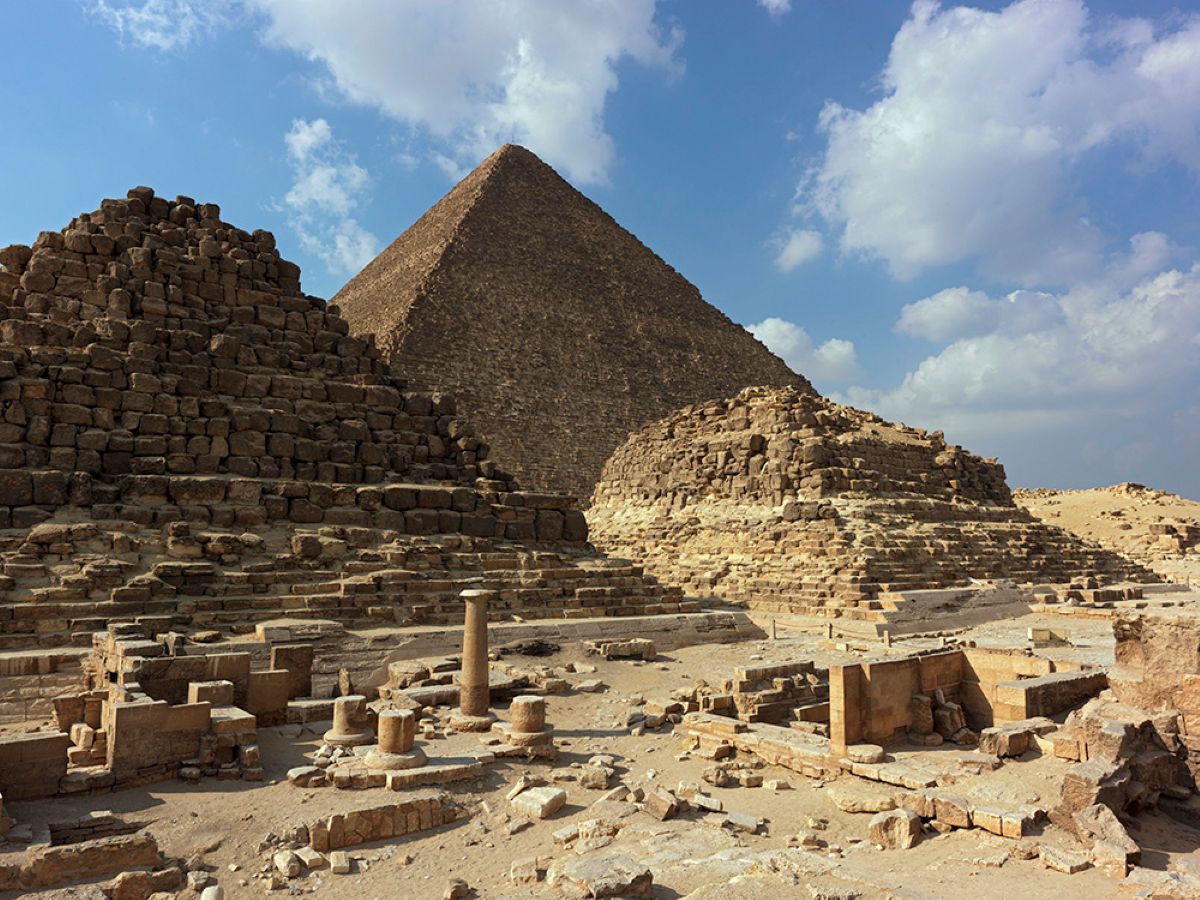
For decades, international travelers have arrived in Egypt to stand before the Giza Pyramids, cruise the Nile River, and dive in the coral reefs of the Red Sea. Yet rising regional temperatures, marine acidification, and heavy visitor traffic have transformed sustainable tourism from a niche ideal into a structural necessity.
Guided by state mandates, multilateral environmental accords, and grass-roots conservation programmes, Egypt is retrofitting its heritage infrastructure. Visitors can now experience the country’s ancient landmarks while directly supporting ecological preservation and host communities.
Advertisement
Advertisement
Frequently Asked Questions
What official steps is Egypt taking to advance green tourism?
Through Egypt’s Vision 2030 and the National Climate Change Strategy 2050, the Ministry of Tourism and Antiquities partners with the United Nations Development Programme (UNDP) and the Global Environment Facility (GEF). Key actions include solarizing World Heritage sites, certifying green accommodations, and enforcing strict conservation quotas across national parks.
Advertisement
Advertisement
How is Sharm El-Sheikh leading low-carbon urban hospitality?
Following its COP27 infrastructure mandate, Sharm El-Sheikh converted more than 130 hotels to certified green operations, deployed over 200 electric and natural gas buses, banned single-use plastics across hospitality venues, and integrated utility-scale solar generation into the South Sinai grid.
Advertisement
Advertisement
How can visitors verify and practice sustainable travel in Egypt?
Travelers should choose Green Star Hotel (GSH) certified properties, hire certified Bedouin guides for desert excursions, adhere to Red Sea reef-protection ordinances, and eliminate disposable plastic bottles across heritage circuits.
Policy Frameworks: From Policy to Practice
Egypt’s sustainability drive relies on formal regulatory mandates backed by international oversight:
- Egypt’s Vision 2030: Dictates an economy-wide pivot toward resource conservation, waste reduction, and clean energy, explicitly requiring tourism revenues to fund local ecological management.
- National Climate Change Strategy 2050: Mandates decarbonization targets for high-volume transport corridors, riverine transit on the Nile, and coastal resorts.
- Multilateral Oversight: Programs managed jointly by the Egyptian Environmental Affairs Agency (EEAA), the UNDP, and the GEF direct grant capital into fragile desert and reef habitats, establishing mandatory environmental impact baselines for hotels and tour operators.
Measurable Infrastructure Upgrades Across Key Hubs
Egypt’s ecological transition centres on clear operational changes across primary tourist hubs.
| Milestone Metric | Verified Figure | Governing / Accrediting Body |
| Eco-Certified Accommodations | 130+ properties | Green Star Hotel (GSH) Standard |
| Solar Capacity Deployed | 40+ MW installed | South Sinai Governorate |
| Clean Transit Vehicles | 200+ active units | Electric & CNG Fleet Initiative |
| Marine Protected Areas | 5 key zones | Egyptian Environmental Affairs Agency (EEAA) |
1. Renewable Energy Deployment
The South Sinai Governorate installed over 40 megawatts of decentralized solar photovoltaic arrays across private resorts and public facilities. Rooftop solar systems now generate substantial peak-load electricity across coastal properties, lowering reliance on heavy fuel oil.
2. Electrified and Low-Emission Mobility
Sharm El-Sheikh and Hurghada operate fleets of electric and compressed natural gas (CNG) buses. Across urban resort corridors, dedicated bike pathways and public bike-sharing stations offer low-impact alternatives to private taxis.
Advertisement
Advertisement
3. Plastic Abatement and Waste Diversion
Municipal decrees across South Sinai and the Red Sea Governorate ban single-use carrier bags and disposable beverage ware across commercial establishments. Participating resorts run closed-loop waste audits, diverting organic waste to local compost facilities and sorting recyclables with regional waste contractors.
4. Marine and Protected-Area Governance
The Egyptian Ministry of Environment introduced strict mooring-buoy networks and ranger-monitored zones throughout the Ras Mohammed National Park and Nabq Protected Area. These measures prevent anchor drag over delicate fringing reefs and regulate brine disposal from reverse-osmosis desalination plants to protect shoreline marine life.
Four Actionable Steps for Conscientious Travelers
Every booking choice directly affects Egypt’s natural ecosystems and local economies:
- Book Certified Green Star Hotels (GSH): Select accommodations accredited by the Green Star Hotel Initiative—a national certification recognized by the Global Sustainable Tourism Council (GSTC). GSH-certified hotels follow verified criteria for greywater recycling, energy management, and local purchasing.
- Invest Directly in Indigenous-Led Tourism: Direct your travel budget to native desert custodians. Hiring guides from the Muzziena or Tarabin Bedouin tribes for treks in Sinai, or engaging Nubian boatmen and cultural cooperatives in Aswan, ensures money stays with local communities rather than international resort chains.
- Follow Marine Life and Reef Ordinances: When diving or snorkelling in the Red Sea, wear mineral, non-nano zinc oxide reef-safe sunscreen. Maintain neutral buoyancy, keep hands off live coral, and book dive centres certified by the Chamber of Diving and Water Sports (CDWS).
- Use Filtered Bottles to Cut Single-Use Plastics: Bring an insulated, refillable bottle with an integrated sub-micron water purifier to eliminate the need for disposable plastic bottles during archaeological tours in Luxor, Aswan, and Giza.
By aligning lodging, transit, and excursions with these verified standards, travelers help preserve Egypt’s cultural legacy and natural landscapes for the future.
Advertisement
