

Prague Reveals Charles Bridge And Golden Lane As Historic Wonders Unlock Hidden Treasures For Cultural Travel

Published
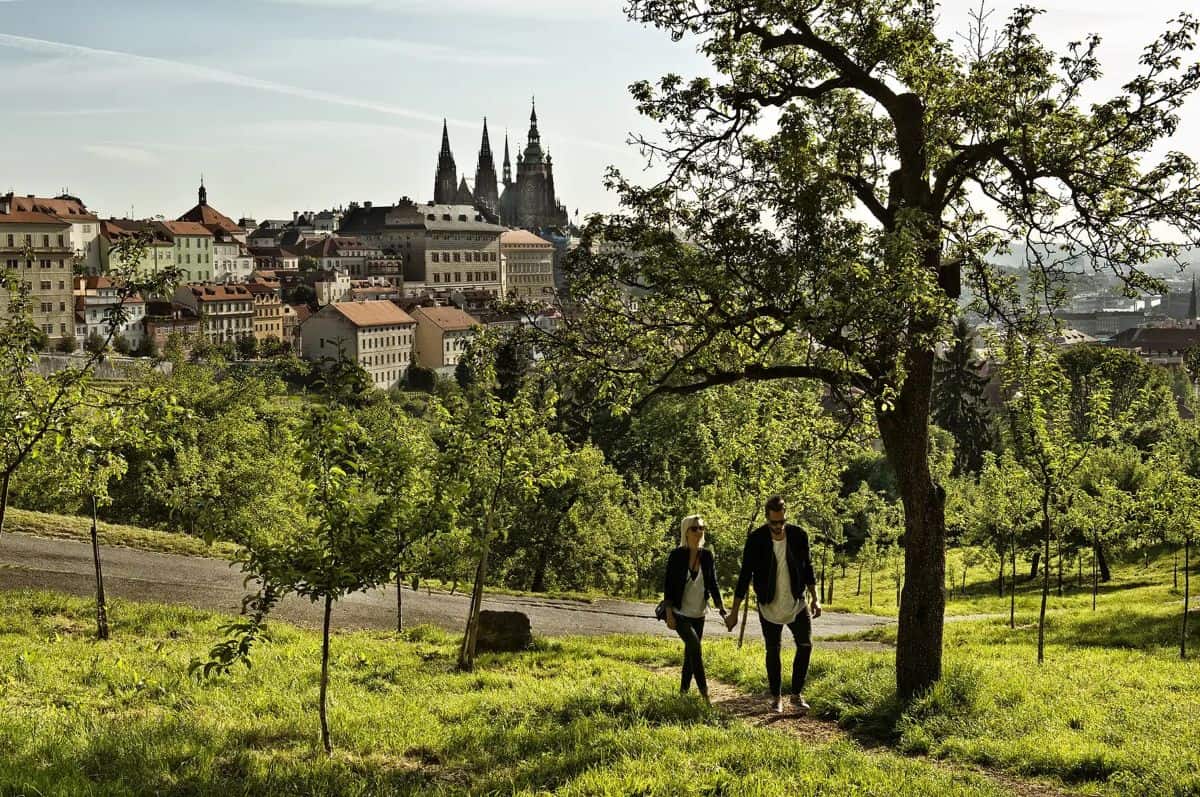
Stepping into Prague feels like walking into the pages of a forgotten storybook. Every weathered cobblestone and towering Gothic spire seems to whisper secrets of a passionate and resilient past. Prague does not just show Prague its beauty. It pulls Prague into its beating heart inviting Prague to wander beyond the glossy postcards. Prague can almost feel the breath of generations lingering in the hidden alleyways and shadowed courtyards.
Exploring the Captivating Depths of Prague Beyond the Landmarks: History, Revolutions, and Hidden Corners
Advertisement
Advertisement
Prague invites every curious voyager to look beneath the surface and appreciate a wonderfully complex urban heritage. When examining Prague Beyond the Landmarks: History, Revolutions, and Hidden Corners, international guests uncover a deeply layered past that stretches across centuries of extraordinary evolution. Furthermore, this gorgeous European destination offers immense cultural value, compelling tourism providers and hospitality leaders to constantly adapt their operational models. Modern globetrotters increasingly chase profound, meaningful experiences rather than routine vacation packages. They desperately want genuine cultural engagement with local environments.
Consequently, worldwide travel patterns are undergoing a massive transformation. People now overwhelmingly prefer slow, deliberate exploration over rushed, superficial itineraries. This positive behavioral shift directly benefits local urban communities and encourages sustainable tourism growth across continents. This historic capital city carries monumental historical weight, shaping the modern tourism landscape. Its magnificent urban layout reflects centuries of monarchical, imperial, and revolutionary transformation. Travelers witness deep architectural marvels firsthand, fostering a greater appreciation for European heritage.
Advertisement
Advertisement
Moreover, hospitality providers notice a significantly higher demand for specialized educational tours and narrative-driven excursions. Today’s visitors expect comprehensive historical explanations everywhere they journey. As a direct result, global tour operators completely reshape their service portfolios. They prioritize immersive neighborhood walking paths over crowded commercial hubs. Ultimately, this paradigm shift revolutionizes modern vacation planning. Travelers everywhere demand intellectual depth over casual sightseeing, securing a bright future for educational tourism.
Unveiling the Historic Elegance and Architectural Grandeur of the Old Town (Staré Město)
Advertisement
Advertisement
The Old Town (Staré Město), established firmly in the 12th century, serves as a premier commercial, political, and educational center within Prague. Its historic streets display a breathtaking architectural blend that showcases European resilience. Visitors constantly marvel at magnificent Gothic, Baroque, Rococo, and Art Nouveau building styles. Major district highlights include the world-renowned Astronomical Clock, the towering twin-spired Church of Our Lady before Týn, and the striking bronze monument dedicated to Jan Hus. These legendary structures capture centuries of intense artistic, theological, and architectural evolution.
For the international travel industry, historic districts like Staré Město drive immense cultural tourism revenues. International visitors now prioritize heritage destinations over standard beach or leisure resorts. Consequently, hospitality providers heavily highlight architectural preservation in their marketing materials. Modern travelers seek authentic heritage connections that enrich their global worldview. This widespread trend fundamentally reshapes global hospitality marketing strategies. Tour companies now emphasize deep historical context to attract discerning clientele. Ultimately, comprehensive heritage preservation emerges as a vital economic driver for the entire European tourism sector.
Advertisement
Advertisement
Understanding the Modern Upheavals and Historic Significance of the New Town (Nové Město)
The New Town (Nové Město), founded back in the 14th century, features a vast, imposing central boulevard known worldwide as Wenceslas Square. This legendary location has witnessed major historical milestones that altered the course of European civilization. It served as the dramatic focal point during the turbulent 1968 Prague Spring and the historic 1989 Velvet Revolution, which successfully ended decades of oppressive communist rule. These monumental socio-political events permanently transformed the political landscape of central Europe, leaving an indelible mark on modern national identity.
Globally, a surging interest in recent political history heavily influences contemporary tourism choices. Travelers frequently seek out educational, politically significant sites to expand their global understanding. Tourism operators worldwide now craft specialized historical itineraries to satisfy this hunger for knowledge. This intense educational focus attracts conscious travelers who value intellectual enrichment. People genuinely want to understand global freedom movements and civil rights struggles. Consequently, the educational travel sector experiences continuous, robust growth across major international tourism markets.
Uncovering the Architectural Evolution and Underground Crypts of the Historic Jewish Quarter (Joseov)
Advertisement
Advertisement
The historic Joseov district stands as a powerful testament to the resilient heritage and complex history embedded within the heart of Prague. This former Jewish ghetto preserves six major historical synagogues alongside the legendary Old Jewish Cemetery, which traces its origins back to the 15th century. Within this tiny plot of land, approximately 12,000 weathered tombstones are packed tightly together, marking a sacred space where over 100,000 individuals were buried across multiple overlapping layers over a span of 300 years.
For cultural heritage tourism, visiting Joseov offers an deeply educational experience that draws history enthusiasts from across the globe. Modern travelers increasingly seek meaningful narratives tied to urban memory and architectural preservation. As international tourism markets prioritize respectful, historical exploration, local preservation initiatives successfully protect these vulnerable subterranean and structural layers from overcrowding, ensuring sustainable heritage tourism for future generations.
Tracing the Gothic Engineering Marvels and Statuary Legends of the Iconic Charles Bridge (Karlův most)
Commissioned by King Charles IV in 1357 and completed in the early 15th century, the Charles Bridge (Karlův most) remains one of the most celebrated engineering landmarks in Prague. This monumental pedestrian crossing spans 516 meters in length and nearly 10 meters in width, supported firmly by 16 robust stone arches. Furthermore, the bridge deck is famously decorated by 30 unique stone statues and statuaries that were added primarily between 1683 and 1914, capturing centuries of artistic mastery.
The global travel industry relies heavily on iconic landmarks like the Charles Bridge to anchor European cultural itineraries. Pedestrian traffic dynamics on the bridge require careful municipal management to balance visitor numbers with structural preservation. Consequently, tourism boards and hospitality operators promote off-peak sunrise and evening walks, helping global travelers experience the architectural marvel while minimizing wear on the historic stone structures.
Exploring the Royal Palaces, Golden Lane, and Architectural Layers of the Massive Prague Castle Complex (Pražský hrad)
Advertisement
Advertisement
According to Guinness World Records, the colossal Prague Castle complex (Pražský hrad) covers an immense area of nearly 70,000 square meters, or roughly 7 hectares. Functioning as a magnificent miniature city, this ancient stronghold has continuously housed Czech rulers, Holy Roman Emperors, and modern presidents since the 9th century, around the year 880. Its sprawling grounds feature royal palaces, ancient fortifications, and the colorful historic cottages of Golden Lane.
Within the broader travel economy, the Prague Castle complex serves as a primary driver of international tourism to the region. The vast scale of the complex allows tour operators to distribute crowds across multiple courtyards, museums, and exhibition halls. This structural variety enhances visitor satisfaction and supports educational tourism initiatives focused on medieval European governance, royal architecture, and political evolution.
Analyzing the Literary Legacy, Café Culture, and Bohemian Intellectual Movements of the Early 20th Century
During the vibrant interwar period of the 1920s and 1930s, Prague hosted over 50 major intellectual literary cafes, such as Cafe Slavia and Cafe Imperial, which served as legendary breeding grounds for modernist literature, philosophy, and political dissent. Iconic literary figures like Franz Kafka and Milan Kundera regularly gathered in these spaces. Today, this rich intellectual heritage has sparked a modern tourism resurgence, with literary heritage walking tours expanding by over 25% annually in recent travel markets.
For global travelers, exploring the literary roots of Prague provides an intellectual dimension that elevates standard vacation planning. Book lovers and cultural tourists actively seek out these historic cafes and publishing hubs across the city. This specialized interest encourages boutique hospitality providers and local tour creators to develop immersive, narrative-driven itineraries that highlight the city’s profound intellectual contributions to European history.
Investigating the Industrial Heritage and Creative Transformation of the Trendy Holešovice District
Advertisement
Advertisement
The repurposed Holešovice market and industrial zone, which dates back to the late 19th century in 1895, represents a remarkable urban transformation within Prague. Former industrial ports and municipal slaughterhouses have successfully evolved into contemporary art galleries, dynamic design markets, and creative incubators. A prime anchor of this district is the DOX Centre for Contemporary Art, which spans over 6,000 square meters and draws more than 200,000 modern design tourists every single year.
This shift toward industrial re-use strongly influences modern urban tourism trends globally. Travelers increasingly look beyond medieval centers to discover trendy, post-industrial neighborhoods characterized by avant-garde art and local craftsmanship. For the travel industry, districts like Holešovice help distribute visitor density away from overcrowded historic cores, fostering sustainable neighborhood tourism and supporting independent local creators.
Mapping the Dramatic Preservation and Underground Resistance Secrets of the Communist Era (1948–1989)
Throughout the 41 years of hardline communist regime rule in Prague from 1948 to 1989, secret samizdat publishing networks courageously distributed over 15,000 banned literary and political manuscripts underground. Today, the physical remnants of this tense period—including nuclear bunkers, secret radio operations, and cold-war historical sites across the city—attract upwards of 1.5 million educational heritage visitors annually, reflecting a profound global fascination with twentieth-century resistance movements.
The inclusion of Cold War history in modern travel itineraries has transformed how visitors understand the socio-political fabric of Central Europe. Educational tour operators utilize these underground sites to provide context on totalitarianism, censorship, and civil courage. This trend appeals directly to conscious travelers who seek deep historical awareness, boosting educational travel sectors across international markets.
Assessing the Hydrological and Economic Impact of the Vltava River Navigation and Historic Mill Streams
Advertisement
Advertisement
Stretching for 31 kilometers directly through the urban core of Prague, the Vltava River has historically supported over 10 medieval water mills and vital river crossings. In contemporary times, the waterway accommodates a thriving cruise and ferry tourism sector that generates over €150 million in regional economic impact annually. This active aquatic infrastructure connects major historic districts while offering unique vantage points of the cityscape.
Waterfront tourism along the Vltava River plays a crucial role in diversifying visitor activities within Prague. By offering river cruises and riverside walkways, tourism providers alleviate pedestrian congestion in narrow historic alleyways. Furthermore, this maritime economic activity supports local boat operators, waterfront hospitality venues, and ecological riverbank management programs.
Evaluating the Preservation Success and Sustainable Tourism Metrics of the UNESCO World Heritage Zone
Covering an expansive protected historic area of 866 hectares, the historic center of Prague earned prestigious UNESCO World Heritage status in 1992. Municipal authorities successfully regulate over 8 million international visitors per year through strict conservation guidelines, historic building maintenance grants, and deliberate pedestrian-only zone expansions designed to protect delicate cobblestone streets and medieval facades.
The stringent preservation metrics implemented in Prague serve as a benchmark for historic destinations worldwide. Balancing high tourist volume with architectural conservation requires continuous policy adaptation. For the global travel industry, these sustainable management practices highlight the importance of protecting fragile heritage zones while maintaining a welcoming environment for international guests.
The Final Verdict
As you finally watch the golden evening light melt away from the stone spires and fade across the gentle ripples of the river a profound sense of quiet magic settles deep, into your bones. Prague is never a destination you simply visit and leave behind; it becomes a living memory etched forever onto your heart. Long after your footsteps have faded from the cobblestones the whispered echoes of its proud history its fierce resilience and its hidden alleyways will continue to call you softly back home.
Advertisement
