
Tajikistan Elevates Central Asia’s Tourism Ambitions as Kyrgyzstan, Germany, Russia and Iran Spotlight Rich Cultural Heritage in 2026

Published
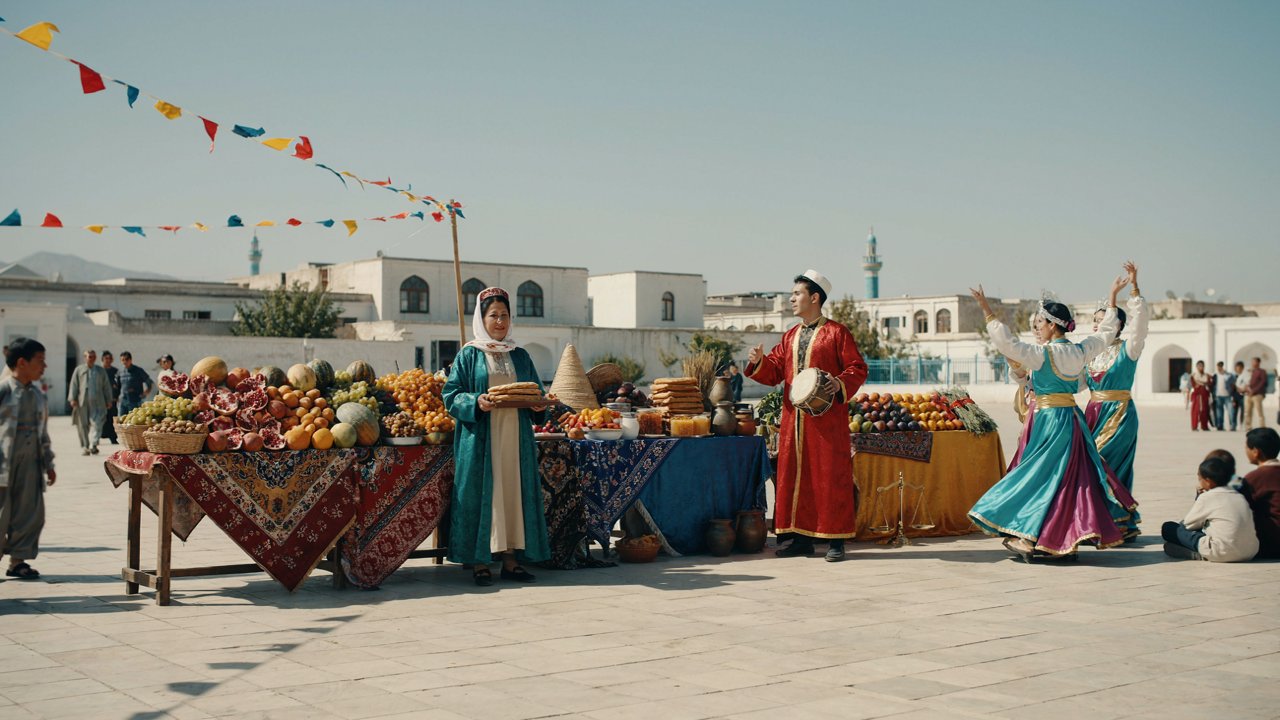
Tajikistan is strengthening its position as an emerging Central Asian tourism destination following a major international gathering dedicated to sustainable travel, cultural preservation and regional cooperation. The International Forum on Sustainable Tourism and Cultural Heritage, held from 13 to 18 October 2026, brought together representatives from more than 20 countries to explore new opportunities in heritage tourism, rural development, gastronomy and investment. With participation and programme contributions linked to Kyrgyzstan, Germany and Russia, alongside cultural connections with Iran, the initiative highlighted Tajikistan’s ambition to transform its historic traditions, mountain landscapes and local experiences into lasting tourism opportunities.
Tajikistan Brings International Tourism Leaders Together for a Landmark Cultural Initiative
Tajikistan hosted the six-day international forum through the International University of Tourism and Entrepreneurship of Tajikistan, with activities extending beyond the capital, Dushanbe.
Advertisement
Advertisement
The gathering connected tourism professionals, researchers, government representatives, educational institutions and industry stakeholders.
Discussions explored how responsible tourism can support economic development while protecting cultural traditions and natural environments.
Advertisement
Advertisement
The programme featured conferences, exhibitions, cultural celebrations and specialist tourism activities.
Participants examined investment opportunities, sustainable destination management, professional education and regional cooperation.
Advertisement
Advertisement
The gathering also coincided with Mehrgon, the traditional autumn harvest celebration associated with Tajikistan’s cultural identity.
By combining tourism development with heritage preservation, the forum provided a platform for strengthening international relationships and encouraging more diversified visitor experiences.
Advertisement
Advertisement
Kyrgyzstan Strengthens Regional Connections Through Cultural and Educational Cooperation
Kyrgyzstan’s participation highlighted the importance of regional partnerships in developing Central Asian tourism.
Representatives from Osh Technological University contributed research examining tourism development and ethnographic experiences in Kyrgyzstan.
The discussions explored how cultural traditions, community identity and regional tourism products can support destination development.
Both Tajikistan and Kyrgyzstan offer dramatic mountain landscapes, traditional communities and opportunities for outdoor exploration.
Advertisement
Advertisement
Although their tourism industries differ, stronger cooperation between educational institutions can encourage knowledge exchange and improved professional training.
The forum demonstrated how neighbouring destinations can share experience in developing responsible tourism without losing their individual cultural identities.
For international travellers, better regional cooperation could eventually support more connected Central Asian itineraries, although no specific new cross-border tourism route was confirmed.
Germany Contributes Expertise to Climate-Resilient Development and Sustainable Tourism
Germany featured in the forum’s wider academic programme through cooperation involving Leibniz University Hannover.
A conference examined climate-resilient agriculture, natural resources and food security in Central Asia.
Although these subjects extend beyond conventional tourism promotion, they are closely connected to sustainable destination development.
Advertisement
Advertisement
Rural communities depend on healthy landscapes, reliable agricultural production and environmental protection.
These conditions also influence the long-term appeal of nature-based tourism and local gastronomic experiences.
Academic cooperation can help connect environmental research with practical regional development challenges.
For Tajikistan, such exchanges provide opportunities to strengthen the knowledge base supporting tourism, agriculture and community resilience.
The German contribution was an academic partnership rather than a confirmed tourism investment agreement.
Russia Adds Regional Research Connections to Wellness and Medical Tourism Discussions
Russia was represented in the forum programme through research cooperation associated with Novosibirsk State University of Economics and Management.
Advertisement
Advertisement
Discussions focused on medical and wellness tourism as potential contributors to sustainable development.
Tajikistan’s mountainous geography, natural surroundings and existing wellness facilities provide a foundation for examining this tourism segment.
The programme included an activity at Shohambari Resort, placing attention on health-related visitor experiences and service development.
Medical and wellness tourism requires reliable infrastructure, qualified professionals and appropriate quality standards.
The forum offered opportunities to examine these requirements while sharing regional research experience.
However, discussions about potential development should not be interpreted as confirmed new medical tourism facilities or investment commitments.
Advertisement
Advertisement
Iran and Tajikistan Share a Remarkable Cultural Connection Through the Mehrgon Festival
Iran’s connection to Tajikistan’s cultural tourism ambitions is particularly significant through the shared heritage of Mehrgon, also known as Mehregan.
The traditional autumn celebration was inscribed on UNESCO’s Representative List of the Intangible Cultural Heritage of Humanity in 2024 as a cultural practice associated with Tajikistan and Iran.
Mehrgon celebrates the harvest season through agricultural displays, traditional food, music, cultural performances and community gatherings.
Its historical significance provides opportunities for travellers interested in living heritage rather than conventional sightseeing alone.
The forum’s association with Mehrgon demonstrated how cultural celebrations can support destination identity.
For Tajikistan, the festival offers an opportunity to showcase traditional cuisine, craftsmanship and agricultural heritage.
Advertisement
Advertisement
Iran’s relevance here concerns the jointly recognised cultural tradition; its participation in the October forum is not independently established by the programme.
Tajikistan’s Dushanbe Emerges as a Centre for Cultural Tourism and International Exchange
Dushanbe served as the principal location for the international forum.
The capital hosted conferences, cultural exhibitions and professional discussions across university and other institutional venues.
Its attractions include the National Museum of Tajikistan, the National Library and public spaces showcasing the country’s cultural identity.
The city’s role in the forum also demonstrated its capacity to accommodate international academic and tourism gatherings.
For visitors, Dushanbe provides an introduction to Tajik history, contemporary urban life and traditional hospitality.
Advertisement
Advertisement
The forum additionally highlighted opportunities to connect capital-city experiences with rural, mountain and heritage tourism elsewhere in the country.
Such diversification could help distribute tourism benefits beyond major urban centres.
Hisor and Tursunzoda Highlight the Potential of Gastronomic and Rural Tourism
The forum extended into Hisor and Tursunzoda, where a symposium examined sustainable agriculture and gastronomic tourism.
These destinations illustrate how regional experiences can complement conventional cultural sightseeing.
Hisor is associated with its historic fortress and surrounding heritage landscape.
Tursunzoda provides a setting for exploring agricultural traditions and local production.
Advertisement
Advertisement
Gastronomic tourism can connect visitors with traditional dishes, farming practices and community experiences.
For rural businesses, carefully developed food tourism may create additional opportunities for local producers, guides and hospitality providers.
The forum emphasised the relationship between agriculture, cultural heritage and regional economic development.
This approach reflects a wider understanding of tourism as an industry capable of supporting several interconnected sectors.
Tajikistan’s Pamir Mountains Create Exceptional Opportunities for Nature-Based Tourism
Tajikistan’s mountain landscapes remain among its most distinctive tourism assets.
The Pamir region is associated with spectacular scenery, high-altitude routes and remote communities.
Advertisement
Advertisement
During the forum, an international scientific and tourism expedition explored the Badakhshan region, including Darvoz District.
The programme demonstrated interest in combining nature tourism with cultural discovery and regional research.
Tajik National Park, located within the Mountains of the Pamirs, is recognised as a UNESCO World Heritage Site.
Its dramatic landscapes offer opportunities for adventure and environmental tourism.
However, responsible development requires attention to transport conditions, mountain safety, conservation and local community needs.
The forum reinforced the importance of protecting natural assets while considering opportunities for sustainable visitor experiences.
Advertisement
Advertisement
Khujand and Khatlon Reveal Tajikistan’s Rich Heritage Beyond the Capital
The international programme also included activities in Khujand, Nurek and Danghara.
Khujand hosted an exhibition highlighting the heritage of ancient Sughd, reflecting the region’s historical importance.
Its cultural identity is closely connected with Central Asian trade and settlement history.
Meanwhile, Nurek and Danghara hosted activities showcasing the Khatlon region’s traditions and tourism potential.
These events introduced participants to cultural experiences extending beyond Dushanbe.
For destination planners, regional tourism development can create opportunities for smaller accommodation businesses, cultural attractions and local enterprises.
Advertisement
Advertisement
However, attracting more visitors requires suitable infrastructure, clear destination information and effective heritage management.
Countries and Destinations Connected With Tajikistan’s Tourism Development Initiative
| Country | Connection to the initiative | Tourism significance |
|---|---|---|
| Tajikistan | Host country | Heritage protection, mountain tourism and regional development |
| Kyrgyzstan | University representatives participated | Ethnotourism and regional knowledge exchange |
| Germany | Academic programme cooperation | Climate resilience and sustainable development |
| Russia | Research partnership in the programme | Medical and wellness tourism |
| Iran | Shared UNESCO-recognised Mehrgon heritage | Cultural traditions and festival tourism |
| Tajikistan destination | Forum focus | Visitor appeal |
|---|---|---|
| Dushanbe | International conferences and cultural events | Museums, urban culture and heritage |
| Hisor | Agriculture and gastronomic tourism | Historic fortress and local traditions |
| Tursunzoda | Sustainable agriculture | Rural experiences and local production |
| Darvoz | Badakhshan tourism expedition | Mountain scenery and regional heritage |
| Nurek | Khatlon cultural exhibition | Regional landscapes and local culture |
| Danghara | Heritage and regional tourism | Cultural traditions |
| Khujand | Ancient Sughd exhibition | Historical sites and Silk Road heritage |
Tajikistan’s Tourism Future Depends on Investment, Skills and Responsible Growth
The forum demonstrated Tajikistan’s interest in developing tourism through international partnerships and stronger professional capabilities.
Education and workforce development featured prominently in the discussions.
Improved training can help tourism businesses strengthen hospitality standards, destination management and visitor services.
Digital technology and innovation were also included in the programme, alongside entrepreneurship and investment.
Nevertheless, the forum’s long-term economic effects will depend on practical implementation.
Advertisement
Advertisement
Infrastructure improvements, environmental management and support for local businesses remain important considerations.
The event provided opportunities for cooperation but did not establish that every proposed tourism initiative had secured funding.
Frequently Asked Questions
1. What was the main purpose of Tajikistan’s tourism forum?
The forum focused on sustainable tourism, cultural heritage protection, international cooperation and regional economic opportunities.
2. When did the international forum take place?
It was held from 13 to 18 October 2026.
Advertisement
Advertisement
3. Which international countries were connected with the initiative?
Kyrgyzstan participated through university representatives, while Germany and Russia featured in academic cooperation. Iran shares the Mehrgon heritage tradition with Tajikistan.
4. Why is Mehrgon important for cultural tourism?
Mehrgon celebrates agricultural traditions, community identity, cuisine and cultural performances. UNESCO recognised the shared Tajik-Iranian heritage in 2024.
5. Which Tajikistan destinations featured in the programme?
Dushanbe, Hisor, Tursunzoda, Darvoz, Nurek, Danghara and Khujand featured in the official programme.
Advertisement
Advertisement
6. What tourism experiences can visitors discover in Tajikistan?
The country offers mountain tourism, historic landmarks, traditional cuisine, cultural festivals and regional heritage experiences.
Tajikistan Opens a Promising Path Towards More Inclusive Central Asian Tourism
Tajikistan’s October 2026 international forum marked an important opportunity to connect tourism development with cultural preservation and environmental responsibility.
Regional participation from Kyrgyzstan, academic cooperation involving Germany and Russia, and the shared cultural heritage of Iran demonstrated different dimensions of international engagement.
The programme also placed attention on destinations beyond Dushanbe, including Hisor, Khujand and the Pamir region.
For Tajikistan, the next stage involves converting professional discussions into practical improvements that benefit visitors, tourism enterprises and local communities.
By building on its mountain landscapes, historical heritage and distinctive traditions, the country has opportunities to develop a more diversified and responsible tourism economy.
Advertisement
