
Europe’s Famous Vacation Retreats Enter Uncharted Territory as Local Communities Reclaim Their Tourism Landscape

Published
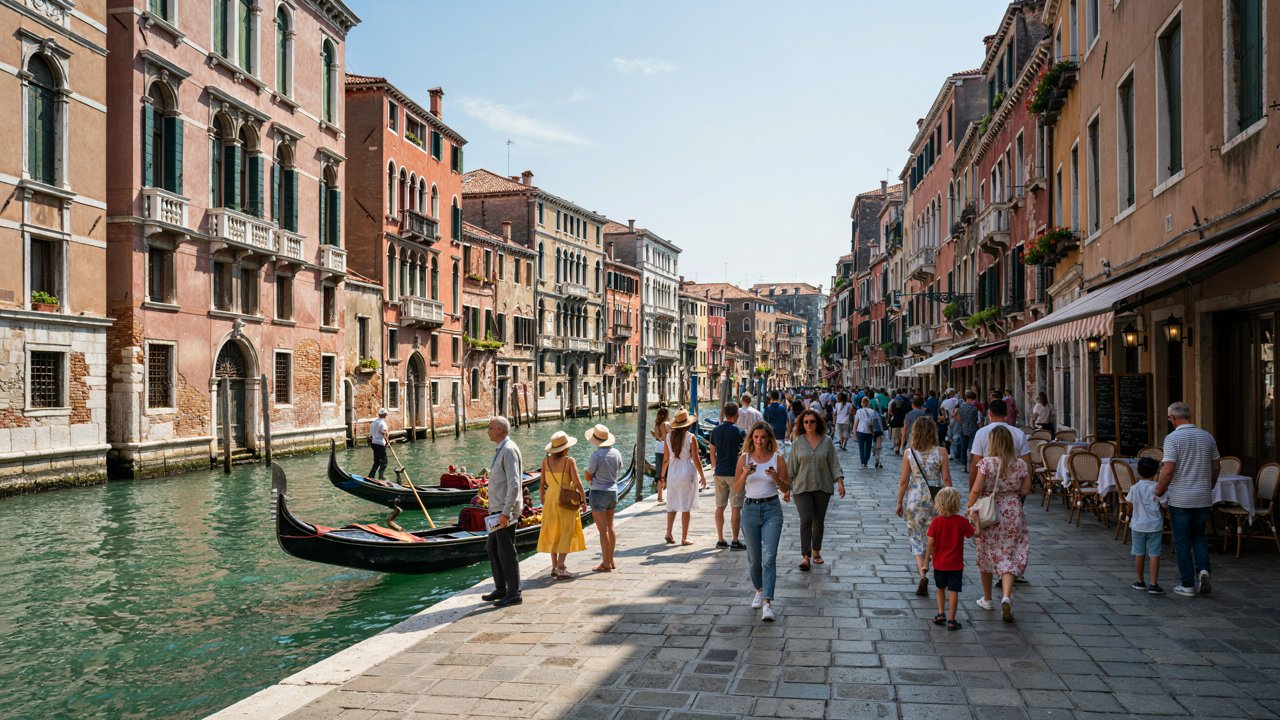
A major shift in how some of Europe’s best-known destinations treat international visitors is taking place in Spain, Italy, France and Portugal. With demand for tourism rising, there are questions about housing, the environment and community living, from the architecture of Barcelona to the canals of Venice, the beaches of Mallorca and the districts of Paris. As local authorities put in place measures on accommodation, lodging fees and conservation, these eight locations are showing how the tourism market is changed in Europe by 2026. The changes are designed to safeguard cultural traditions while balancing tourism and the needs of local communities.
Spain’s Barcelona Introduces Sweeping Holiday Rental Reforms to Protect Residential Housing
One of the major changes in the tourism lodging sector is being undertaken by Barcelona.
Advertisement
Advertisement
The city is globally famous for sites like the Sagrada Família, Park Güell, Gothic Quarter and its Mediterranean vibe.
In spite of that, the increasing need for accommodations for tourists has raised the issue of housing availability.
Advertisement
Advertisement
Accordingly, the city administration stated that it won’t be renewing over 10,000 permits for tourist apartments after they expire in November 2028.
This policy has a goal to bring apartments into residential use and improve housing availability.
Advertisement
Advertisement
It’s necessary to stress that this measure doesn’t mean an outright ban of tourism or hotels.
Barcelona continues to encourage tourists while implementing these measures aiming at maintaining a balance between tourism development and the life of the neighborhoods.
Advertisement
Advertisement
Italy’s Venice Reshapes Day-Trip Tourism Through Its Historic City Access Programme
Venice remains one of Europe’s most extraordinary destinations, drawing travellers to St Mark’s Square, the Grand Canal and its remarkable architectural heritage.
However, the city’s compact historic centre faces significant pressure from concentrated visitor arrivals.
To improve tourism management, Venice continued its experimental day-visitor access contribution programme during selected dates in 2026.
Eligible visitors paid either €5 or €10, depending on how far in advance they completed payment.
Advertisement
Advertisement
The programme operated across 60 designated days between April and July.
Importantly, the 2026 charging period concluded on 26 July, meaning the access contribution is not currently applicable during October.
The initiative reflects Venice’s wider efforts to manage visitor flows and preserve its fragile historic environment while maintaining international tourism appeal.
Spain’s Mallorca Highlights Growing Demand for Sustainable Mediterranean Tourism
Mallorca remains one of Spain’s most popular island destinations, attracting visitors through its beaches, historic towns and mountainous landscapes.
Palma, the island’s capital, combines Gothic architecture with cultural attractions and Mediterranean hospitality.
However, seasonal visitor concentrations have intensified concerns involving housing affordability, transport congestion and environmental resources.
Advertisement
Advertisement
Public demonstrations have brought greater attention to the relationship between tourism development and residents’ quality of life.
The debate largely focuses on how tourism operates rather than opposition to every individual holidaymaker.
Local concerns include access to public spaces, housing availability and the impact of intensive seasonal activity.
Mallorca’s experience demonstrates why popular island destinations increasingly need policies that protect local communities while maintaining viable tourism economies.
Spain’s Canary Islands Introduce Conservation Charges to Protect Their Natural Treasures
The Canary Islands combine unusual volcanic lands, beaches, and regular opportunities holidays.
The island of La Palma is becoming one of the most popular holiday destinations.
But it also put a huge load on the environment as tourism develops.
In 2026, the Government of the Canary Islands introduced the access fee for some trails in Teide National Park.
There are various types of access permissions, which depend on residence and visitor classification.
As for non-residents, the maximum access fee is €25.
Local authorities also created the new reservation system.
The idea of those changes is to keep people from entering some volcanoes that are very attractive tourist destinations.
Advertisement
Advertisement
Portugal’s Lisbon Strengthens Holiday Accommodation Regulation Amid Housing Pressures
Lisbon continues to attract travellers through its historic neighbourhoods, traditional trams, cultural landmarks and vibrant hospitality industry.
Alfama, Belém and Bairro Alto remain popular locations for international sightseeing.
However, the growth of short-term accommodation has become an important issue in discussions about housing and urban development.
Lisbon revised its municipal local accommodation regulations in December 2025.
The updated framework supports the management of tourist accommodation in different neighbourhoods, particularly where housing and visitor activity are closely connected.
These measures form part of broader efforts to balance tourism demand with residential needs.
Advertisement
Advertisement
For travellers, Lisbon continues to offer memorable cultural experiences, although accommodation providers must comply with applicable registration and licensing requirements.
France’s Nice and Cannes Seek Greater Balance Between Cruise Tourism and Coastal Heritage
France’s Mediterranean Riviera remains internationally renowned for its scenic coastline, elegant resorts and cultural attractions.
Nice offers historic streets, waterfront promenades and access to the surrounding region.
Cannes attracts visitors through its famous seaside setting, cultural events and Mediterranean lifestyle.
However, cruise passenger arrivals have generated debate about congestion and the pressure placed on coastal infrastructure.
Local discussions increasingly focus on how cruise tourism can be managed without compromising environmental quality or everyday urban life.
Advertisement
Advertisement
Measures concerning cruise ship access and passenger flows have featured in destination management plans, although restrictions vary between ports.
The French Riviera continues to welcome visitors, with the emphasis increasingly placed on balancing tourism activity with long-term coastal protection.
France’s Montmartre Protects Its Artistic Identity as Paris Tourism Continues to Expand
Montmartre is among Paris’s most recognisable cultural districts, celebrated for its artistic history, narrow streets and panoramic city views.
The Sacré-Cœur Basilica and Place du Tertre attract substantial numbers of international visitors.
However, concentrated tourism activity has raised concerns about pedestrian congestion, residential housing and the character of local businesses.
Paris City Council adopted a resolution in November 2025 addressing excessive tourism pressure in Montmartre.
Advertisement
Advertisement
The resolution highlighted difficulties affecting residents, public spaces and neighbourhood services.
It also identified Sacré-Cœur as one of France’s most visited monuments.
The initiative reflects the city’s efforts to preserve Montmartre’s cultural identity while continuing to welcome visitors interested in its artistic heritage.
Spain’s Ibiza and Menorca Bring Responsible Island Tourism Into Greater Focus
Ibiza and Menorca represent two further examples of Spain’s changing tourism landscape.
Ibiza is internationally recognised for its beaches, entertainment and Mediterranean lifestyle.
Menorca offers a quieter island experience associated with coastal scenery, historic settlements and protected natural environments.
Advertisement
Advertisement
However, both destinations face challenges involving seasonal tourism, housing and environmental resources.
Concerns about holiday accommodation and access to local facilities have contributed to wider discussions about tourism regulation across the Balearic Islands.
Regional authorities have strengthened enforcement against unlicensed tourist accommodation.
For visitors, choosing properly registered accommodation and respecting protected natural areas remain important considerations.
The experiences of Ibiza and Menorca highlight how different island destinations can face similar pressures despite offering distinct holiday experiences.
Eight European Holiday Destinations Experiencing Changing Tourism Policies
| Country | Destination | Main tourism attraction | Key concern or development |
|---|---|---|---|
| Spain | Barcelona | Architecture and cultural heritage | Tourist apartment licensing reforms |
| Italy | Venice | Canals and historic landmarks | Seasonal day-visitor charges |
| Spain | Mallorca | Beaches and island culture | Housing and seasonal visitor pressure |
| Spain | Canary Islands | Volcanic scenery and coastal holidays | Conservation charges and access controls |
| Portugal | Lisbon | Historic neighbourhoods and city breaks | Short-term accommodation regulation |
| France | Nice and Cannes | Riviera coastline and cultural tourism | Cruise passenger management |
| France | Montmartre, Paris | Artistic heritage and Sacré-Cœur | Neighbourhood preservation |
| Spain | Ibiza and Menorca | Beaches and Mediterranean experiences | Holiday rental regulation and sustainability |
The measures differ considerably between destinations and should not be interpreted as a Europe-wide restriction on international travel.
Advertisement
Advertisement
Europe’s Tourism Industry Enters a New Phase of Community-Focused Destination Management
The changing tourism policies across Spain, Italy, France and Portugal reflect a broader shift in how popular European destinations assess visitor growth.
Tourism continues to support accommodation, restaurants, transport and cultural attractions.
However, concentrated demand can create pressure on housing, public infrastructure and natural resources.
Destination authorities are increasingly using accommodation regulations, reservation systems and visitor charges to address specific local challenges.
These approaches do not necessarily indicate that travellers are unwelcome.
Instead, they demonstrate the importance of ensuring that tourism growth remains compatible with residential life and heritage conservation.
Advertisement
Advertisement
For international visitors, responsible travel practices can contribute to more balanced holiday experiences.
Frequently Asked Questions
1. Are European countries banning international tourists?
No. The measures described primarily concern accommodation, visitor management and environmental protection rather than general bans on tourists.
2. Will Barcelona stop allowing tourist apartments?
Barcelona intends to discontinue approximately 10,100 licensed tourist apartments by November 2028, while hotels and other permitted accommodation remain available.
3. Does Venice charge an entry fee in October 2026?
Advertisement
Advertisement
No. The city’s 2026 access contribution programme concluded on 26 July.
4. Why is Tenerife introducing environmental charges?
The charges support conservation and visitor management on designated trails within Teide National Park.
5. Are Mallorca, Ibiza and Menorca still welcoming holidaymakers?
Yes. All three remain established international tourism destinations, although authorities are addressing concerns about accommodation, environmental resources and seasonal demand.
6. What is changing in Lisbon’s tourism accommodation market?
Advertisement
Advertisement
Lisbon has updated regulations governing local accommodation to better manage tourist rentals and their relationship with residential neighbourhoods.
Europe’s Most Celebrated Destinations Embrace a New Vision for Responsible Travel
Spain, Italy, France, and Portugal showcase how the tourism sector is changing in popular tourist locations in Europe.
Barcelona’s hotel reforms, Venice’s accessibility program, and Tenerife’s environmental taxes present different policies aimed at achieving a balance between tourism and local priorities.
At the same time, the cases of Mallorca, Lisbon, Montmartre, and the Balearic Islands prove that the attention paid to local housing, cultural heritage preservation, and community happiness is on the rise.
Despite the popularity of these destinations among tourists, their changing policies demonstrate that successful tourism is more than just an increase in the number of visitors.
Europe is moving towards sustainable tourism, and safeguarding local communities and their unique cultural sights is important for maintaining its international tourism appeal.
Advertisement
