
Germany Strengthens Tourism Reach In South-east Asia As Singapore Office Returns To Drive Visitor Growth

Updated
Published
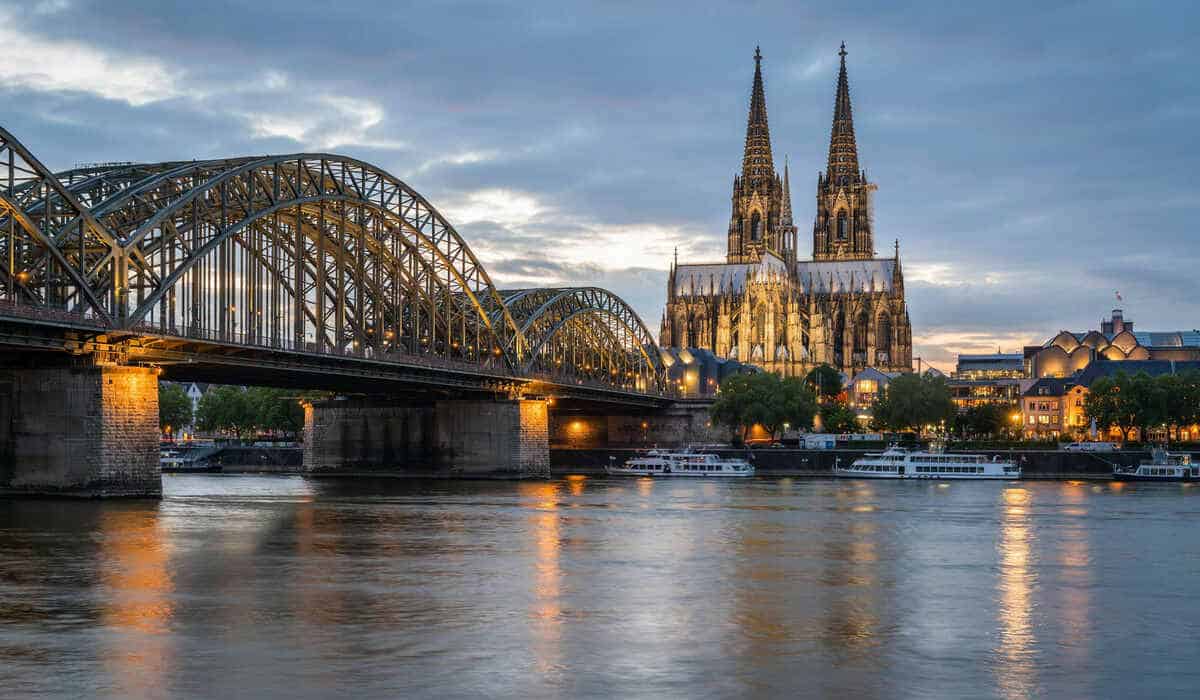
Image generated with Ai
Germany is opening up to South-East Asia as a new market, offering a variety of different things to a region of growing tourism. Germany is looking to attract more tourists as it tries to build its presence in a region with a growing market of both business and leisure travelers. Germany, as the World’s favorite business and leisure destination with a wealth of options for the discerning traveler who seeks unique experiences and high-class entertainment, can satisfy even the most exigent clients. Therefore, it is no surprise that Germany’s latest marketing campaign to promote its tourism potential has already gained the attention of a number of would-be visitors from one of the most competitive tourist regions in the World.
Germany Rebuilds South-east Asia Tourism Strategy With Renewed Regional Focus
Germany is placing South-east Asia at the centre of its future tourism growth plans as global travel patterns continue to change. The German National Tourist Board (GNTB) has restored its tourism presence in Singapore to strengthen destination promotion, develop industry partnerships and build closer relationships with travel businesses across the region.
Advertisement
Advertisement
Germany had previously established its first presence in South-east Asia through Singapore more than a decade ago. The initiative helped create strong regional networks and contributed to significant growth in overnight stays from Asian travellers. However, the operation was discontinued in 2020 during the Covid-19 pandemic when international tourism faced major disruption.
The renewed focus reflects the growing importance of South-east Asia as a valuable source market for Germany. The region has recovered strongly after the pandemic and is once again becoming a key contributor to international tourism growth.
Advertisement
Advertisement
South-east Asia Emerges As A High-Value Market For Germany Tourism
South-east Asian travellers are becoming increasingly important for Germany’s tourism economy because of their spending power, longer stays and growing interest in meaningful travel experiences.
Advertisement
Advertisement
According to tourism data, South-east Asia generated around 1.73 million overnight stays in Germany in 2025. The five priority markets of Singapore, Indonesia, Thailand, Malaysia and Vietnam all recorded increased travel demand towards Germany between 2023 and 2025.
Vietnam recorded the strongest improvement among these markets, with trips to Germany increasing by 12.1 per cent during the period.
Travellers from South-east Asia also delivered significant economic value. In 2025, visitors from the region spent around €1.34 billion in Germany.
Singapore represented the largest share of spending with approximately €400 million, followed by Thailand and Indonesia with around €300 million each. Malaysia contributed about €200 million, while Vietnam accounted for approximately €100 million.
These travellers also stayed longer than many international visitors, with an average stay of 10.4 nights. Longer stays provide additional benefits for German hotels, restaurants, retailers and tourism businesses.
Advertisement
Advertisement
Germany Targets Five Key South-east Asian Markets With Tailored Tourism Plans
Germany’s tourism strategy recognises that each South-east Asian market has different travel behaviours and opportunities.
Singapore remains a premium market with strong purchasing power and demand for quality travel experiences. Malaysian travellers represent a promising segment due to easy travel access and high daily spending levels.
Thailand and Vietnam are showing increasing interest in leisure travel, with visitors looking for cultural experiences, heritage destinations and unique European journeys. Indonesia offers significant long-term potential because of its large population and expanding international travel market.
By focusing on these five markets, Germany aims to create stronger connections with travellers and tourism partners while developing campaigns that match regional preferences.
Authentic Experiences Drive New Demand For Germany Travel
Changing traveller behaviour is creating new opportunities for Germany. South-east Asian visitors are moving beyond traditional sightseeing and are increasingly searching for experiences that feel authentic, personal and memorable.
Advertisement
Advertisement
Germany’s tourism strengths closely match these changing preferences. The country offers historic cities, UNESCO World Heritage Sites, castles, festivals, scenic routes, local neighbourhoods and diverse culinary traditions.
The destination’s tourism identity focuses on cultural depth, hospitality and variety. From historic towns and vibrant urban districts to regional food traditions and countryside landscapes, Germany is positioning itself as a destination where travellers can experience more than famous attractions.
Germany Expands Digital Campaigns To Inspire Future Travellers
Germany’s renewed tourism approach will include stronger digital communication and coordinated campaigns aimed at consumers and travel industry partners.
The destination will continue promoting its international brand message, highlighting Germany as a diverse and inspiring destination for modern travellers.
The 2026 campaign, “Next Stop: Travel Destination Germany”, focuses on urban diversity by showcasing major cities, smaller towns, creative neighbourhoods, local markets and living cultural experiences.
Advertisement
Advertisement
The campaign aims to attract travellers who want deeper connections with destinations rather than short visits focused only on popular landmarks.
Germany is also promoting its culinary strengths through the “Culinary Germany” campaign. The initiative highlights regional specialities, seasonal products, wine regions, beer culture, traditional bread, local markets, festivals and Michelin-starred restaurants.
Food tourism has become an important travel trend, particularly among Asian visitors who increasingly view cuisine as a way to understand local culture.
Germany Builds A Stronger Future With South-east Asian Travellers
Germany’s renewed focus on South-east Asia reflects a wider shift towards high-value, experience-based tourism. The country is strengthening its position among Asian travellers by combining heritage, culture, hospitality and modern travel experiences.
Germany, a major European competitor is the second most popular choice among both Singapore, Thai and Vietnam tourists, and the fourth – for both Indonesia and Malaysia’s visitors.
Advertisement
Advertisement
Germany is set to boost the number of South-east Asian visitors by intensifying its efforts in this region through new initiatives, partnerships and promotional programs to help meet the growing demand for authentic German experiences.
By strengthening collaboration with influential market players and focusing on experiences, Germany is positioning itself to increase tourism from South-east Asia and benefiting from the long-term prospect of this strategically important region.
Advertisement
