
New York Harbor, Statue of Liberty, Hudson River Set for Queen Mary 2’s July 4 Tourism Showcase

Published
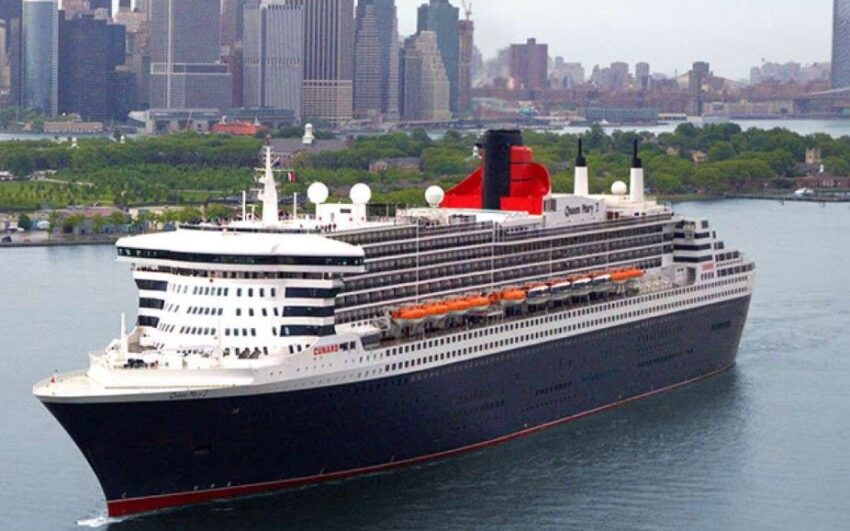
New York Harbor, the Statue of Liberty and the Hudson River are set to become a major tourism spotlight on July 4 as Cunard’s Queen Mary 2 prepares to take part in the Sail4th 250 celebration in the Port of New York and New Jersey. The event will place the ship in the center of a large maritime gathering that is designed to mark America’s two hundred fiftieth anniversary and attract wide public attention to New York’s waterfront tourism corridor.
The July 4 parade is expected to bring together the largest international flotilla of tall ships and naval vessels ever assembled, with the route running from the Verrazzano-Narrows Bridge past the Statue of Liberty and up the Hudson River toward the George Washington Bridge. That scale makes the occasion more than a ceremonial sail-by; it is a major tourism event that could strengthen New York’s image as a global maritime destination.
Maritime Tourism Boost
Cunard’s participation links a modern cruise brand with one of the most visible public celebrations in the United States. The company has framed the voyage as meaningful because it aligns with its own maritime history, including the anniversary of its first transatlantic crossing and more than one hundred seventy-eight years of calls at the Port of New York. For tourism, that kind of heritage storytelling adds depth to the event and gives visitors another reason to engage with the city’s waterfront.
The event is also expected to draw strong spectator interest along the New York and New Jersey shoreline. Public viewing areas, harbor activity and the presence of tall ships typically create spillover benefits for nearby tourism businesses, including hotels, restaurants, transit services and sightseeing operators. In practical terms, that means the parade can help extend the tourism value of Independence Day far beyond a single fireworks display.
Advertisement
Advertisement
Queen Mary 2’s Role
The Queen Mary 2 will not simply pass through the harbor; it is being positioned as a centerpiece of the celebration. Cunard’s plan places the ship alongside more than one hundred vessels during the parade, creating one of the most photographed tourism moments of the summer. The ship will then continue on a seven-night sailing that highlights the shared maritime history of the United States and the United Kingdom.
This matters for tourism because cruise itineraries increasingly rely on destination experiences as much as onboard amenities. A high-profile harbor appearance gives the voyage added appeal for travelers who want a memorable event rather than a standard departure. That also supports New York’s wider tourism brand by linking the city to a globally recognized ocean liner. That scale makes the occasion more than a ceremonial sail-by; it is a major tourism event that could strengthen New York’s image as a global maritime destination.
Advertisement
Advertisement
Historic Port Legacy
Cunard’s New York story stretches back to 1847, when the line first entered New York Harbor with the Hibernia. Since then, it has called at the Port of New York every year, making it the longest-running port relationship in the company’s history. That history gives the July 4 event a strong heritage angle that can resonate with tourism audiences interested in maritime tradition.
The company has also highlighted the 450th transatlantic crossing aboard Queen Mary 2, scheduled for this November, and has opened a sweepstakes for two places on the voyage until July 31. While that promotion sits outside the July 4 parade itself, it reinforces the broader tourism message: Cunard is using milestone events to connect cruise travel with historical storytelling and destination appeal.
Tourism Value For New York
For New York tourism, Sail4th 250 offers a rare combination of pageantry, history and waterfront visibility. The route past the Statue of Liberty and along the Hudson River turns the harbor into a living tourism asset, one that can be marketed far beyond the holiday weekend. Events of this kind tend to generate media coverage that benefits destination branding long after the ships leave the harbor.
The celebration also strengthens the city’s position in the cruise and heritage tourism markets. Visitors drawn by the flotilla may extend their stays, visit museums, cruise terminals and waterfront landmarks, or plan future trips around similar maritime events. In that sense, Queen Mary 2’s appearance is likely to have a real tourism impact well beyond the parade itself.
Image Credit: Cunard
Advertisement
