
United States Teams Up with Canada, Mexico, United Kingdom, and Japan as San Francisco Hotels Generate Twelve Billion Dollars in Tourism Economic Impact, Strengthen Global Travel Confidence, Create Nearly Fifty Thousand Jobs, Boost Visitor Spending, and Accelerate the City’s Recovery as a Premier International Business and Leisure Destination: Exclusive

Published
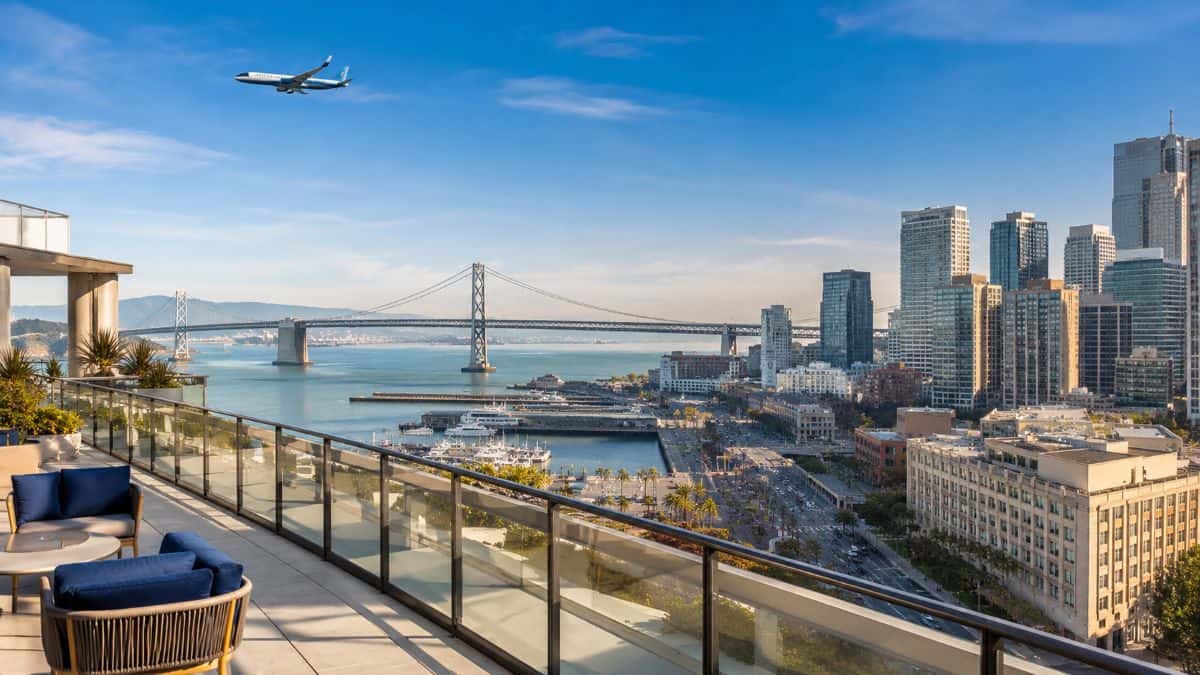
Image generated with Ai
San Francisco’s hotel industry has emerged as one of the strongest pillars supporting the recovery of the United States tourism economy, demonstrating how hospitality investment continues to stimulate broader economic growth. A newly released economic analysis highlights that hotels across San Francisco generated more than $12 billion in economic impact during 2025, reinforcing the city’s position among the world’s leading destinations for leisure, conventions, and international business travel. The findings underline the growing importance of the hospitality sector as travelers increasingly return to California following years of pandemic-related disruption.
The latest figures also reflect how coordinated efforts between city leadership, tourism organizations, and the hotel industry have contributed to rebuilding visitor confidence. Improved public safety initiatives, renewed convention activity, expanding international tourism, and stronger partnerships between public and private stakeholders have helped create a more favorable environment for travelers. Beyond accommodation, hotel guests continue to fuel restaurants, retail stores, entertainment venues, transportation providers, museums, and cultural attractions, illustrating the extensive multiplier effect that tourism has across San Francisco’s economy.
San Francisco Hotels Deliver More Than Twelve Billion Dollars in Economic Impact
| Economic Indicator | 2025 Performance |
|---|---|
| Total Economic Impact | Over $12 Billion |
| Total Visitor Spending | Approximately $8 Billion |
| Total Jobs Supported | Nearly 50,000 |
| Direct Hotel Employment | Around 16,000 |
| Indirect and Induced Jobs | Around 34,000 |
| Total Tax Revenue | Approximately $2 Billion |
| Average Citywide Spending per Hotel Room Night | About $900 |
The latest economic assessment demonstrates that San Francisco’s hospitality sector extends well beyond hotel operations. Every occupied hotel room contributes substantial spending throughout the local economy, benefiting numerous industries connected to tourism.
Visitors staying overnight continue spending on restaurants, neighborhood retailers, museums, performing arts venues, transportation services, sporting events, waterfront attractions, and local experiences. This broad distribution of tourism spending helps diversify economic benefits across multiple communities.
Advertisement
Advertisement
Hotels Continue Driving the City’s Tourism Recovery
| Tourism Recovery Drivers | Economic Contribution |
|---|---|
| Convention Business | Higher hotel occupancy |
| International Visitors | Increased visitor spending |
| Business Travel | Weekday hotel demand |
| Leisure Tourism | Restaurant and attraction growth |
| Public Safety Improvements | Greater traveler confidence |
| Commercial District Revitalization | Stronger local economy |
San Francisco’s tourism recovery reflects years of coordinated planning involving municipal leaders, destination marketers, convention organizers, hospitality businesses, airlines, and local entrepreneurs.
The city’s renewed focus on revitalizing downtown districts, improving visitor experiences, and restoring confidence among domestic and international travelers has supported increasing hotel demand throughout the year. Business events and international conferences have also returned in greater numbers, providing a significant boost to weekday occupancy while leisure travelers continue filling hotels during weekends and holiday periods.
Advertisement
Advertisement
The combination of corporate meetings, conventions, cultural tourism, sporting events, and international leisure travel has diversified visitor demand, making San Francisco’s hospitality recovery more resilient.
Visitor Spending Extends Across the Entire Local Economy
Hotels often serve as the starting point of a visitor’s travel experience, but their economic influence reaches much further.
The report indicates that hotel guests collectively spent around $8 billion throughout San Francisco, supporting thousands of independent businesses and tourism-related enterprises.
Restaurants remain among the largest beneficiaries as travelers increasingly seek local culinary experiences ranging from neighborhood cafés to Michelin-recognized dining establishments. Retail businesses also benefit from visitor purchases that include apparel, souvenirs, specialty products, technology, and luxury goods.
Museums, theaters, galleries, waterfront attractions, guided tours, and entertainment venues similarly experience stronger attendance as hotel occupancy rises.
Transportation providers—including taxis, rideshare services, ferries, public transit, and airport services—also benefit from sustained visitor activity throughout the metropolitan area.
Advertisement
Advertisement
Employment Growth Highlights Hospitality’s Broader Economic Importance
| Employment Category | Estimated Jobs |
|---|---|
| Hotel Operations | Approximately 16,000 |
| Supporting Industries | Approximately 34,000 |
| Total Employment Supported | Nearly 50,000 |
Hospitality remains one of San Francisco’s largest employment generators.
While thousands work directly in hotel operations through front desk services, housekeeping, maintenance, food and beverage, event management, and administration, many more jobs exist because of tourism-related demand.
Construction firms, suppliers, laundry services, transportation companies, food distributors, event planners, audiovisual providers, marketing agencies, local attractions, and small businesses all benefit from hotel activity.
This interconnected employment network illustrates why hotel performance remains an important indicator of the city’s broader economic health.
Tax Revenue Supports Public Services and Infrastructure
Tourism also contributes significantly to public finances.
According to the economic findings, hotels generated approximately $2 billion in tax revenue, providing substantial funding for essential public services and long-term infrastructure improvements.
Advertisement
Advertisement
Tourism-generated taxes help finance transportation systems, public safety programs, parks, cultural institutions, convention facilities, community development initiatives, and visitor services.
As visitor volumes continue increasing, these revenues create additional opportunities for future investments that improve both resident quality of life and visitor experiences.
Public-Private Partnerships Strengthen Tourism Growth
One of the defining themes emerging from the report is the importance of collaboration.
City officials, tourism organizations, hospitality leaders, convention planners, airlines, and local businesses have increasingly worked together to improve San Francisco’s competitiveness within the global travel market.
Efforts to enhance public safety, revitalize commercial districts, improve visitor infrastructure, attract major events, and strengthen destination marketing have all contributed to increasing travel demand.
These collaborative strategies position San Francisco to compete more effectively against other international gateway cities while attracting both business travelers and leisure visitors.
Advertisement
Advertisement
Convention Tourism Continues Returning
Convention travel remains one of the strongest economic drivers for San Francisco.
Major meetings and exhibitions generate extended hotel stays while producing additional spending across restaurants, transportation, retail, entertainment, and event services.
Convention delegates frequently extend business trips into leisure vacations, creating additional tourism opportunities that further strengthen local economic activity.
As more international conferences return to San Francisco, hotels are expected to benefit from higher occupancy rates throughout the calendar year.
International Tourism Supports Long-Term Growth
San Francisco continues attracting travelers from major international markets because of its globally recognized attractions, diverse cultural neighborhoods, innovation economy, waterfront scenery, and access to Northern California destinations.
Growing international arrivals support premium hotel demand while encouraging longer visitor stays and higher overall spending.
Advertisement
Advertisement
The city’s strong aviation connectivity also reinforces its position as a gateway for travelers exploring California and the broader western United States.
With continued investment in destination marketing and visitor experiences, international tourism is expected to remain a significant contributor to future economic expansion.
California’s Hospitality Industry Benefits from San Francisco’s Performance
San Francisco’s recovery also strengthens California’s wider tourism ecosystem.
Many visitors combine San Francisco with destinations including Napa Valley, Sonoma County, Yosemite National Park, Monterey, Carmel, Lake Tahoe, and the Pacific Coast Highway, extending tourism spending across multiple regions.
This interconnected travel pattern supports hotels, attractions, transportation providers, wineries, restaurants, and local businesses throughout California.
As gateway cities perform strongly, neighboring tourism destinations likewise benefit from increased visitor movement across the state.
Advertisement
Advertisement
Outlook for San Francisco Tourism
The latest economic findings indicate positive momentum for San Francisco’s visitor economy.
Growing convention bookings, expanding leisure demand, stronger international travel, improving business confidence, and continued collaboration between government and industry all point toward sustained tourism growth.
Hotels remain central to this progress by providing accommodation while simultaneously stimulating spending across nearly every sector connected to travel.
As global tourism continues recovering, San Francisco appears well positioned to strengthen its reputation as one of North America’s leading urban destinations for business, culture, innovation, and leisure travel.
Frequently Asked Questions
1. How much economic impact did San Francisco hotels generate in 2025?
San Francisco hotels generated more than $12 billion in total economic impact during 2025.
2. How many jobs are supported by the city’s hotel industry?
The sector supports nearly 50,000 jobs, including approximately 16,000 direct hotel positions and around 34,000 jobs across related industries.
Advertisement
Advertisement
3. How much did hotel guests spend throughout San Francisco?
Visitors staying in hotels spent approximately $8 billion at hotels and local businesses.
4. How much tax revenue did the hotel industry generate?
Hotels contributed around $2 billion in tax revenue supporting public services and infrastructure.
5. How much does each hotel room night contribute to the local economy?
Each occupied hotel room night generates roughly $900 in citywide visitor spending.
6. Why is the hotel industry important to San Francisco tourism?
Hotels support employment, attract conventions, encourage international tourism, and generate spending across restaurants, retail, entertainment, and transportation.
7. What factors are helping San Francisco’s tourism recovery?
Improved public safety, stronger public-private partnerships, returning conventions, and increased domestic and international travel are contributing to the recovery.
8. How do conventions benefit San Francisco hotels?
Conventions increase hotel occupancy, extend visitor stays, and generate additional spending throughout the local economy.
Advertisement
Advertisement
9. Why does visitor spending matter beyond hotels?
Tourists support thousands of restaurants, shops, museums, attractions, transportation providers, and small businesses, creating widespread economic benefits.
10. What is the outlook for San Francisco’s tourism industry?
Current trends suggest continued growth supported by expanding tourism demand, convention activity, international travel, and ongoing collaboration between government and the hospitality industry.
Advertisement
