
Unlocking Inland Spain: New Cultural Heritage and Gastronomy Routes for Hong Kong Travelers

Published
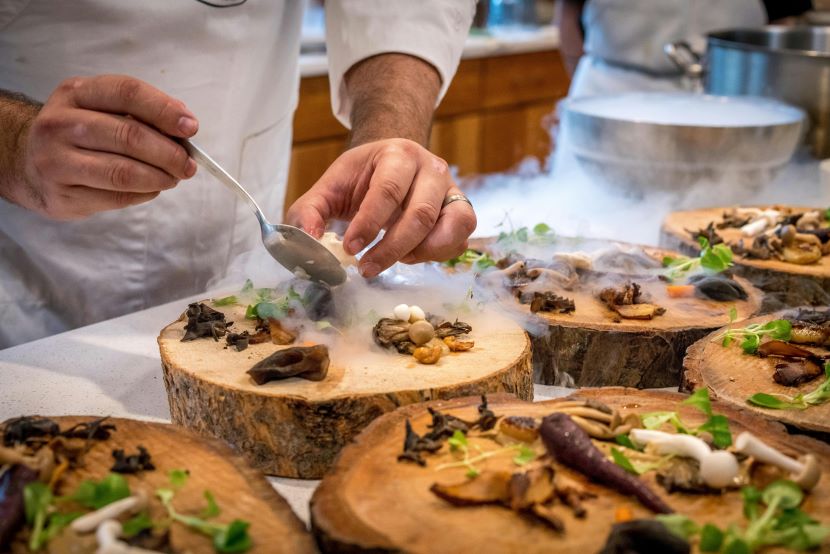 Image generated with Ai
The vibrant landscape of Spain tourism was brought to the forefront during a specialized promotional gathering organized for the Hong Kong travel market. This initiative was spearheaded by the Tourism Office of the Consulate General of Spain in Guangzhou, with the primary objective of introducing seasoned travelers to the profound beauty of inland Spain routes. It is often observed that international perceptions of the Iberian Peninsula are heavily focused on coastal retreats; however, this event was designed to shift that narrative toward the cultural heritage and historical depth found within the heart of the country. By highlighting UNESCO World Heritage cities, the presentation provided a comprehensive look at the diverse experiences awaiting those who venture beyond the traditional beach holiday. Furthermore, the integration of Spanish gastronomy and outdoor adventures into these itineraries reflects the evolving nature of European travel trends, where authenticity and immersion are increasingly valued by the global tourism community.
Challenging the Coastal Stereotype
The traditional image of Spain as a destination primarily defined by its sun-drenched Mediterranean coastlines is being actively reimagined. On a recent Wednesday in Hong Kong, a strategic effort was made by Spanish tourism authorities to showcase the country’s vast and varied interior. It was argued during the session that the inland territories offer a more contemplative and deeper travel experience compared to the bustling maritime hubs. This shift in focus is intended to appeal to the “avid traveler”—individuals who seek more than just leisure and are instead drawn to the historical narratives and architectural marvels that define the Spanish identity. The promotion was attended by a wide array of media representatives and travel industry professionals, all of whom were introduced to the idea that Spain’s true essence is often found in its quiet, landlocked provinces.
The Journey Through Time and Stone
A specific thematic route was introduced to emphasize the historical legacy of the nation. This journey is designed to commence in the capital city of Madrid, serving as a gateway to several cities recognized by UNESCO for their outstanding universal value. The cities of Segovia, Ávila, Burgos, León, and Salamanca were highlighted as essential stops. These locations are characterized by their ancient fortifications, towering cathedrals, and narrow medieval corridors. In the official presentation, these destinations were described as vessels for the cultural memories of Spain’s various historical eras. The architectural evolution from Romanesque to Gothic and Renaissance styles is visible in these streets, providing a tangible link to the past for any visitor. The preservation of these sites is a testament to the country’s commitment to its historical narrative.
A Tapestry of Multicultural Heritage
The second route presented to the Hong Kong audience focused on the multicultural tapestry that has been woven over centuries of Iberian history. This itinerary includes stops in Toledo, Cuenca, Cáceres, Mérida, and Córdoba. It is within these urban centers that the coexistence of different civilizations is most strikingly evident. Travelers are invited to witness the physical remnants of Roman theatres, Islamic mosques, Jewish quarters, and Christian cathedrals, often standing within a few blocks of one another. This route serves as a living overview of a complex history, offering insights into how various religious and ethnic groups have shaped the social and architectural landscape of the region. The city of Mérida, in particular, was noted for its remarkably preserved Roman ruins, while the “Hanging Houses” of Cuenca were cited as a marvel of medieval engineering and adaptation to the natural environment.
Advertisement
Advertisement
The Green Heart and Gastronomic Excellence
For those whose interests lean toward the natural world and the culinary arts, a third route was proposed, stretching from the cosmopolitan hub of Barcelona into the rugged northern territories. This path traverses the Pyrenees, Aragón, Navarra, and the world-renowned wine region of La Rioja. Often referred to as the “green heart” of the country, this area is home to the Ordesa y Monte Perdido National Park and the ancient Irati Forest. These locations offer a stark contrast to the arid plains of the south, providing lush landscapes for outdoor enthusiasts. In addition to the natural scenery, this route emphasizes the importance of viticulture and gastronomy. The vineyards of Rioja are presented not just as production sites for world-class wine, but as cultural institutions that offer a sensory connection to the land.
Cultivating Authentic Travel Experiences
The overarching theme of the promotional event was the pursuit of authenticity. It was suggested that the modern traveler from Hong Kong is increasingly looking for experiences that are both educational and emotionally resonant. By moving away from mass tourism models and focusing on specialized inland routes, the Spanish tourism board aims to satisfy this demand for depth. The diversity of the landscapes—ranging from the snow-capped peaks of the Pyrenees to the historic plazas of Salamanca—ensures that a wide variety of interests can be met. The event concluded with a reinforced message that the interior of Spain is a treasure trove of art, history, and nature, waiting to be explored by those willing to take the path less traveled. Through these initiatives, the bond between the Spanish tourism sector and the Hong Kong travel market is expected to strengthen, fostering a new era of sophisticated exploration.
Advertisement
Advertisement
Advertisement
