
Shimoina Ignites A Dark Skies Travel Boom, But What Makes This Hidden Stargazing Paradise So Special In Japan?

Updated
Published
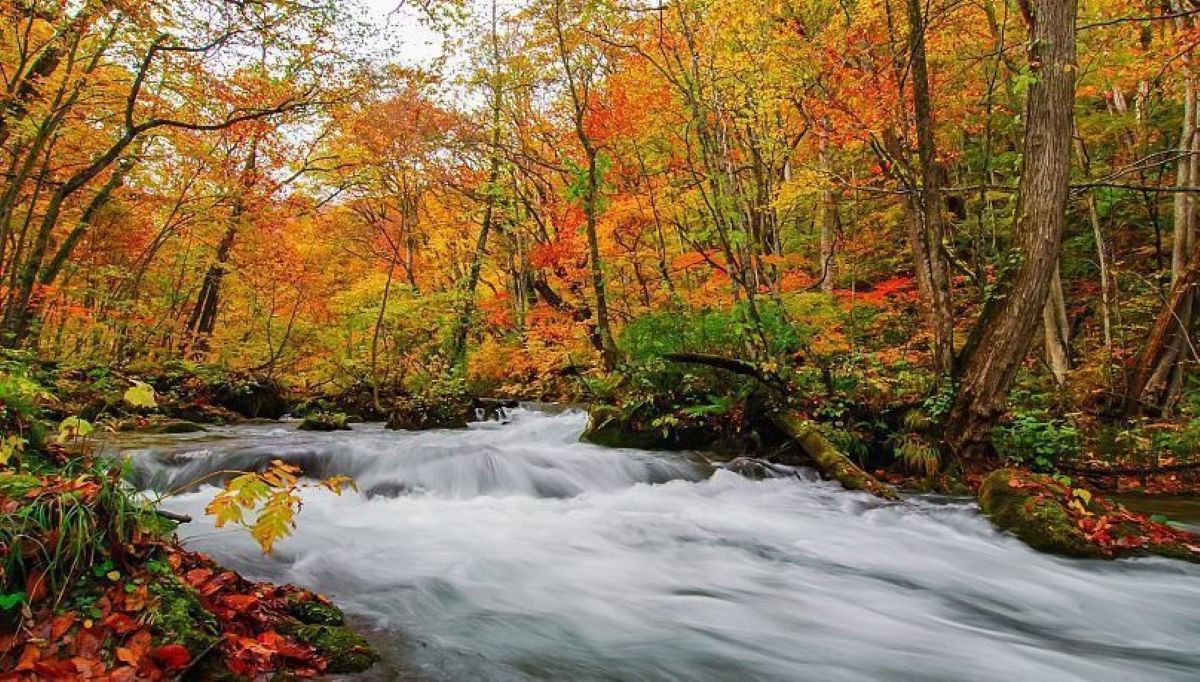
Tucked quietly between the soaring Central and Southern Alps Shimoina is not a place you visit it is a destination that stays with you forever. From mornings over Tenryukyo Gorge to crisp nights under a blanket of stars at Star Village, this hidden sanctuary, in Nagano Japan captures the raw unfiltered soul of travel. Here ancient tradition is not a museum display; it is lived every day. Whether you are savoring Shinshu Premium beef in Iida City or soaking away your worries in the warm waters of Hirugami Onsen every single moment feels deeply personal and unforgettable.
Understanding the Transformative Horizons in Global Tourism: Unveiling the Alpine Splendor and Cultural Heritage of Shimoina, Japan
It was observed that Shimoina, located in Nagano, establishes a fresh standard for international leisure trips. Travel analysts noted that Shimoina actively reshapes regional tourism paradigms through sustainable community practices. Furthermore, this mountain locale in Japan seamlessly merges pristine natural environments with historic heritage. Vacationers who seek deep cultural engagement now prefer such authentic destinations over crowded cities. Consequently, global trip planning reflects an increasing demand for rural tranquility and wellness opportunities. Therefore, this stunning territory acts as an exemplary framework for future travel development worldwide.
Industry observers stated that traveler preferences are rapidly evolving toward high-altitude sanctuary experiences across all continents. Moreover, the integration of pristine ecology with rich localized traditions inspires international travel planners to redefine their custom holiday offerings.
Advertisement
Advertisement
Ultimately, international tourism networks gain immense value by spotlighting regional areas that preserve ecological integrity and cultural legacy. By steering travelers toward authentic rural districts, the industry actively reduces urban congestion while distributing economic benefits more evenly.
Diversifying Accommodation Portfolios with Authentic Architecture and Modern Leisure Spaces
Advertisement
Advertisement
It was reported that the regional hospitality sector in Shimoina presents a remarkably varied selection of accommodations designed for international visitors. Guests can secure lodgings inside converted silk warehouses, preserved rice granaries, or traditional residential homes featuring outdoor cooking areas. Modern apartment suites are also readily available for short-term and extended stays. Furthermore, specialized boutique properties, such as Silkura Arts Ryokan, offer personalized cultural stays that satisfy sophisticated modern travelers.
Hospitality experts noted that offering alternative, heritage-focused accommodations significantly enhances a destination’s appeal across diverse demographics. The process of converting agricultural assets into refined boutique properties preserves localized architectural history while fulfilling modern international standards. Consequently, this multi-faceted accommodation strategy provides great flexibility for varying travel budgets, establishing an exemplary template for lodging providers across the globe.
Savoring Gastronomic Excellence in Japan’s Barbecue Capital with Local Delicacies and Craft Beverages
It was emphasized that Iida City has established its reputation as Japan’s ultimate barbecue destination, gaining international fame for its Shinshu Premium beef. The surrounding agricultural valleys produce abundant seasonal fruits, hand-crafted soba noodles, and pure mountain spring water. This mountain water serves as the foundation for exquisite local sake, craft beers, and refreshing apple ciders.
Culinary analysts noted that farm-to-table dining experiences profoundly resonate with global travelers seeking real flavor and transparency. Food-focused excursions throughout Iida City allow international visitors to interact directly with local growers, master brewers, and culinary artisans. Thus, localized gastronomy functions as a primary driver for regional brand recognition and long-term economic development.
Preserving Heritage Traditions and Historic Landmarks Throughout Sacred Temples and Mountain Settlements
Advertisement
Advertisement
Reports indicated that iconic cultural landmarks, such as Motozenkoji Temple, deliver rich spiritual insights rooted in centuries of spiritual traditions. In addition, the secluded mountain village of Shimoguri Colony displays remarkable architectural ingenuity, with homes clinging dramatically to steep hillside slopes. Local cultural traditions are further sustained through traditional puppet performances and delicate Mizuhiki paper cord craftsmanship.
Heritage experts stressed that living cultural traditions serve as crucial links connecting historical legacies with global travelers. By preserving ancient craftsmanship and performing arts, rural communities nurture genuine cross-cultural understanding with visitors from abroad. As global tourists increasingly seek meaningful engagement, heritage-centered regional travel alters international tourism dynamics permanently.
Exploring Pristine Alpine Ecosystems and Thrilling Outdoor Adventures Across River Valleys and Mountain Peaks
It was noted that Tenryukyo Gorge provides peaceful boat rides beneath dramatic river cliffs, showcasing raw geological formations to travelers. Outdoor enthusiasts can access extensive trail networks, including the historic Tosando route and the demanding Achi 7 Summits. The area also features premier winter sports at Heavens Sonohara ski resort, alongside scenic railway journeys aboard the historic Iida Line.
Environmental specialists highlighted that clean air and minimal light pollution facilitate world-class night-sky viewing at Star Village in Achi Village. Travelers seeking total physical relaxation can immerse themselves in natural thermal waters at Hirugami Onsen, alongside regional thermal springs such as Goyukkuri Onsen Tenryukyo, Bear Village Gessen, Cosmos no Yu, and Himawari Onsen. These ecological assets position Nagano as an premier destination for wellness-focused travelers globally.
Expanding the Global Footprint: Quantitative Economic Impact and Regional Investment Metrics in Southern Nagano
Advertisement
Advertisement
Reports indicate that regional travel initiatives across Shimoina exert a measurable financial impact on the surrounding Nagano economy. Industry data reveals that sustainable regional hospitality frameworks drive an annual expansion of 15% to 22% in local service-sector receipts. Furthermore, targeted infrastructure investments across rural Japan have raised long-term visitor expenditures by $140 to $210 per stay, delivering significant capital injections to independent merchants, craft breweries, and family-operated ryokans throughout Iida City. Hospitality investment projections anticipate an 18% increase in capital allocation toward regional lodging over the coming decade, with average daily expenditures reaching $185 per international traveler across alpine resort districts. Crucially, greater than 85% of tourism revenue remains directly within municipal commercial networks.
Financial analysts observed that decentralized travel networks channel global capital away from crowded urban metropolises into countryside districts. As international voyagers prolong their stays within regions like Shimoina, local tax revenues fund environmental conservation projects, historic restoration efforts, and modern transportation networks. Consequently, these metrics confirm that regional tourism operates as a powerful catalyst for long-term economic stability across rural Japan.
Pioneering Zero-Carbon Eco-Tourism and Sustainable Mobility Models Across High-Altitude Alpine Valleys
Assessments show that Shimoina leads environmental sustainability initiatives by pursuing a 30% reduction in carbon emissions across municipal transit networks and tourism operations. The historic Iida Line serves as a core model for low-emission regional travel, transporting guests through scenic river valleys with minimal environmental impact. In addition, eco-focused tour operators across Achi Village and Tenryukyo Gorge have integrated zero-emission electric shuttles alongside solar-powered star-gazing facilities at Star Village.
Environmental strategists highlighted that international travelers prioritize carbon-neutral options, with surveys indicating that 64% of eco-conscious tourists actively select destinations with verified green credentials. By protecting clean air currents, pristine watersheds, and low light pollution levels, the territory creates an internationally recognized benchmark for responsible high-altitude tourism. Therefore, these sustainable mobility initiatives illustrate how fragile alpine ecosystems accommodate global visitors without compromising environmental integrity.
Revolutionizing Night-Sky Ecotourism and Astrotourism Economics in Darkness-Protected Mountain Reserves
Advertisement
Advertisement
Examinations highlight that Achi Village has earned international acclaim for its dedicated astrotourism initiatives, drawing more than 150,000 night-sky visitors annually. Situated at elevations surpassing 1,400 meters, facilities such as Heavens Sonohara operate specialized night-tour cable cars that carry observers far above mountain light pollution. This commitment to dark-sky preservation expands the regional travel calendar into an active, year-round business cycle. This annual footfall of over 150,000 observers participating in guided astronomical tours increases autumn and winter hotel occupancy rates by 35%, generating millions in supplementary income for local hoteliers and wilderness guides.
Astrotourism experts noted that dark-sky conservation offers a remarkably high return on investment for high-altitude mountain valleys. By converting clear night skies into protected tourism assets, rural destinations diversify financial returns beyond traditional daylight activities. Consequently, this dark-sky economic structure offers a practical case study for destination managers seeking to boost off-peak demand worldwide.
Integrating Wellness Geothermal Hydrotherapy with Modern Thermal Resort Hospitality Frameworks
Evaluations show that geothermal hydrotherapy serves as a primary pillar of regional wellness tourism, centered around the renowned mineral springs of Hirugami Onsen. Geological measurements show that the area’s alkaline thermal springs surface at temperatures exceeding 47°C (116°F), rich in natural sulfur and sodium bicarbonate compounds. Beyond core resort hubs, specialized thermal baths like Goyukkuri Onsen Tenryukyo, Bear Village Gessen, Cosmos no Yu, and Himawari Onsen offer varied therapeutic experiences to global wellness seekers.
Health and wellness analysts noted that the global wellness travel market grows at an estimated 9.9% compound annual growth rate (CAGR). International travelers combine physical mountain trekking along the Tosando trail or Achi 7 Summits with restorative thermal bath treatments. As a result, this seamless integration of active outdoor exercise and geothermal hydrotherapy positions southern Nagano at the forefront of global medical and leisure wellness travel.
Preserving Heritage Artisan Crafts and Intangible Cultural Assets Through Global Experiential Tourism
Advertisement
Advertisement
Studies emphasize that preserving traditional Mizuhiki paper cord artistry represents an essential cultural asset for Iida City. Historical figures show that the area generates roughly 70% of Japan’s traditional paper cord crafts, sustaining a tradition that has flourished for more than 350 years. Interactive workshops enable international guests to learn complex knotting methods directly from master artisans, converting passive viewing into active cultural preservation.
Cultural tourism researchers noted that interactive craft workshops deepen traveler engagement while doubling average stay durations within historic neighborhoods. By monetizing intangible cultural traditions through hands-on masterclasses and authentic craft sales, local communities create sustainable income streams for younger artisan generations. Thus, this fusion of heritage preservation and experiential tourism secures ancient artistic practices inside an evolving global market.
Farm-to-Table Supply Chain Dynamics and Culinary Tourism Scaling in Regional Agricultural Hubs
Data reveals that Iida City maintains one of the highest densities of barbecue establishments per capita in Japan, featuring over 53 dedicated barbecue venues per 100,000 residents. The regional culinary ecosystem relies on direct farm-to-table supply chains that deliver Shinshu Premium beef, fresh mountain produce, and hand-milled buckwheat for soba. Furthermore, regional beverage makers use pure mountain runoff to craft thousands of liters of craft beer, artisanal cider, and award-winning sake each year.
Gastronomy experts noted that culinary travel accounts for 25% to 35% of total traveler spending in food-focused areas. By connecting agricultural producers directly with dining establishments, short supply chains reduce transit costs and carbon footprints while guaranteeing food freshness. Consequently, this integrated gastronomic framework demonstrates how localized food systems drive high-margin tourism revenue while supporting regional farming communities.
Adaptive Reuse of Historical Infrastructure and Architectural Regeneration in Specialty Boutique Lodging
Advertisement
Advertisement
Industry reviews explain that architectural regeneration across Shimoina successfully converts historic agricultural structures into high-value boutique accommodations. Property developers have repurposed 100-year-old silk warehouses and traditional wooden rice granaries into modern luxury lodgings, including properties such as Silkura Arts Ryokan. This adaptive reuse approach preserves historical aesthetics while boosting energy efficiency by up to 40% through modern insulation and heating installations.
Hospitality strategists noted that heritage adaptive reuse projects reduce building carbon footprints by 50% to 75% compared to new concrete construction. Furthermore, international luxury travelers exhibit a 30% higher willingness to pay for unique, historic accommodations over standardized hotel brands. Therefore, this sustainable architectural model yields distinct lodging options that honor regional heritage while meeting global luxury standards.
Navigating Multi-Modal Transport Access and Infrastructure Connectivity Across Inter-City Transit Routes
Transportation assessments show that multi-modal connectivity remains a critical factor for destination accessibility across southern Nagano. The historic Iida Line spans 195.7 kilometers through river gorges and mountain passes, featuring 94 stations that serve remote mountain settlements and provide essential rail links between major urban transit hubs and rural communities. Additionally, direct highway express bus routes transport travelers from major metropolises like Tokyo and Nagoya to regional gateways in under 180 minutes from primary international airports, supported locally by integrated rental cars, electric bicycles, and regional shuttle connections.
Transportation planners emphasized that efficient last-mile transit connectivity increases international visitor dispersion into rural areas by over 40%. By aligning regional rail timetables with local bus services and eco-friendly vehicle options, rural destinations overcome geographic accessibility barriers. Consequently, multi-modal transit networks allow independent international travelers to explore mountain valleys safely and efficiently.
The Final Verdict
Advertisement
Advertisement
When you finally leave Shimoina you carry home more than photos. You carry the warmth of Hirugami Onsen, the kind of heat that seeps into your bones and stays with you. You carry the taste of home-cooked soba, made with care served in a simple bowl with a broth that feels like comfort.. You carry the awe of staring into infinite starlight across Achi Village, where the night sky feels close enough to touch.
Long after the train rolls down the Iida Line and out of Nagano, the tranquil magic of Japan’s hidden alpine heart stays tethered to your spirit. It lingers in the way you breathe in the moments you notice again. In a world that constantly rushes this valley gently reminds us to slow down breathe and fall in love, with the journey all over again. You don’t just visit Shimoina. You take it with you.
Advertisement
