
France Aligns UK and Others as Portugal Strengthens Tourism Training with AI Sustainability Focus

Published
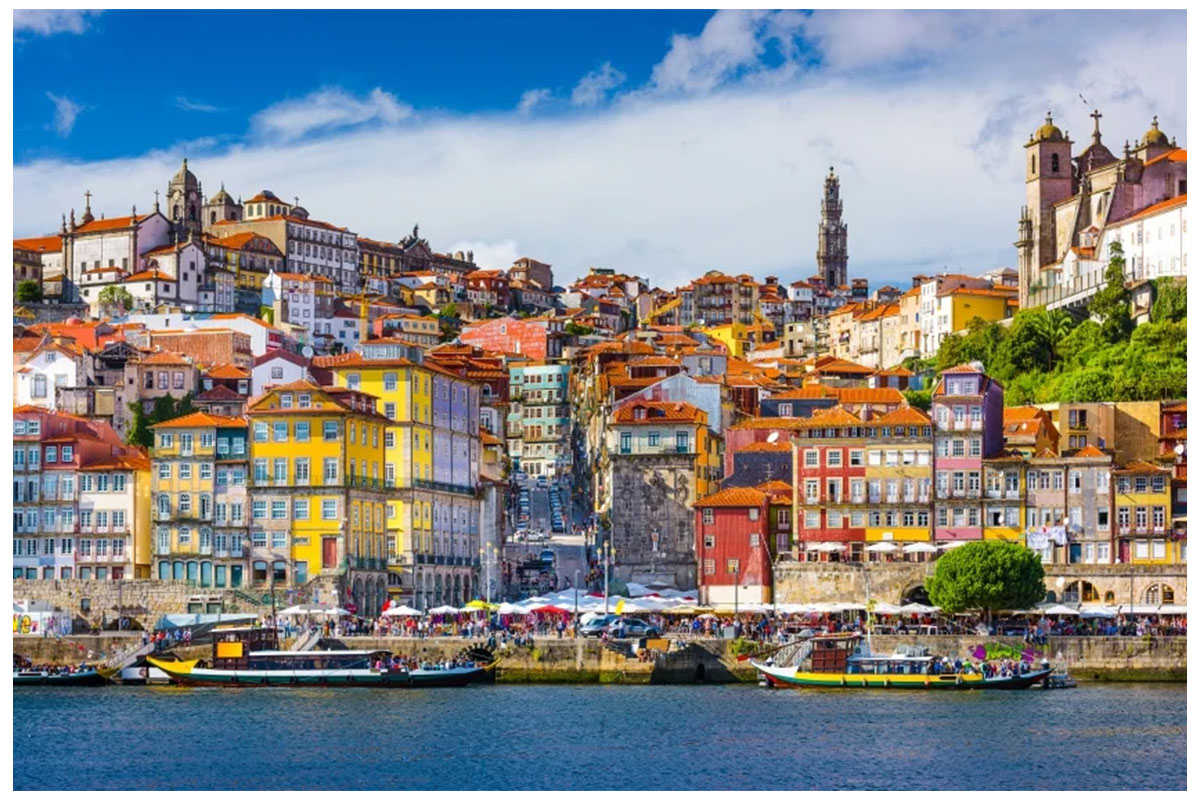
European travel policies change in 2026, and France follows the UK’s example with Portugal’s tourism training. Portugal has training programs that teach sustainability and use of artificial intelligence. In 2026, the EU’s Entry and Exit System comes into effect. With this system, borders controls change for all non-EU citizens. Portugal focuses on innovation in the travel sector by developing training programs for hospitality that incorporate artificial intelligence. Portugal wants to create an efficient and sustainable travel system. Portugal and other countries want to improve their borders and the travel system while ensuring travelers’ safety and security. France and the UK want to change their travel policies and align with Portugal’s new tourism training. These new travel policies effect millions of travelers who visit Europe every year.
The Dawn of a Regulated and Intelligent European Travel Era
The year 2026 represents a watershed moment for the European tourism and travel sectors. Following years of post-pandemic recovery and digital acceleration, the European Union has decisively moved from transitionary policies to permanent, technologically advanced border and domestic tourism frameworks. The continent is managing an unprecedented influx of international tourists, necessitating a dual approach to travel management: securing the external borders while simultaneously enriching the internal visitor experience through intelligent, sustainable infrastructure.
At the heart of this transformation is the way major European destinations are redefining their operational mandates. The French government, acting as the primary gateway for millions of British and international travellers, is enforcing stringent new digital border protocols. Concurrently, nations situated at the western edge of the continent, notably Portugal, are aggressively pivoting their internal tourism strategies. Instead of merely increasing volume, Portugal is investing heavily in the quality and ecological viability of its hospitality sector.
This complex macroeconomic and regulatory environment means that tourists, travel agencies, aviation authorities, and hospitality providers must adapt to a new normal. The European Commission has mandated extensive digitisation, a mandate that resonates from the passport control desks at the Port of Dover to the advanced hospitality training academies in Lisbon and the Algarve. Consequently, understanding the intersection of these two distinct but complementary national strategies provides a comprehensive blueprint for the future of global tourism. The era of manual passport stamping and rudimentary hospitality training is officially over, replaced by biometric databases and artificial intelligence-driven service models.
Advertisement
Advertisement
France Aligns UK and Others Under the Advanced EES Framework
As part of a long-term strategy to modernise the Schengen Area’s external borders, France has taken a leading role in implementing the European Union’s Entry/Exit System (EES). This sophisticated digital border mechanism fundamentally alters the relationship between EU member states and third-country nationals, particularly British citizens traversing the heavily trafficked English Channel routes. The EES abolishes the traditional, time-consuming practice of manually stamping passports, replacing it with a centralised biometric database. Upon entering the Schengen Area, travellers must now provide facial scans and fingerprint data, alongside standard passport details such as full name, nationality, and document expiry dates.
Advertisement
Advertisement
By spearheading this rollout, France aligns UK and others under a unified, highly secure European digital umbrella. The implications for border fluidity are profound, particularly at juxtaposed border controls such as those located in Dover, the Eurotunnel, and various Eurostar terminals. The United Kingdom government, recognising the immense logistical challenges posed by this new system, has committed substantial capital to mitigate potential bottlenecks. Official figures confirm an initial allocation of £10.5 million specifically targeted at upgrading infrastructure at the Port of Dover, Eurotunnel, and Eurostar facilities, subsequently supplemented by an additional £20 million designed to expand vehicle-holding capacity and passport-checking stations.
This financial commitment highlights the massive scale of the logistical alignment required to maintain the flow of international trade and tourism. Through the rigorous application of the EES, France ensures that all non-EU and non-Schengen nationals adhere strictly to the 90-day within 180-day short-stay rule, automatically flagging overstayers through electronic monitoring.
Navigating the September 2026 EES Implementation Delays
Despite the ambitious scope of the Entry/Exit System, the transition has not been without significant technical and operational hurdles. Originally slated for a phased rollout beginning in October 2025 and aiming for full operational status by April 2026, the system encountered substantial friction upon interacting with the realities of peak summer travel. In September 2026, official reports confirmed that a coalition of nine European nations—including France, Belgium, the Netherlands, Germany, Greece, Malta, Portugal, Italy, and Switzerland—formally requested an extension of the grace period from the European Commission.
Advertisement
Advertisement
This unprecedented move was triggered by persistent software malfunctions at various border posts, where authorities struggled to reliably upload biometric scans to the central European database and retrieve them efficiently during peak transit times. When the EES equipment failed, border officers were forced to revert to manual stamping, leading to cascading delays. Waiting times at major European aviation hubs roughly doubled during the summer months of 2026.
The aviation and maritime industries applied intense pressure on European policymakers to ease the immediate enforcement of the EES. Major airlines argued that an extension until at least April 2027 was necessary to allow airports and border authorities sufficient time to recruit and train additional staff and resolve backend software inadequacies. Following discussions between French Interior Ministry officials, Eurostar executives, and UK Transport Secretary Heidi Alexander, the European Commission informally accepted the decision to delay strict enforcement, prioritising border fluidity over immediate regulatory compliance. This pragmatic adjustment demonstrates the complexities of aligning international borders in real time.
Advertisement
Advertisement
The Arrival of ETIAS in Late 2026 and Its Broader Implications
While the EES focuses on the physical monitoring of border crossings, the forthcoming European Travel Information and Authorisation System (ETIAS) represents the next evolutionary step in the continent’s security apparatus. Scheduled to come online in the final quarter of 2026, ETIAS acts as a pre-travel authorisation mechanism, conceptually similar to the United States’ ESTA or the United Kingdom’s ETA programmes. This system will apply exclusively to visa-exempt third-country nationals, fundamentally altering the preparatory phases of European travel.
Before boarding a flight, ferry, or international train, travellers will be required to submit an online application detailing personal information, education, current occupation, intended travel plans, and background declarations regarding criminal convictions or travel to conflict zones. The authorisation, which costs €20 (with exemptions for individuals under 18 and over 70), grants multiple entries over a three-year period, provided the associated passport remains valid.
The introduction of ETIAS acts as an advanced screening tool, allowing European authorities to identify potential security or irregular migration risks before an individual even arrives at the border. However, the impending launch has sparked concerns regarding consumer protection. Official sources warn that over 60 fraudulent websites are currently offering fake ETIAS approvals, exploiting the confusion surrounding the delayed implementation timeline. As France prepares its national infrastructure to integrate seamlessly with the ETIAS database, the alignment of UK and other international travellers into this dual EES/ETIAS framework signifies the most comprehensive overhaul of European travel protocols in modern history.
Portugal’s Strategic Pivot Towards Smart Tourism Platforms
While external border regulations dominate headlines in Northern Europe, Portugal is quietly orchestrating an internal revolution in how tourism is managed, delivered, and experienced. Recognising that strict border controls must be counterbalanced by exceptional domestic hospitality, Portugal has pivoted aggressively towards digitisation and environmental stewardship. By late 2026, the Portugal TourismTech and AI Travel Platforms Market reached a staggering valuation of USD 1.1 billion, driven largely by consumer demand for seamless, highly personalised travel itineraries.
Official market analyses reveal that over 70% of travellers bound for Portugal now book their entire journeys through digital platforms, bypassing traditional agency models. Furthermore, 65% of international visitors explicitly expect personalised travel experiences, prompting Portuguese hospitality firms to invest heavily in artificial intelligence and machine learning technologies capable of analysing complex consumer behaviour patterns. The mobile travel application market has witnessed exponential growth, with smartphone penetration reaching 90% across the country, facilitating real-time itinerary management and booking modifications.
Advertisement
Advertisement
The Portuguese government, through the strategic foresight of Turismo de Portugal, anticipates that the market for personalised travel services will expand to 1.5 billion euros in the coming years. This surge in digital infrastructure is complemented by an estimated 150 million euro investment in smart city initiatives, ensuring that urban centres like Lisbon, Porto, and Faro can intelligently manage tourist flows, optimise public transportation, and reduce congestion during peak seasons. This strategic pivot ensures that once travellers clear the rigorous EES border checks, their domestic experience is frictionless.
France Aligns UK and Others as Portugal Strengthens Tourism Training With AI Sustainability Focus
The dichotomy of European travel in 2026 is best understood through the synthesis of these national strategies. France aligns UK and others as Portugal strengthens tourism training with AI sustainability focus, creating a highly secure yet deeply hospitable continental environment. To support its booming TourismTech market, Portugal recognised that upgrading software was insufficient without concurrently upgrading its human capital.
Turismo de Portugal oversees a network of 12 Hotel and Tourism Schools nationwide, which serve as the vanguard for this educational transformation. The traditional hospitality curriculum—historically focused on culinary arts, standard reception duties, and basic management—has been radically overhauled to meet the demands of the modern, AI-driven market. During the widely publicised Open Week 2026, launched in March, these institutions opened their doors to prospective students, showcasing a radically modernised syllabus.
The new training paradigms place a heavy emphasis on understanding and managing AI platforms, data privacy regulations, and smart tourism solutions. Students are now trained in intrapreneurship, digital marketing analytics, and the ethical deployment of artificial intelligence in customer service scenarios. The establishment of the Digital Academy allows industry professionals to access continuous and executive training remotely, ensuring that the existing workforce is not left behind by the rapid pace of technological innovation. By equipping its workforce with advanced digital literacy, Portugal ensures that its hospitality sector remains globally competitive, capable of delivering the sophisticated, personalised experiences that modern international travellers increasingly demand.
Enhancing Eco-Sustainability in Tourism Education and Operations
Technological advancement in Portugal is intrinsically linked to ecological responsibility. The “Plano Turismo + Sustentável 20-23” (Sustainable Tourism Plan), initiated by Turismo de Portugal, mandated that tourism-related businesses adopt stringent eco-friendly measures, including carbon emission reductions, energy efficiency protocols, and the active promotion of local heritage. By 2026, these mandates have become foundational elements of the national tourism curriculum. Transforming tourism through training for sustainability is now viewed as essential for preserving the authentic identity of the Portuguese destination.
Advertisement
Advertisement
The 12 Tourism Schools have integrated sustainability into every facet of their operations, participating actively in initiatives like the “Green Day” project, which mobilises thousands of students annually for environmental action. Specific qualifications, such as the Technological Specialisation Course in Adventure and Nature Tourism Management, have been fundamentally redesigned to prioritise eco-sustainability, risk management, and landscape interpretation. This 12-month intensive programme prepares technical specialists to manage outdoor tourism projects—including hiking, canoeing, and birdwatching—with minimal environmental impact.
The economic justification for this green pivot is substantial; official statistics project the Portuguese eco-tourism sector to grow by 300 million euros in the near future. With 55% of global travellers now prioritising sustainable practices in their purchasing decisions, Portugal’s dedication to training a green-conscious workforce directly aligns with shifting international market demands, ensuring long-term profitability and environmental preservation.
Integrating Global Talent Through the “Integrate for Tourism” Programme
To meet the expanding requirements of this sophisticated, tech-enabled, and green-focused tourism sector, Portugal has adopted progressive social policies designed to alleviate persistent labour shortages. In March 2026, Turismo de Portugal, alongside the Institute for Employment and Vocational Training (IEFP) and the Agency for Integration, Migration and Asylum (AIMA), launched the second edition of the “Integrate for Tourism” programme. This highly acclaimed initiative focuses on the qualification and professional integration of migrants and beneficiaries of international protection into the Portuguese hospitality industry.
Offering 1,000 fully funded placements, the 2026 iteration introduced significant enhancements based on feedback from the pilot scheme. The mandatory internship period within corporate environments was extended from one to three months, drastically improving the likelihood of long-term professional retention. Furthermore, the financial support provided to participants was nearly doubled to the equivalent of 7 IAS (Social Support Index), removing the economic barriers that often prevent vulnerable populations from completing vocational training.
The curriculum was also expanded beyond basic hospitality skills to include intensive Portuguese language instruction, advanced financial literacy modules, and employability coaching covering labour rights and CV preparation. By transforming displaced individuals into highly skilled, tech-literate tourism professionals, Portugal is not only solving an acute economic bottleneck but also fostering a diverse, inclusive workforce capable of delivering world-class service to an increasingly globalised clientele.
Advertisement
Advertisement
The Role of Artificial Intelligence and Market Competition
The integration of artificial intelligence within Portugal’s tourism sector is no longer a theoretical projection; it is an operational reality driving significant market competition. With over 200 active service providers operating within the Portuguese TourismTech landscape in 2026, the market has reached a state of intense saturation. While this competition drives innovation, it also creates substantial challenges for new entrants and established firms alike, leading to price wars and a reported 15% decrease in average revenue per user within specific sub-sectors.
To survive and thrive in this hyper-competitive environment, companies are leveraging AI to differentiate their offerings. Artificial intelligence is currently deployed to analyse vast datasets of consumer behaviour, predict seasonal demand fluctuations with unprecedented accuracy, and dynamically adjust pricing models in real-time. Moreover, AI-driven chatbots and virtual assistants handle the majority of routine customer inquiries, allowing human staff to focus on complex, high-value interpersonal interactions.
However, this heavy reliance on data processing introduces new vulnerabilities, particularly concerning data privacy and compliance with strict European regulations. Consequently, the tourism training programmes mandated by Turismo de Portugal now include rigorous modules on data security, ethical AI implementation, and digital compliance. Graduates are expected to navigate not just the physical demands of hospitality, but the intricate digital architectures that underpin modern travel platforms.
Industry and Economic Implications Across the Continent
The macroeconomic implications of these concurrent developments in France and Portugal are reverberating across the global travel industry. The implementation of the EES and the impending arrival of ETIAS represent a massive financial and logistical undertaking, costing the European Union and its member states billions of euros in infrastructure, software development, and personnel deployment.
While the short-term disruptions and technical delays experienced in September 2026 caused localised economic friction—particularly for the logistics and freight sectors operating out of UK ports—the long-term economic outlook remains robust. By establishing highly secure, digitised borders, Europe ensures the long-term stability and safety of its internal markets, a critical factor for maintaining consumer confidence among high-net-worth international travellers.
Advertisement
Advertisement
On the other end of the spectrum, Portugal’s strategic investments in AI and sustainable training are yielding immediate economic dividends. By capturing a significant share of the lucrative eco-tourism and personalised travel markets, Portugal is increasing the average daily spend per tourist, thereby boosting local economies without unnecessarily increasing the sheer volume of foot traffic. The United Nations World Tourism Organization (UN Tourism), monitoring these developments through entities like the Centro de Portugal Sustainable Tourism Observatory, highlights that this dual approach—regulatory alignment at the borders and qualitative enhancement at the destination—is the optimal strategy for mature tourism markets facing capacity constraints.
Official Statements and the Future Outlook for European Travel
As 2026 draws to a close, official sentiments from European leaders and industry executives project cautious optimism mixed with a resolute commitment to continuous improvement. European Commission officials maintain that despite the technical setbacks associated with the EES, the overarching architecture of the system is sound and will ultimately facilitate a safer, more efficient continental border. Aviation leaders, while highly critical of the initial rollout, acknowledge that digitisation is the inevitable and necessary future of international travel.
In Portugal, the focus remains resolutely on the horizon. The ongoing success of the TourismTech market, combined with the progressive, inclusive, and eco-conscious training programmes spearheaded by Turismo de Portugal, ensures that the nation will remain at the forefront of global hospitality innovation. The future of European tourism is unmistakably hybrid: it demands rigid adherence to digital security protocols while simultaneously offering unprecedented levels of personalised, sustainable, and intelligent hospitality.
For the millions of international tourists preparing to visit Europe in 2027 and beyond, the message is clear. The continent is safer, greener, and more technologically advanced than ever before. Preparing for these changes—whether by securing an ETIAS authorisation early or embracing the smart tourism solutions offered by host nations—is the key to unlocking the full potential of the modern European travel experience.
Advertisement
