
Cancún, Tulum and Riviera Maya Gain New Tourism Momentum as Mexico Investment Pipeline Expands Across Seven Hundred Seventy Three Projects

Published
Cancún, Tulum and Riviera Maya Gain New Tourism Momentum as Mexico Investment Pipeline Expands Across Seven Hundred Seventy Three Projects. The reason is clear. Cancún, Tulum and Riviera Maya Gain New Tourism Momentum as Quintana Roo attracts the largest share of programmed investment. Meanwhile, Mexico Investment Pipeline Expands Across Seven Hundred Seventy Three Projects covering all thirty-two states. Accommodation, hotels and tourism projects are driving development. Therefore, travellers could see a broader tourism offer as investment supports future growth. Mexico Investment Pipeline Expands Across Seven Hundred Seventy Three Projects, while Cancún, Tulum and Riviera Maya Gain New Tourism Momentum within Mexico’s expanding tourism economy.
Mexico Tourism Investment 2026: Key Official Data
The official figures reveal two distinct investment measures: FDI already recorded and a much larger portfolio of tourism projects.
| Investment measure | Official figure |
|---|---|
| Tourism FDI, Q2 2026 | US$589 million |
| Q2 FDI growth vs Q2 2025 | +49% |
| Tourism FDI, H1 2026 | US$1.3004 billion |
| Total Mexico FDI, H1 2026 | US$34.9675 billion |
| Tourism share of total FDI | 3.7% |
| Tourism Investment Portfolio | 773 projects |
| States represented | 32 |
| Portfolio investment | More than US$42.452 billion |
| Growth in number of projects | +10% |
| Growth in portfolio investment | +16% |
| Quintana Roo share | 20% |
| Nayarit share | 19% |
| Jalisco share | 12% |
| Baja California Sur share | 9% |
These figures should not be combined into one investment total. The US$1.3004 billion represents recorded tourism FDI during H1 2026, while the US$42.452 billion represents projects contained in SECTUR’s wider Tourism Investment Portfolio.
Tourism FDI Reaches US$1.3 Billion in Six Months
Mexico received US$1.3004 billion in tourism-related foreign direct investment between January and June 2026.
Advertisement
Advertisement
Total foreign direct investment across the Mexican economy reached US$34.9675 billion during the same period. Tourism therefore accounted for 3.7% of Mexico’s total FDI.
The second quarter provided another strong indicator. Tourism FDI reached US$589 million, representing a 49% increase compared with Q2 2025.
Advertisement
Advertisement
The figures show that foreign investment continued flowing into Mexico’s tourism economy during the first half of the year.
Accommodation Takes the Largest Share of Tourism FDI
The composition of the investment is particularly revealing.
Most tourism FDI during the first half of 2026 went into accommodation-related activities.
| Tourism activity | H1 2026 FDI |
|---|---|
| Furnished apartments and houses with hotel services | US$1.0634 billion |
| Hotels with other integrated services | US$163.5 million |
| Scheduled domestic air transport | US$32 million |
| Combined share | 96.8% |
Furnished apartments and houses offering hotel services attracted more than US$1.06 billion alone.
Hotels with integrated services received another US$163.5 million, while scheduled domestic air transport attracted US$32 million.
Together, these three activities accounted for 96.8% of tourism FDI.
Advertisement
Advertisement
This concentration shows that accommodation and hospitality-related property are playing a central role in Mexico’s current foreign tourism investment.
US$42.45 Billion Tourism Project Pipeline Shows a Bigger Investment Picture
SECTUR’s Tourism Investment Portfolio provides a separate measure of future and programmed development.
During the first four months of 2026, the portfolio contained 773 projects across all 32 Mexican states, representing more than US$42.452 billion in investment.
Compared with the third four-month period of 2025, the number of projects increased by 10%, while their investment value increased by 16%.
Recorded FDI vs Tourism Investment Portfolio
| Measure | H1 tourism FDI | Tourism Investment Portfolio |
|---|---|---|
| Value | US$1.3004bn | More than US$42.452bn |
| What it represents | Recorded foreign direct investment | Value of projects in SECTUR portfolio |
| Geographic scope | Mexico | All 32 states |
| Key purpose | Measures actual foreign investment flows | Tracks broader tourism project pipeline |
The comparison is important. The portfolio is more than 30 times the size of first-half tourism FDI, but the two figures measure fundamentally different things.
The US$42.452 billion should therefore not be described as tourism FDI received by Mexico.
Advertisement
Advertisement
Quintana Roo Leads Programmed Tourism Investment
The geographic distribution of projects puts Mexico’s major leisure destinations firmly in focus.
Quintana Roo accounts for 20% of programmed tourism investment, the largest share reported by SECTUR.
Nayarit follows with 19%, Jalisco with 12% and Baja California Sur with 9%.
| State | Share of programmed investment | Major tourism context |
|---|---|---|
| Quintana Roo | 20% | Cancún, Riviera Maya, Tulum |
| Nayarit | 19% | Pacific coast tourism |
| Jalisco | 12% | Puerto Vallarta and wider state tourism |
| Baja California Sur | 9% | Los Cabos and resort tourism |
| Combined | 60% | Major leisure-tourism regions |
Together, these four states account for 60% of programmed tourism investment.
The geographic concentration also shows the continuing importance of Mexico’s coastal tourism regions within the national development pipeline.
Sun-and-Beach Projects Lead Mexico’s Tourism Pipeline
The type of tourism being developed provides another useful comparison.
Advertisement
Advertisement
Sun-and-beach projects represent the largest segment, accounting for 28% of registered projects.
Cultural tourism follows at 20%, business tourism at 15% and ecotourism at 11%.
| Tourism segment | Share of projects |
|---|---|
| Sun and beach | 28% |
| Cultural tourism | 20% |
| Business tourism | 15% |
| Ecotourism | 11% |
The figures show that beach tourism remains the biggest individual category, but Mexico’s investment pipeline is not limited to coastal resorts.
Combined, cultural, business and ecotourism represent a substantial part of the project mix.
Quintana Roo Shows How Investment Is Becoming New Hotel Supply
Quintana Roo provides a concrete example of how tourism investment can translate into new hospitality infrastructure.
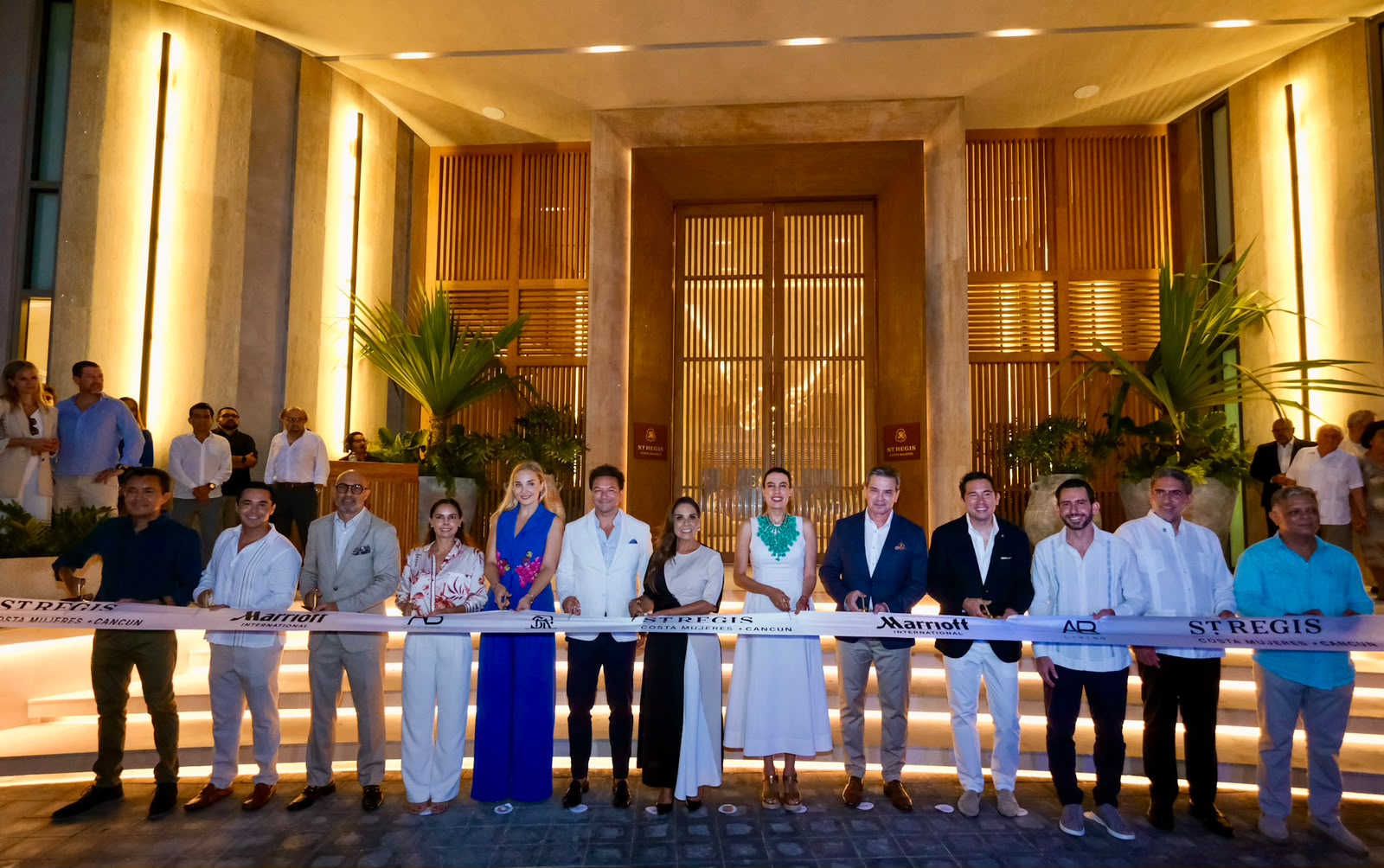
SECTUR reported a US$250 million investment in a new hotel complex at Costa Mujeres.
Advertisement
Advertisement
The St. Regis Costa Mujeres began operations with 250 direct jobs, with employment expected to reach as many as 350 positions during its first year.
The project is particularly relevant because Quintana Roo already holds the largest share of programmed tourism investment nationally.
It connects Mexico’s large national investment figures with a specific development in one of the country’s most important tourism regions.
Comparative Analysis: Coastal Destinations Remain at the Centre
The official data reveals three clear investment patterns.
First, tourism FDI is heavily concentrated in accommodation and hospitality-related property. Furnished accommodation and hotels alone account for the overwhelming majority of recorded investment among the leading categories.
Second, investment is geographically concentrated. Quintana Roo, Nayarit, Jalisco and Baja California Sur together represent 60% of programmed investment.
Advertisement
Advertisement
Third, sun-and-beach tourism remains the largest individual project segment at 28%.
These trends overlap. Major coastal tourism states contain destinations such as Cancún, Riviera Maya, Tulum, Puerto Vallarta and Los Cabos, while accommodation represents the dominant area for foreign investment.
However, cultural tourism’s 20% project share shows that investment is also moving beyond the traditional resort model.
Sustainable Investment Becomes Part of Mexico’s Tourism Strategy
Mexico is also introducing sustainability principles alongside investment growth.
SECTUR and SEMARNAT published a Decalogue for Sustainable Tourism Investment on 29 July 2026.
Its ten principles address responsible tourism planning, local employment, community tourism, ecosystem protection, water management, energy transition, climate action and circular tourism.
Advertisement
Advertisement
The policy indicates that the government’s tourism-investment strategy is not based solely on increasing project numbers. It also seeks to incorporate environmental management, community benefits and long-term resilience into future development.
Mexico’s Tourism Investment Story Goes Far Beyond the 49% Rise
Mexico’s 49% year-on-year increase in Q2 tourism FDI is an important headline figure, but the official data reveals a much larger story.
Tourism FDI reached US$1.3004 billion during the first half of 2026, while SECTUR’s separate Tourism Investment Portfolio contains 773 projects worth more than US$42.452 billion across all 32 states.
Quintana Roo leads programmed investment with a 20% share. Sun-and-beach tourism represents the largest project category at 28%. Meanwhile, accommodation-related activities dominate recorded foreign investment.
Together, these figures show Mexico expanding its tourism infrastructure through foreign capital, hotel development and a nationwide project pipeline, while new sustainability principles seek to shape how that growth develops.
Cancún, Tulum and Riviera Maya Gain New Tourism Momentum as Mexico Investment Pipeline Expands Across Seven Hundred Seventy Three Projects because Quintana Roo holds the largest share of programmed tourism investment at twenty per cent. Mexico’s wider portfolio covers all thirty-two states and represents more than forty-two billion dollars in projects. Sun-and-beach tourism holds the largest project share, while accommodation dominates recorded tourism foreign investment. A major Costa Mujeres hotel investment also shows how capital is becoming new hospitality supply. Cancún, Tulum and Riviera Maya Gain New Tourism Momentum as Mexico Investment Pipeline Expands Across Seven Hundred Seventy Three Projects, supporting continued tourism development.
Image: Mexico’s Secretaría de Turismo (SECTUR)
Advertisement
