
India’s World Wildlife Week Celebrations Put Bandipur, Kabini and Chikamagalur at the Heart of Responsible Nature Tourism

Published
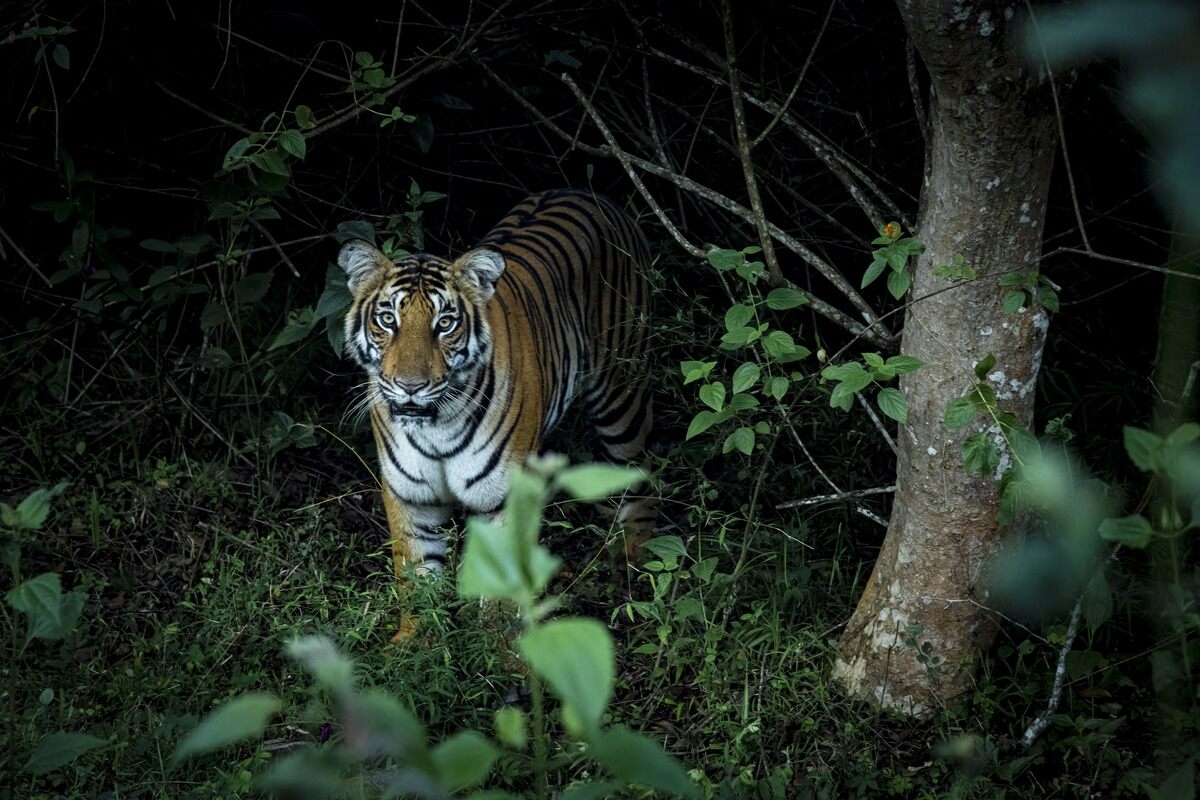
Wildlife travel is about far more than spotting a famous animal in the wild. The real beauty of a natural destination can often be found in the quieter details surrounding these encounters. Birds calling from dense tree cover, elephants approaching a river, deer moving through the forest after dark and tiny signs of life along woodland paths all form part of a much larger ecological story.
During World Wildlife Week, The Serai Resorts offers travellers an opportunity to explore the diverse natural environments of Bandipur, Kabini and Chikamagalur in Karnataka. Rather than focusing only on major wildlife sightings, the experiences encourage visitors to watch, listen and understand how animals, birds, forests, wetlands and local landscapes remain closely connected.
Advertisement
Advertisement
The Serai Resorts Chikamagalur Opens a Window into the Western Ghats
Chikamagalur presents wildlife enthusiasts with a very different natural environment. Its coffee-growing landscapes sit alongside the biologically rich Western Ghats, creating habitats for an extraordinary variety of birdlife and other species.
More than 400 bird species have been recorded across the wider region. These include resident birds, seasonal visitors and species associated with the Western Ghats. This diversity makes birdwatching one of the most accessible ways for travellers to understand the ecological importance of the destination.
Advertisement
Advertisement
At The Serai Resorts, Chikamagalur, guided nature walks allow visitors to explore these surroundings slowly and with greater attention. Early mornings can be particularly rewarding, when the landscape becomes active with birds moving between trees and calling from the canopy.
Drongos, parakeets, minivets, bee-eaters and golden orioles are among the birds that visitors may encounter. However, the experience extends beyond simply recording the number of species seen during a walk.
Advertisement
Advertisement
Bird behaviour can provide clues about the wider environment. Feeding patterns, calls, nesting behaviour and seasonal movements all demonstrate how closely birds depend on healthy forests and functioning ecosystems. In this way, birdwatching becomes a means of understanding the broader biodiversity of the Western Ghats rather than simply another tourism activity.
The Serai Resorts Bandipur Reveals the Forest Beyond the Safari
Located close to Bandipur National Park, The Serai Resorts, Bandipur provides travellers with an opportunity to discover the forest from a quieter perspective.
Advertisement
Advertisement
The wider Bandipur landscape supports more than 350 bird species, while over 120 species have been recorded within the resort grounds. This means guests do not necessarily have to travel far to begin observing the area’s biodiversity.
Guided birdwatching trails and nature walks encourage visitors to pay attention to details that can be overlooked during conventional wildlife drives. A distant call from the canopy, tracks along a pathway or the movement of a small animal across the forest floor can reveal just as much about the ecosystem as a major wildlife sighting.
Naturalists help visitors understand the connections between plants, animals, birds and their surrounding habitats. This creates an experience centred on ecological awareness rather than simply pursuing individual species.
Wildlife encounters also remain spontaneous. Wild dogs can occasionally move through the property, while elephants have been known to approach the boundary to feed during the monsoon period. Large groups of spotted deer may also gather inside the grounds after nightfall.
Advertisement
Advertisement
Such moments demonstrate an important principle of responsible wildlife tourism. Animals remain free to move according to their natural behaviour, while visitors experience the landscape without controlling or manufacturing encounters.
The resort also follows measures intended to reduce its environmental footprint. These include limiting plastic consumption, encouraging reusable alternatives and assisting the Forest Department during the summer forest-fire season. Bird baths and feeders are also maintained to support birdlife, particularly during warmer conditions.
The Serai Resorts Kabini Brings Wildlife to the Water’s Edge
Kabini offers another distinctive wildlife experience, shaped strongly by its reservoir, backwaters and surrounding forest environment.
Seasonal changes bring migratory birds into the area, turning the water and wetland habitats into important gathering points for species that may have travelled considerable distances.
These aquatic environments provide valuable habitat for waterbirds and other wildlife. Boat safaris give visitors a different perspective from traditional land-based forest experiences, allowing them to observe activity along riverbanks and around the water.
Elephants, gaurs, dholes and numerous bird species can potentially be seen within the broader Kabini landscape. Their presence around shared water resources also illustrates how different animals depend upon the same ecological systems for survival.
Advertisement
Advertisement
The attraction therefore goes beyond the excitement of an individual sighting. Watching birds gather near the shoreline, seeing elephants approach the water or travelling quietly through the backwaters can help visitors understand how wildlife behaviour is shaped by habitat, water availability and seasonal conditions.
Naturalist-led experiences at The Serai Resorts, Kabini place particular importance on responsible observation. Visitors are encouraged to remain quiet, maintain appropriate distances, follow forest regulations and avoid interfering with animals or their surroundings.
This approach allows wildlife behaviour to remain as natural as possible while helping guests appreciate the sensitivity of the ecosystem they have entered.
Responsible Wildlife Travel Places Nature First
Across Bandipur, Kabini and Chikamagalur, responsible wildlife experiences depend on a simple principle: people are observers rather than participants in animal behaviour.
Visitors are therefore encouraged to avoid feeding wildlife or attempting to attract animals for photographs. Silence can be important, particularly in sensitive forest environments, while instructions from trained naturalists and forest authorities should always be respected.
Maintaining distance is equally important. Wildlife encounters can be unpredictable, and allowing animals sufficient space protects both visitors and the species they have travelled to see.
Advertisement
Advertisement
This approach also changes how a successful wildlife experience is measured. The value of a forest visit does not necessarily depend on seeing a tiger, elephant or another headline species.
A deer resting quietly among the trees, a colourful bird appearing briefly between branches or fresh animal tracks crossing a trail can be equally meaningful. Each represents another part of an ecosystem functioning naturally.
World Wildlife Week Celebrates the Complete Living Landscape
World Wildlife Week provides an opportunity to recognise that protecting wildlife means protecting far more than individual animals.
Forests, rivers, wetlands, birds, insects, plants and countless other forms of life work together to create functioning ecosystems. Human communities living alongside these landscapes also form an important part of the wider relationship between people and nature.
Across Bandipur, Kabini and Chikamagalur, The Serai Resorts’ nature-based experiences highlight these connections by encouraging travellers to explore at a slower and more thoughtful pace.
The emphasis remains on seeing wildlife within its natural environment rather than turning animals into staged attractions. This means allowing the forest to determine what visitors see and when they see it.
Advertisement
Advertisement
Ultimately, responsible wildlife tourism begins with recognising that travellers are temporary guests within these ecosystems. The wilderness existed long before their arrival and will continue to depend on careful conservation after they leave.
World Wildlife Week therefore becomes more than a celebration of remarkable animals. It is also a reminder of the forests that shelter them, the rivers and wetlands that sustain them, the birds that animate the landscape and the ecological relationships that hold everything together.
Experiencing these environments responsibly means leaving them as undisturbed as possible. In Bandipur, Kabini and Chikamagalur, that philosophy can transform a wildlife holiday from a search for sightings into a deeper understanding of the living landscape itself.
Advertisement
