

Hawaii, Galapagos and Others Put UnCruise at the Centre of Small-Ship Wildlife and Adventure Travel

Updated
Published
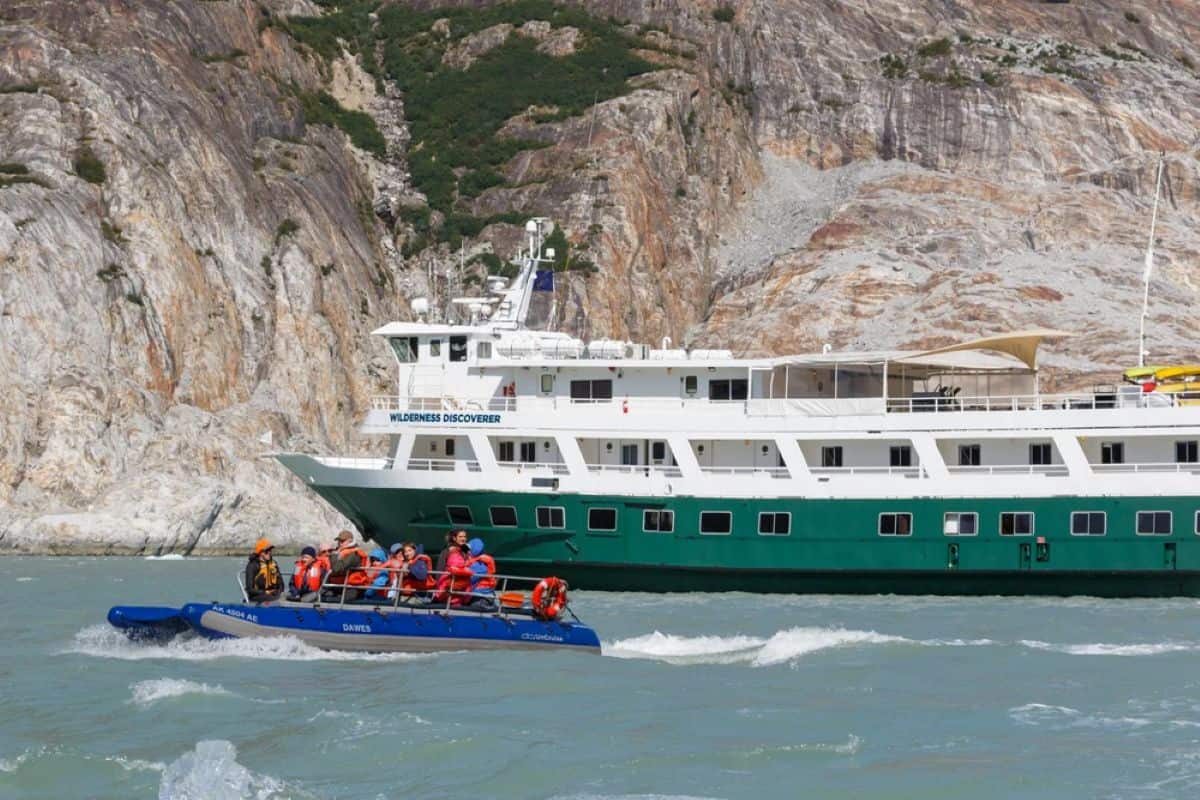
Image Credit: UnCruise Adventures
Hawaii, Galapagos and Others Put UnCruise at the Centre of Small-Ship Wildlife and Adventure Travel because the line builds its voyages around remote landscapes, active exploration and nature rather than large-ship entertainment. Hawaii brings volcanic scenery, reefs and marine encounters, while the Galapagos adds tightly protected ecosystems and guided wildlife experiences. Alaska, Costa Rica, Mexico and Panama expand that model through glaciers, rainforests, whales, kayaking, hiking and snorkelling. With vessels carrying roughly 36 to 86 guests across its core fleet, UnCruise keeps groups small and access flexible. That combination places Small-Ship Wildlife and Adventure Travel at the heart of the experience, making the destinations themselves the main attraction.
Advertisement
Advertisement
Why Does Small-Ship Size Change the UnCruise Experience?
Scale is one of the clearest differences between UnCruise and conventional cruising. Safari Explorer carries only 36 guests, La Pinta accommodates 48, Wilderness Adventurer carries 60, Safari Voyager 66, Safari Endeavour 84 and Wilderness Legacy 86.
That relatively small capacity changes what a cruise itinerary can realistically offer. Rather than moving thousands of passengers through major ports, UnCruise can organise smaller groups around kayaking, hiking, snorkelling, wildlife watching and skiff trips.
Advertisement
Advertisement
The focus therefore moves away from casinos, waterslides and theatre productions towards activities connected directly with each destination.
For travellers, this does not automatically mean every journey will feel private. However, it does mean the number of people sharing the vessel, shore activities and expedition equipment is substantially lower than on a conventional large cruise ship.
Advertisement
Advertisement
UnCruise Fleet at a Glance
| Vessel | Guest capacity | Principal destination use |
|---|---|---|
| Safari Explorer | 36 | Hawaii, Alaska |
| La Pinta | 48 | Galapagos |
| Wilderness Adventurer | 60 | Alaska |
| Safari Voyager | 66 | Costa Rica, Mexico |
| Safari Endeavour | 84 | Alaska |
| Wilderness Legacy | 86 | Alaska |
What Makes Hawaii an Adventure Rather Than a Conventional Island Cruise?
UnCruise’s Hawaiian Seascapes programme operates for seven nights between Kona and Molokai aboard the 36-passenger Safari Explorer.
The itinerary connects four Hawaiian islands: Hawaii Island, Maui, Lanai and Molokai. Instead of relying mainly on urban port calls, activities include a manta-ray night snorkel, hiking around Hualalai, exploring lava tubes, snorkelling over coral environments and visiting Halawa Valley on Molokai.
Published 2027 prices begin at approximately US$8,700 per person for a Navigator cabin based on double occupancy. Higher accommodation categories reach around US$14,300 per person.
At the entry price, the seven-night journey works out at approximately US$1,243 per person per night, before gratuities and transport to the embarkation point.
The value proposition is therefore not low-cost cruising. It is small-group access to landscapes and activities that form the core of the Hawaiian journey.
Why Is Costa Rica Naturally Suited to This Type of Cruise?
Costa Rica gives the UnCruise model a strong environmental foundation.
Advertisement
Advertisement
The seven-night Costa Rica’s Pure Life Adventure Cruise operates roundtrip from Liberia aboard the 66-passenger Safari Voyager. The itinerary includes tropical fjords, rainforest hikes, Curú Wildlife Refuge, kayaking, snorkelling, beaches, birdwatching and marine encounters.
Published 2027 entry fares begin around US$7,700 per person, based on double occupancy. Departures are available across several months, with selected family and photography-focused sailings.
Costa Rica’s own tourism authorities report that around 25% of the country’s territory is protected through its conservation system, while the nation contains roughly 6% of global biodiversity.
Those figures help explain why the destination works particularly well for expedition-style travel. The attraction is not simply moving between ports. It is entering a landscape where rainforests, wildlife habitats and protected coastal environments form the primary reason for travelling.
Why Does Baja California Put Wildlife at the Centre of the Journey?
Mexico’s Baja California programme is built heavily around marine wildlife.
The Baja California’s Whales & Sealife itinerary lasts eight nights, including seven nights aboard Safari Voyager and one pre-cruise hotel night in San José del Cabo. Published 2027 prices start at approximately US$7,400 per person.
Advertisement
Advertisement
Activities include snorkelling with sea lions, whale watching, kayaking, hiking, skiff exploration and visits to remote beaches.
The environmental scale behind the journey is significant. Mexico’s government records Bahía de Loreto National Park at 206,580.75 hectares. The protected area contains five principal islands and supports wildlife including blue whales, humpbacks, sperm whales, orcas, dolphins and sea lions. It is also recognised as both a World Heritage Site and Ramsar Site.
For travellers, that makes Baja less about traditional resort Mexico and more about entering one of the country’s major protected marine landscapes.
How Does the Galapagos Change the Rules of Expedition Cruising?
UnCruise’s Galapagos programme operates differently because access to the islands is tightly controlled.
The Darwin’s Discoveries: The Galapagos Islands programme uses the 48-passenger La Pinta. The seven-night experience incorporates a pre-cruise hotel stay in Guayaquil and flights into the islands.
Activities include snorkelling, kayaking, glass-bottom boat trips, hiking, wildlife observation, visits to Floreana and the Charles Darwin Research Station.
Advertisement
Advertisement
Importantly, visitors cannot simply wander through protected sites independently. Galapagos National Park regulations require visitors in protected areas to travel with licensed naturalist guides and authorised operators. Visitors must remain on designated trails and maintain at least two metres of distance from wildlife.
That regulatory environment makes the Galapagos experience fundamentally different from unrestricted coastal cruising. Conservation rules shape where travellers go, how they move and how closely they may interact with the wildlife.
Why Is Alaska Still Central to UnCruise Adventures?
Alaska remains UnCruise’s largest destination portfolio and perhaps the clearest expression of its small-ship expedition strategy.
Its vessels operate between destinations such as Juneau, Sitka, Ketchikan, Seward, Glacier Bay, Kenai Fjords and the Aleutian region.
A seven-night Alaska’s Glacier Wilderness with Glacier Bay itinerary has 2027 fares beginning at approximately US$9,900 per person on selected departures. The longer Alaska’s Coastal Treasures programme runs for 13 nights between Seward and Juneau, with published 2027 entry prices around US$10,800 per person.
Access is also regulated. Between 1 May and 30 September, vessels entering or leaving Glacier Bay must contact the National Park Service by VHF radio. Seasonal closures and marine-mammal protection measures can also apply.
Advertisement
Advertisement
This means small-ship expedition cruising remains subject to environmental controls designed to protect sensitive ecosystems.
How Much Does an UnCruise Adventure Cost?
| Destination | Example journey | Duration | Published starting fare |
|---|---|---|---|
| Hawaii | Hawaiian Seascapes | 7 nights | US$8,700 pp |
| Costa Rica | Pure Life Adventure | 7 nights | US$7,700 pp |
| Baja California | Whales & Sealife | 8 nights | US$7,400 pp |
| Alaska | Glacier Wilderness with Glacier Bay | 7 nights | US$9,900 pp |
| Alaska | Coastal Treasures | 13 nights | US$10,800 pp |
| Galapagos | Darwin’s Discoveries | 7 nights | US$11,600 pp, based on published 2026 pricing |
These figures show that UnCruise operates firmly within the premium expedition-travel market. Prices are generally quoted per person based on double occupancy, while itinerary pages typically include port charges and taxes but exclude gratuities.
The crucial comparison is therefore not simply fare versus fare. Travellers need to consider ship capacity, destination access, included activities, wildlife opportunities and the amount of time spent actively exploring.
Why Does the UnCruise Model Matter for Adventure Travellers?
UnCruise’s strongest differentiator is the relationship between small capacity and destination access.
Hawaii offers volcanic landscapes and marine encounters. Costa Rica adds protected rainforests and biodiversity. Baja California brings whales and Sea of Cortes ecosystems. The Galapagos operates within strict conservation rules. Alaska combines glaciers, fjords, wildlife and federally protected wilderness.
The vessels themselves remain intentionally small: 36 guests in Hawaii, 48 in the Galapagos, 66 in Costa Rica and Mexico, and no more than around 86 passengers on the larger vessels in the current core fleet.
Advertisement
Advertisement
That makes the product closer to a floating expedition base than a miniature resort ship.
For travellers who prioritise wildlife, physical activity and landscapes over large-scale entertainment, that distinction can substantially alter the character of the holiday.
Comment From Anup Keshan, Founder and Editor-in-Chief of Travel And Tour World
“Hawaii, the Galapagos, Alaska, Costa Rica and Mexico demonstrate why small-ship expedition travel continues to attract travellers looking for deeper connections with nature. UnCruise’s relatively low passenger numbers allow the journey to focus on wildlife, kayaking, snorkelling, hiking and protected landscapes rather than large-scale onboard attractions. What makes this model particularly relevant is the destination itself becoming the centre of the holiday. From volcanic islands and glaciers to tropical forests and marine reserves, these itineraries can encourage travellers to experience environments more carefully. Responsible operations and respect for conservation rules will remain essential as interest in adventure cruising continues to grow.”
Conclusion: Why Do Hawaii, Galapagos and Others Put UnCruise at the Centre of Adventure Travel?
Hawaii, Galapagos and Others Put UnCruise at the Centre of Small-Ship Wildlife and Adventure Travel because its fleet size and itinerary structure make nature the central attraction.
The cause is growing interest in active, destination-focused journeys. The answer is a ship carrying dozens rather than thousands of passengers, supported by kayaking, snorkelling, hiking, skiffs and guided wildlife encounters. The reason the model stands apart is access. Hawaii offers volcanic landscapes, the Galapagos provides highly regulated wildlife encounters, Alaska opens glacier country, Costa Rica delivers biodiversity and Baja California provides major marine habitats.
UnCruise is therefore not simply offering smaller cruises. It is using smaller ships to create a fundamentally different style of exploration.
Advertisement
Advertisement
Image Credit: UnCruise Adventures
Advertisement
