
Panama Issues Nationwide Travel Alert as Heavy Rain, Flooding and Coastal Risks Intensify Through August 10: What You Need to Know

Published
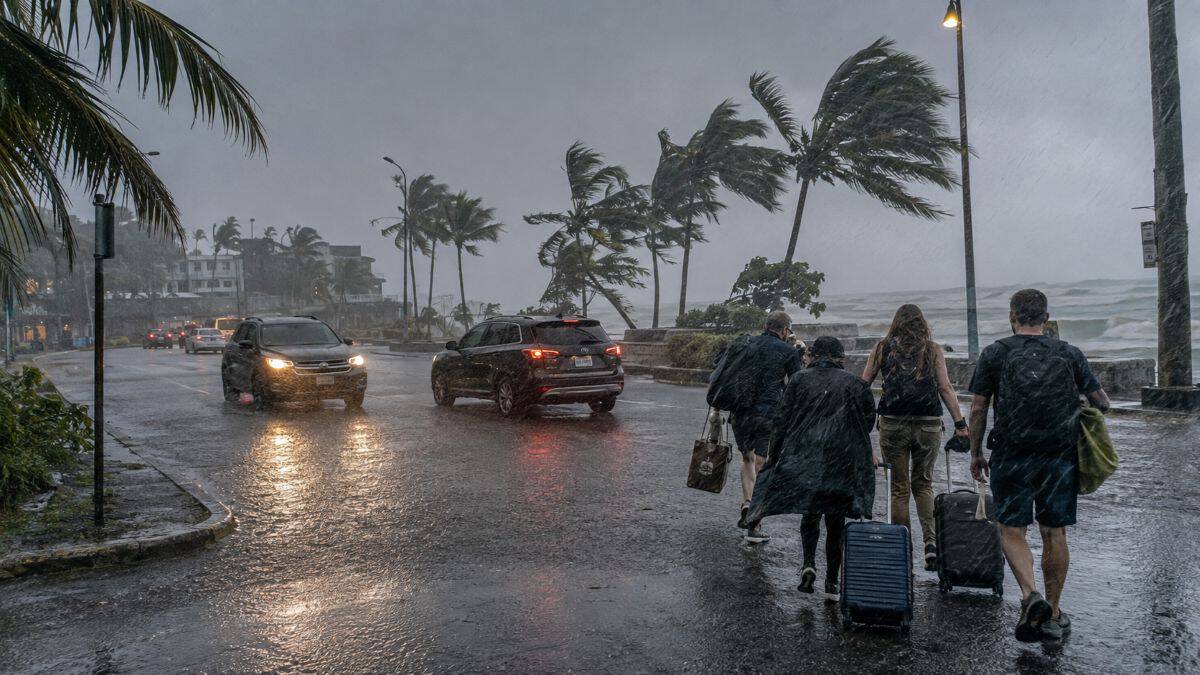
Image generated with Ai
Panama issues a nationwide travel alert as heavy rain, flooding and coastal risks intensify through August 10, putting travellers across the country on notice. The Panama nationwide travel alert comes as heavy rain, flooding and coastal risks intensify through August 10, with the strongest downpours, thunderstorms and wind gusts expected on August 9 and 10. SINAPROC says unstable atmospheric conditions, moisture, low pressure and troughs are driving the threat. Therefore, visitors should watch road, beach, island and outdoor plans closely. Bocas del Toro also needs extra caution after recent weather-related road impacts, fallen trees and landslide incidents reported by authorities.
Panama’s Nationwide Weather Notice Puts Travellers Across the Country on Alert
The central message for visitors is simple: this is a nationwide precautionary weather event rather than a warning limited to one part of Panama.
SINAPROC says atmospheric conditions are expected to support significant rainfall and electrical activity across the country. According to information from the Institute of Meteorology and Hydrology of Panama, or IMHPA, atmospheric instability began increasing from August 8.
Several meteorological factors are contributing to the situation. These include stronger northerly winds, increased movement of moisture, partial activation of the Intertropical Convergence Zone, areas of low pressure and troughs affecting the region. Together, these conditions can encourage intense rainfall and thunderstorms.
Advertisement
Advertisement
Travellers should therefore avoid assuming that better weather in one location means conditions will remain stable elsewhere. Panama’s geography means journeys can cross coastal, mountainous, urban and river environments within a relatively short period.
August 9 and 10 Are the Most Important Days for Panama Travel Plans
Sunday, August 9, and Monday, August 10, deserve the greatest attention from travellers.
Advertisement
Advertisement
SINAPROC says the weather pattern is expected to favour strong to very strong downpours, electrical activity and wind gusts. The probability and intensity of these conditions are expected to be greater on August 9 and 10.
That timing makes the warning particularly important for weekend tourism.
Advertisement
Advertisement
Travellers planning long road journeys, nature visits, beaches or other outdoor experiences should check official information before leaving their accommodation. Conditions can change quickly when thunderstorms produce intense rain over a short period.
The official warning does not mean that all travel in Panama must stop. It does mean that visitors should remain flexible and avoid unnecessary exposure to places where heavy rain creates an obvious safety risk.
Bocas del Toro Deserves Extra Attention After Recent Weather Impacts
Bocas del Toro is one of the most important areas for travellers to watch because official reports show that the province has already experienced weather-related incidents during early August.
On August 3, SINAPROC reported response operations in Bocas del Toro after adverse weather caused fallen trees and other problems. In Miramar, Chiriquí Grande, five fallen trees were reported blocking both lanes of the road towards Chiriquí Grande at that stage of the response.
Advertisement
Advertisement
In Rambala, emergency teams dealt with another three fallen trees on the main road towards Punta Peña. SINAPROC also reported that a boat sank at the Taxi 25 port during bad weather, although no one was aboard when the incident occurred.
The authority also reported eight fallen trees affecting the main road between Chiriquí Grande and Chiriquí in the Alto Valle, Valle Abajo and El Guabo sectors during those earlier incidents.
A separate SINAPROC update on August 3 reported a landslide in the Willy Mazu sector on the principal route connecting Chiriquí Grande with David. Both lanes were subsequently cleared and traffic was operating again, but motorists were advised to drive with extreme caution because mud and material remained along parts of the roadside.
These earlier events do not prove that the same roads are currently blocked. They do, however, show why travellers in Bocas del Toro should take the new nationwide rain warning seriously.
Panama Road Travel Faces Higher Flooding, Visibility and Landslide Risks
Road travel is one of the clearest tourism concerns highlighted by the official warning.
SINAPROC specifically advises motorists to drive carefully and reduce speed when it is raining. It also tells people not to cross flooded roads, rivers or streams.
Advertisement
Advertisement
Recent official incident reports show why.
On August 5, SINAPROC recorded 15 incidents associated with heavy rain and winds in different parts of Panama. These included 12 fallen-tree cases, three landslides and waterlogged roads in Panama, Chiriquí and Santiago.
Four of the fallen-tree incidents blocked roads in Herrera, Panama and Colón. The three reported landslides occurred in the Alcalde Díaz and Ernesto Córdoba areas of Panama province. SINAPROC said at that stage that no people had been reported affected, displaced or missing because of those incidents.
On August 6, emergency authorities reported another five incidents related to rain, storms and strong winds. These included trees falling onto roads, electrical infrastructure and a home in Panama and Panama Oeste. Authorities were also monitoring the rising level of the Panamá Viejo River.
For visitors, the practical lesson is to allow additional flexibility for road journeys and never attempt to drive through water when the depth or strength of the current cannot be determined.
Panama Beach and Coastal Trips Need Additional Weather Checks
The coastal tourism angle is also significant because the SINAPROC prevention notice explicitly includes both of Panama’s coastlines.
Advertisement
Advertisement
IMHPA’s official website was also displaying separate maritime notices on August 9. These included an advisory for rough sea conditions in the Pacific, valid from August 7 through August 11, and another covering winds and waves in the Panamanian Caribbean during the same general period.
This does not automatically mean every beach, island connection or maritime activity has been suspended.
However, tourists considering boat journeys, beaches, island excursions, fishing trips or other activities exposed to coastal conditions should verify the latest official maritime forecast and follow instructions from authorised local operators and authorities.
Bocas del Toro deserves particular awareness because it combines important island and coastal tourism with an area that experienced strong wind and rough-water impacts earlier in August. SINAPROC’s August 3 report documented a vessel sinking at Taxi 25 during adverse conditions, with no occupants aboard at the time.
Flood and Landslide Awareness Is Essential for Outdoor Tourism
Panama’s warning is especially relevant to travellers exploring nature and mountainous areas.
SINAPROC is urging people to exercise greater caution in places prone to flooding and landslides. It also advises people to avoid crossing rivers and streams during rain.
Advertisement
Advertisement
That advice should apply directly to tourism decisions.
A river that appears manageable before intense rainfall can change quickly. Likewise, steep roads and slopes can become unstable after repeated heavy downpours.
Travellers should treat barriers, emergency instructions and temporary access restrictions seriously. A sightseeing plan can always be changed. Entering a flooded road, swollen stream or unstable slope creates a risk that cannot be justified by maintaining an itinerary.
What Travellers in Panama Should Do Through August 10
SINAPROC’s recommendations provide a clear safety checklist for residents and visitors.
Travellers should:
- Never cross flooded streets, rivers or streams during rain.
- Take additional precautions in areas vulnerable to flooding or landslides.
- Drive carefully and reduce speed during wet conditions.
- Secure loose items around accommodation if necessary and follow local safety instructions.
- Avoid unnecessary exposure to unstable trees or branches during strong winds and thunderstorms.
- Keep essential items available in case conditions delay movement.
- Follow updates from SINAPROC and IMHPA, rather than relying on rumours or unofficial social-media information.
- Contact emergency services if a dangerous situation develops.
SINAPROC says its Emergency Operations Centre, or COE, is maintaining continuous monitoring of meteorological conditions and coordinating preventive actions while the notice remains active.
Advertisement
Advertisement
No Official Basis Yet for Claiming Nationwide Flight or Cruise Disruption
Travellers should distinguish between a weather warning and a confirmed transport shutdown.
The current SINAPROC notice establishes significant rain, thunderstorms, gusty winds and associated safety risks. It does not, by itself, announce nationwide airport closures, mass airline cancellations or a shutdown of cruise operations.
Therefore, travellers flying into or out of Panama should check their airline and airport directly before travelling, while passengers using maritime services should confirm their individual departure arrangements.
This distinction matters. Heavy weather can create travel risk without producing the same level of disruption everywhere.
For accurate traveller information, any claim about a cancelled flight, closed airport, suspended ferry or cruise itinerary should be tied to an official announcement from the relevant authority or operator.
Emergency Numbers Travellers Should Keep Available
Visitors travelling through Panama during the warning period should keep emergency contact information easily accessible.
Advertisement
Advertisement
SINAPROC lists the following emergency channels:
- 911
- 520-4429
- 6998-4809
These numbers are particularly important for people travelling away from major urban areas or staying near rivers, mountain roads or coastal communities.
Panama Travel Through August 10 Requires Caution, Not Panic
Panama remains under a broad prevention notice because weather conditions can support heavy to very heavy downpours, thunderstorms and gusty winds, particularly on August 9 and August 10. The warning covers the entire national territory and both coastlines, placing road, outdoor and coastal travel under increased scrutiny.
Bocas del Toro requires additional attention because official SINAPROC reports have already documented recent fallen trees, road impacts, strong winds and a landslide affecting important routes in the wider region.
The most important action for travellers is therefore not automatically to cancel a trip, but to remain flexible, check official weather information frequently, avoid flooded or unstable areas and change plans whenever local conditions become unsafe.
Panama issues its nationwide travel alert because heavy rain, thunderstorms, flooding and coastal risks are expected to intensify through August 10. The warning covers the whole country and both coastlines, so travellers should not treat this as a local weather problem. SINAPROC says atmospheric instability, moisture transport, low pressure, troughs and the Intertropical Convergence Zone are supporting stronger downpours, especially on August 9 and 10. Road users, beach visitors and outdoor travellers should stay flexible, avoid flooded areas and monitor official updates. The alert does not confirm nationwide transport shutdowns, but it clearly raises travel safety concerns today.
Advertisement
