
How Philippines Hidden Trails In Palawan Quietly Transform Your Travel Soul Through Rich Native Heritage

Published
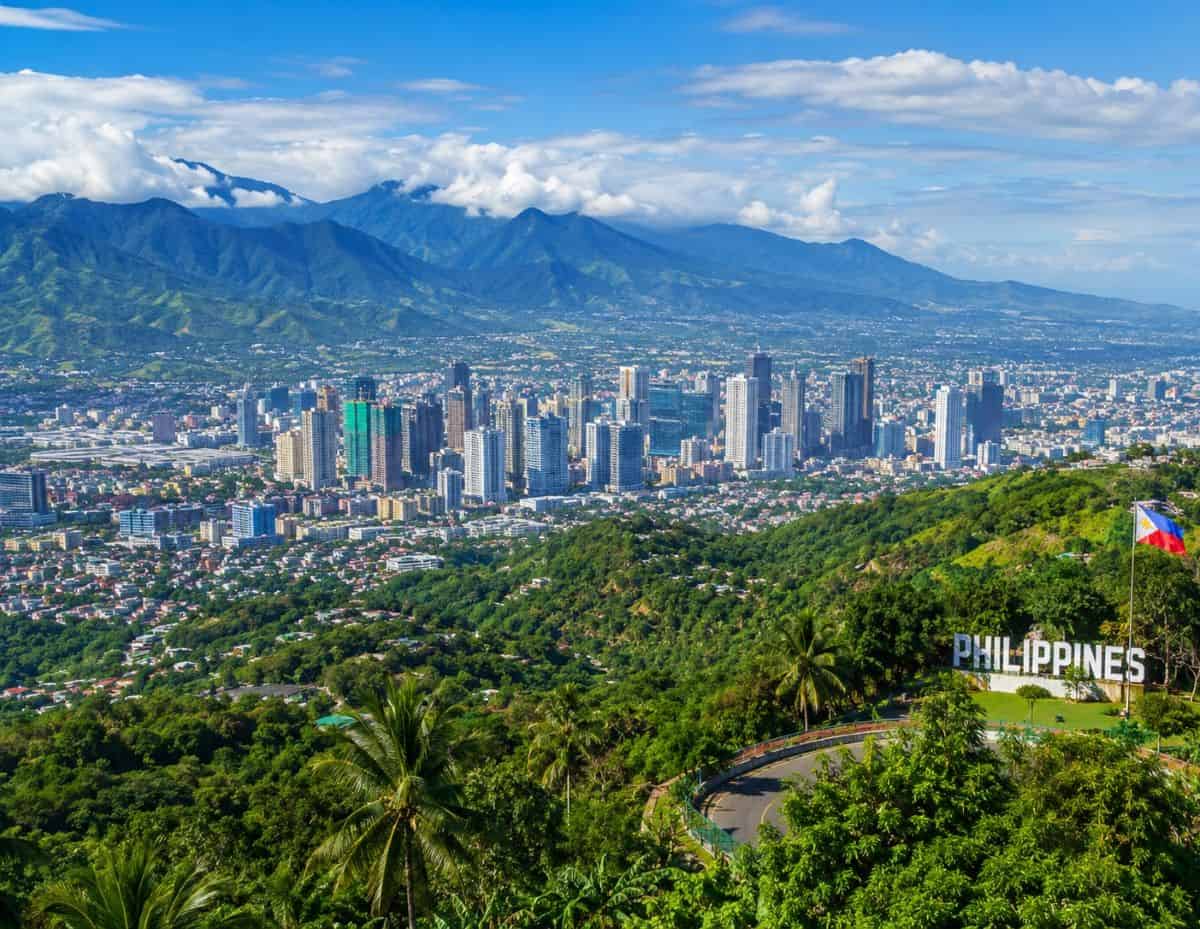
Image generated with Ai
Your first vacation day is for Davao. This slice of the country offers surprises for its visitors. We will personalize your vacation based on your preferences and what is off the tourist radar. After touring Lake Sebu, Cebu City, Bohol, Manila, Tagaytay, and Palawan, having the opportunity to see these places with different eyes will be something you’ll appreciate. Most tours leave travelers guilty for their money, having wasted their eyes on long, boring, slow, and frustrating trips to an overdone, tired tourist destination. Your vacations will give you the chance to experience local ecosystems, friendly local people, and good food, all while having the opportunity to learn about the way of life of local people whose journeys you take part in. Local communities appreciate your travel habits the most. This article is about the positive impact of responsible travel on the poor communities you visit.
Evaluating Financial Mobility, Streamlined Visas, and Emerging Global Travel Demographics
Advertisement
Advertisement
Navigating an extended ten-day expedition across diverse island ecosystems remains remarkably accessible for international wanderers from both a financial and logistical perspective. Expenditure estimates typically range between INR 40,000 and INR 80,000 per person, depending upon personal accommodation choices, dining preferences, and local activities, excluding long-haul international flights. Furthermore, progressive international travel regulations, including specialized visa-free entry policies for eligible passport holders, drastically reduce administrative hurdles. This policy framework allows diverse travel demographics ranging from solo backpackers to family groups and corporate teams to explore the region seamlessly.
This financial versatility and regulatory ease exert a profound influence on global mobility trends across the international tourism market. By channeling resources away from centralized commercial hubs, financial benefits flow directly into independent transport operators, family-run eateries, and regional homestays. As cross-border travel becomes more accessible, emerging destinations can attract conscious visitors seeking low-impact, high-value experiences. Consequently, this model of affordable and culturally sensitive travel serves as a vital benchmark for international destinations aiming to achieve economic growth while prioritizing long-term community development.
Advertisement
Advertisement
Traversing Diverse Landscapes, Colonial Heritage, and Ecological Marvels
Advertisement
Advertisement
A comprehensive multi-region itinerary reveals an extraordinary spectrum of geographical beauty and deeply rooted cultural traditions across the archipelago. The expedition commences near the towering heights of Mt. Apo in Davao City, where travelers sample distinctive regional agricultural yields like durian and mangosteen, before progressing toward the tranquil waterfalls and rich indigenous customs of Lake Sebu. Transitioning into vibrant historical centers, visitors absorb the layered urban narrative of Cebu City and explore the peaceful heritage landmarks scattered throughout Bohol.
The journey deepens as explorers step onto the ancient stone pathways of Intramuros in Manila to examine complex colonial histories, followed by a venture into the cool climate of Tagaytay to behold dramatic views of an active volcano. Finally, the awe-inspiring limestone formations, sacred tribal lands, and world-renowned subterranean river systems of Palawan highlight the region’s unmatched marine and terrestrial wealth. This seamless synthesis of mountain ridges, historical sanctuaries, and protected aquatic biomes reinforces why conscious exploration across these pristine zones leaves a lasting legacy on global travel standards.
Global Shifts Toward Authentic and Responsible Tourism Industry Practices
The international travel sector is experiencing a massive behavioral shift as modern explorers increasingly reject hyper-commercialized, fast-paced sightseeing in favor of ethical and educational immersion. When international tourists actively choose to collaborate with native guides, reside in authentic regional accommodations, and patronize local culinary artisans, they directly fortify regional economic resilience. This global movement ensures that non-material cultural heritage and fragile natural environments are actively protected, establishing a healthier international tourism ecosystem where long-term heritage conservation takes precedence over rapid commercial expansion.
This structural evolution in traveler preferences exerts a profound influence on global destination management strategies and host economies worldwide. Regions that safeguard delicate ecosystems—such as pristine marine reserves, subterranean waterways, and highland forests—naturally draw mindful travelers who prioritize environmental integrity. Moreover, as global policy makers observe the direct benefits of community-led travel models, international markets are swiftly reorienting their strategies. This collective realignment guarantees long-term financial security for rural populations while shielding vulnerable micro-climates against the devastating consequences of overtourism.
Advertisement
Advertisement
Empowering Island Communities Through Traditional Craftsmanship
Integrating indigenous artistry directly into modern itineraries transforms traditional sightseeing into an active partnership with local culture. Around the serene waters of Lake Sebu, travelers can step into traditional weaving sheds to learn directly from T’boli master weavers. Watching intricate dream-weaving patterns take shape thread by thread offers a profound appreciation for non-material heritage that no museum display can match. Similarly, visiting family workshops in Bohol introduces guests to generations of woodcarvers and local artisans keeping age-old sculpting techniques alive.
Framing these interactive workshops as essential itinerary highlights rather than optional side trips creates a direct economic bridge to native families. When visitors purchase handicrafts straight from the maker or pay for hands-on masterclasses, their travel dollars directly fund community preservation efforts. This financial autonomy ensures that young artisans can afford to stay in their homelands and keep ancestral traditions thriving. Ultimately, this respectful cultural exchange elevates the traveler’s journey while safeguarding irreplaceable artistic legacies for generations to come.
Active Coastal Stewardship and Micro-Conservation Initiatives
Modern eco-travel must move beyond simply minimizing harm it needs to actively restore and protect vulnerable natural biomes. Along the pristine shores of Palawan and coastal Cebu City, participatory conservation programs give travelers a hands-on role in environmental protection. Visitors can join local marine biologists on reef-cleaning dives, spend an afternoon planting native saplings in tidal mangrove restoration projects, or explore community-managed marine sanctuaries alongside resident eco-guides.
Advertisement
Advertisement
These immersive activities transform passive tourists into active stewards of the environments they come to admire. Participating in micro-conservation efforts reveals the delicate ecological balance required to keep tropical waters alive and thriving. Furthermore, funding community-led sanctuaries ensures that coastal villages see immediate, tangible economic benefits from keeping their reefs healthy rather than overexploiting them. By embedding hands-on environmental stewardship into the travel experience, visitors leave coastal destinations cleaner, healthier, and far more resilient.
Savoring Regional Heritage Through Farm-to-Table Gastronomy
Exploring a region’s authentic food systems offers one of the most immediate, sensory ways to connect with local culture and geography. In the fertile highlands near Davao City and the cool volcanic slopes of Tagaytay, innovative local chefs are joining forces with smallholder farmers and organic fruit growers to build sustainable farm-to-table dining networks. Travelers can wander through lush organic orchards, sample rare indigenous fruits like mangosteen and durian straight from the branch, and enjoy seasonal meals crafted entirely from hyper-local harvests.
Tracing these authentic culinary circuits demonstrates how every meal can become a force for good in local agricultural economies. Bypassing mass-imported foods in favor of native crops provides small-scale farmers with predictable, fair income while encouraging sustainable land management. For global travelers, this deep culinary immersion delivers far more than a delicious meal it builds a lasting appreciation for the soil, the climate, and the hardworking hands that sustain regional food traditions.
The Final Verdict
Advertisement
Advertisement
Traveling is more than checking places off of a list. Going to the Philippines and checking off Davao City, Lake Sebu, Cebu City, Bohol, Manila, Tagaytay, and Palawan will change your perception on travel. This is not just tourism, this is about the community and the locals and the relationships. This is about a certain kind of pace and a certain kind of life and a certain kind of storytelling. Most of all, this is about the whole entire experience. We can create and sustain change, and we must start that change with ourselves.
Traveling with purpose and cause encourages sustainability in these ecosystems and biomes. Instead of checking off items on a list and seeing travel as something transactional and utilitarian, we should try to facilitate change for a great cause within the travel and tourism industry. The first and outstanding country to give me that inspiration is the Philippines. I document most of my travels to this country because I want to capture and share this beauty with the world, because what comes back to me is much more than what I take. It brings me such joy.
Advertisement
