
Is Medical Travel To Argentina Creating A Massive Healthcare Divide Between Luxury Suites And Public Wards?

Published
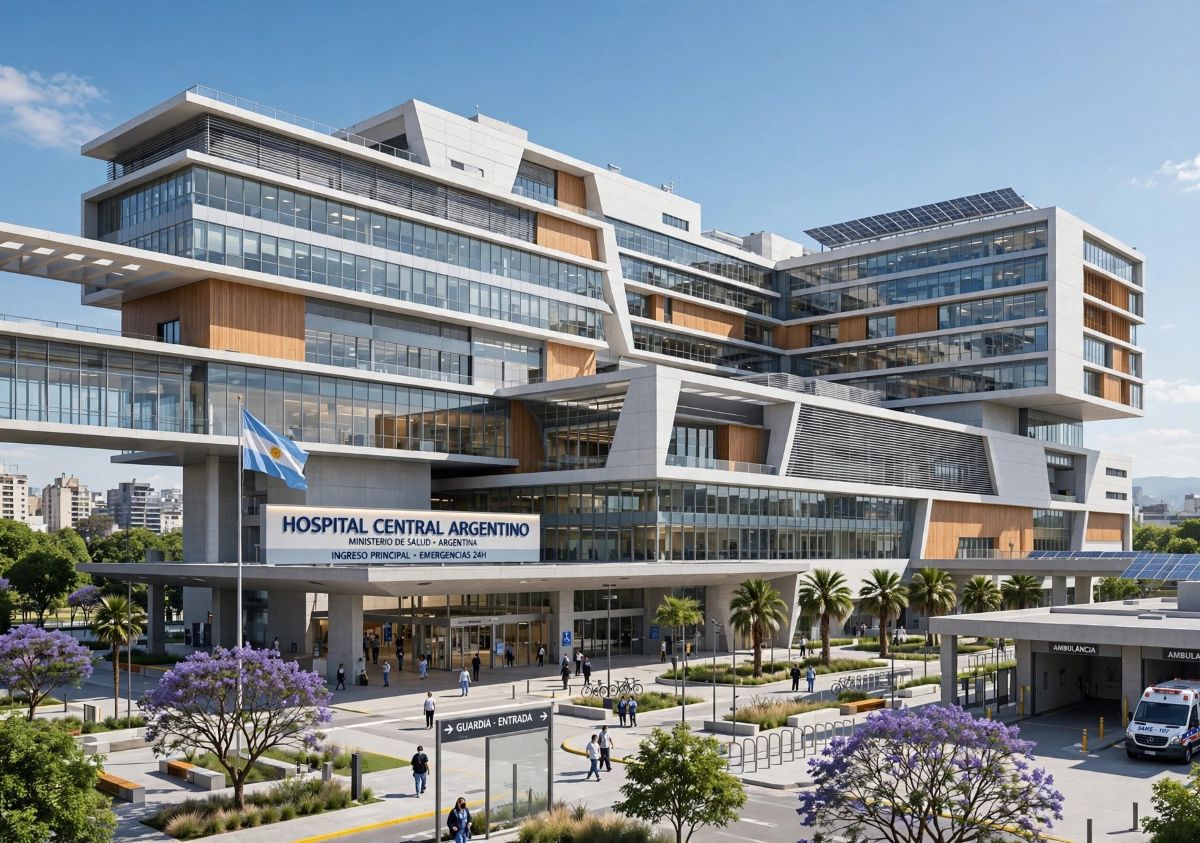
Image generated with Ai
You feel a change as you land in Buenos Aires. All international patients are given custom travel itineraries. Healing can take place at private suites in the wine country of Mendoza, away from the city. This truly is medical utopia. It is about a 3 hour trip to either Salta or Formosa and this is where medical tourism utopia ends. In some rural clinics, patients can wait many months to see a specialist. In the interim, the tests are basic and broken, due to a lack of supplies. Argentina has developed a strong clinic-based system to provide medical tourism to their international guests. This has neglected their domestic guests and destroyed their public health system. This is an international economic problems that negatively impacts the region’s economy and patients.
Analysis Of Global Medical Travel Dynamics And Cross-Border Healthcare Expansion
The global travel landscape has experienced a major shift as clinical journeys increasingly merge with leisure tourism. Medical destinations that combine high-complexity clinical expertise with attractive exchange rates and rich cultural environments naturally draw significant international traffic. This phenomenon transforms traditional hospitality models, driving demand for extended-stay luxury accommodations, specialized post-operative care suites, and direct long-haul flight connections. As international patients travel across borders for specialized surgical procedures, the broader travel ecosystem including aviation, hospitality, and local transport networks reaps substantial economic benefits.
Furthermore, the expansion of cross-border medical travel encourages regional infrastructure developments. Urban hubs offering advanced clinical facilities often experience increased investments in boutique hotels, private transport services, and wellness retreats designed specifically for recovering patients and their accompanying families. However, this growth also creates structural challenges. When a destination’s travel sector relies heavily on medical visitors, local economies become increasingly sensitive to shifts in health regulations, visa policies, and global travel conditions.
Advertisement
Advertisement
Key Structural Drivers Of Health Infrastructure In Buenos Aires And Major Provinces
Official healthcare records indicate that the country operates under a three-tiered system comprising the public sector, union-linked social security funds, and private prepaid health networks. The private sector functions as the primary operational engine for international health journeys, capturing valuable foreign exchange through specialized treatments. Conversely, public hospitals offer universal access to residents and visitors alike without direct cost, placing operational demands on municipal budgets.
Advertisement
Advertisement
- Autonomous City of Buenos Aires (CABA) serves as the primary gateway for international patient arrivals and high-complexity treatments.
- Mendoza and Córdoba operate as key secondary hubs, integrating clinical facilities with premium regional tourism options.
- Salta, Formosa, Jujuy, Chaco, and Catamarca represent peripheral provinces where public facilities face resource limitations.
While private clinics in Autonomous City of Buenos Aires (CABA) maintain rapid access to modern medical technology, public facilities in northern provinces frequently manage resource constraints and extended waiting periods. This disparity highlights the contrast between high-end private medical tourism hubs and rural public healthcare providers.
Operational Architecture Of Clinical Travel Supply Chains In Mendoza And Córdoba
Advertisement
Advertisement
The supply chain for international patient care relies on organized coordination between private hospital networks, travel facilitators, and national tourism promotion bodies. Digital intake systems allow prospective patients to submit clinical files and undergo remote assessments well before taking an international flight. Once clinical plans are established, travelers arrive through major international transportation hubs, such as Ezeiza International Airport in Buenos Aires.
Following surgical interventions, visitors typically transition to specialized recovery suites in partner hotels across Mendoza or Córdoba. These hospitality establishments provide tailored amenities, including custom dietary options and on-site nursing support. The integration of telemedicine platforms ensures long-term clinical continuity after visitors return to their home countries.
Regulatory Oversight Frameworks Managed By ANMAT For Imported Medical Technology
The national health regulatory authority, ANMAT, oversees the safety, efficacy, and authorization of imported surgical tools, implants, and diagnostic equipment. Top-tier private institutions import roughly four-fifths of their high-complexity medical devices under specialized surveillance programs. This regulatory alignment helps private facilities maintain international operational standards.
Advertisement
Advertisement
However, reliance on imported medical devices leaves private healthcare supply chains vulnerable to currency fluctuations and trade shifts. While elite urban clinics successfully secure advanced technology to serve foreign visitors, public health institutions in outlying provinces like Catamarca face longer equipment procurement cycles and maintenance backlogs.
Geographic Clustering Of Specialized Surgical Services Across Autonomous City of Buenos Aires (CABA)
Over five-sixths of high-complexity clinical treatments provided to foreign visitors take place within specialized private facilities located in Autonomous City of Buenos Aires (CABA), Córdoba, and Mendoza. These urban centers feature dedicated international patient departments staffed by multilingual medical professionals and administrative teams.
The private medical travel sector focuses primarily on international medical travelers and high-income domestic residents, concentrated in CABA, offering immediate appointments and modern imported devices. In contrast, the public healthcare network serves uninsured domestic residents, regional migrants, and local citizens nationwide, operating under budgetary constraints and extended wait times for specialized care.
This geographic concentration draws healthcare professionals toward affluent urban areas. Consequently, remote regions in northern provinces experience shortages in specialized subspecialties, requiring local residents to travel long distances for complex care.
High-Demand Medical Interventions Fueling Inbound Travel Traffic
Advertisement
Advertisement
Reports from national medical travel organizations indicate that foreign demand centers on specialized, high-complexity interventions. International travelers frequently seek reconstructive and aesthetic plastic surgery, bariatric procedures, advanced cardiovascular care, assisted reproductive techniques, and complex dental procedures.
Competitive pricing structures, combined with certified clinical expertise, make these destinations highly attractive to cost-conscious overseas patients. This steady inflow of medical visitors supports local hospitality networks, transportation providers, and commercial districts near major private clinics.
Economic Impacts Of Medical Visitors On The Regional Travel Ecosystem
The economic contributions of clinical travel extend beyond hospital fees into the broader travel and hospitality sectors. Medical visitors typically spend more time in a destination than standard leisure tourists due to required pre-operative consultations and mandatory post-operative recovery periods.
This influx of foreign capital helps finance ongoing facility upgrades in private hospitals. However, it also creates an economic divide within the healthcare landscape, as these funds remain largely within private ecosystems rather than supporting public hospital infrastructure.
Addressing Disparities Between Private Healthcare Networks And Public Delivery Systems
Advertisement
Advertisement
Data from national health authorities indicates that over a quarter of the domestic population relies exclusively on public healthcare services. While private facilities generate foreign exchange from international medical travelers, public hospitals care for large numbers of uninsured residents and regional visitors without comparable cost-recovery mechanisms.
This imbalance is further accentuated by the constitutional mandate granting free medical access to anyone on national territory. While this policy reflects a strong commitment to universal health coverage, it presents operational and financial challenges for municipal health authorities in border regions like Salta.
Policy Frameworks And Strategic Directions For Systemic Healthcare Balance
Health policy experts emphasize the importance of developing balanced frameworks that foster private sector growth through medical tourism while safeguarding public healthcare resources. Potential strategies include leveraging tax revenues from medical travel activities to support infrastructure upgrades in underfunded public facilities.
Additionally, expanding digital health platforms and telemedicine networks can help bridge geographic gaps. By delivering remote consultations, healthcare providers can extend specialized medical support to underserved populations in remote provinces like Formosa and Jujuy, while maintaining follow-up care for international travel clients.
Comprehensive Analysis of Healthcare Spending Structures and Cross-Border Medical Travel Trends Across Regional Urban Centers
Advertisement
Advertisement
Autonomous City of Buenos Aires serves as the central focal point for South America’s healthcare economy, operating within a national medical expenditure ecosystem that consumes approximately 9.5% to 10.2% of total Gross Domestic Product (GDP). With the overall market valuation for national health goods and services standing at an estimated 170.5 billion USD, a distinct operational divide separates capital-rich private medical networks from resource-constrained public facilities. Private health entities generate significant foreign currency by serving international clinical travelers, while domestic out-of-pocket spending accounts for nearly 28% of all private health outlays.
This structural economic gap is further accentuated by public health funding allocations, which comprise less than 35% of total national healthcare expenditures. Despite receiving a minority share of total financial resources, public healthcare facilities are responsible for providing over 60% of all patient care volume nationwide. Consequently, private institutions in metropolitan enclaves flourish through private insurance revenues and foreign capital, while public municipal hospitals handle immense patient volumes under strict budgetary constraints.
Significant Surgical Cost Savings Driving International Commercial Health Mobility to Urban Clinics
The major driving force behind the influx of international medical travelers to Autonomous City of Buenos Aires, Córdoba, and Mendoza is the profound price differential compared to North American and European healthcare markets. Inbound clinical travelers accessing accredited private surgical centers across Argentina routinely experience cost savings ranging between 50% and 70% for elective and high-complexity procedures. These substantial price advantages allow self-paying foreign patients to undergo advanced surgical interventions at a fraction of Western prices without compromising clinical standards.
For instance, full facelift and neck lift procedures that cost between $15,000 and $25,000 in the United States or the United Kingdom are performed in private Argentine clinics for $4,500 to $7,000. Similarly, gastric bypass or sleeve surgeries ranging from $18,000 to $28,000 internationally cost between $5,500 and $8,500 locally. High-complexity operations like single heart valve replacements, which cost up to $120,000 in Western nations, are available for $22,000 to $35,000, while full-mouth dental implants range from $7,000 to $12,000 compared to $40,000 abroad. Overseen by rigorous national accreditation bodies, these competitive prices sustain steady international traffic to major medical enclaves.
Shifting Demographic Trends and Escalating Geriatric Demand Pressures on Regional Infrastructure
Advertisement
Advertisement
National demographic data indicates a notable shift in population dynamics, with citizens aged 60 and older increasing from 15.5% toward an estimated 23.3% of the total population. This steady aging trajectory dramatically elevates demand for specialized chronic disease management, cardiovascular care, and orthopedic interventions across the entire healthcare system. However, the capacity to address these long-term demographic demands remains unevenly distributed between private commercial clinics and public regional health centers.
While private facilities cater primarily to lucrative elective surgical demands from foreign visitors and high-income domestic clients, public hospitals in northern provinces such as Chaco and Formosa experience mounting admissions for non-communicable illnesses. The high prevalence of chronic conditions, including diabetes and hypertension, places severe financial and operational pressure on regional public health budgets. As a result, municipal facilities in the interior must manage an increasingly complex, aging patient base with limited operational resources.
Dual Foreign Patient Inflow Dynamics and Geographic Volume Distribution Across Borders
Foreign patient arrivals across Argentina fall into two distinct categories: high-yield commercial medical tourists and regional cross-border care seekers. Commercial medical tourists originate primarily from the United States, Western Europe, and neighboring Southern Cone countries, traveling directly to Autonomous City of Buenos Aires for elective aesthetic surgery, bariatric procedures, assisted reproductive technologies, and complex dental restorations. These visitors rely exclusively on private facilities, contributing direct foreign currency to urban clinical and hospitality networks.
Conversely, regional public care seekers cross northern borders into provinces like Salta, Jujuy, and Formosa from adjacent nations to access emergency treatment, oncology therapies, and specialized public care under constitutional universal access mandates. This dual inflow creates contrasting operational environments across the country. Private urban clinics in Autonomous City of Buenos Aires, Mendoza, and Córdoba capture high-margin revenue from commercial health travel, whereas border-province public hospitals face growing financial strain and uncompensated municipal care costs.
Geographic Disparities in Intensive Care Bed Density and Specialized Clinical Capacity
Advertisement
Advertisement
Assessments from health authorities show a national average of approximately 4.5 hospital beds per 1,000 residents, but geographic allocation reveals deep structural inequities between primary urban hubs and peripheral interior regions. Autonomous City of Buenos Aires maintains a high concentration of clinical infrastructure, offering over 7.1 hospital beds per 1,000 residents alongside dense networks of intensive care units (ICUs) and high-tech private surgical suites. This urban infrastructure ensures immediate access to advanced medical services for both local urbanites and international health tourists.
In contrast, rural provinces such as Formosa and Catamarca record fewer than 2.8 public beds per 1,000 residents, alongside severe shortages of high-complexity neonatal and cardiovascular intensive care facilities. This geographic clustering forces residents in peripheral provinces to undertake long, costly journeys to primary metropolitan centers to receive specialized emergency care or advanced diagnostic evaluations. The concentration of clinical resources in capital hubs continues to widen the health access gap between urban centers and rural populations.
Import Reliance and Foreign Currency Supply Disruptions in Medical Technology Procurement
Regulatory data from ANMAT highlights that approximately 80% of high-complexity medical equipment, diagnostic instruments, and specialized surgical supplies used nationwide are imported. Private health facilities leverage foreign currency reserves generated through international patient care to continuously maintain and upgrade advanced diagnostic fleets, including state-of-the-art MRI and PET scanners. This consistent access to foreign exchange allows private urban centers to stay technologically competitive on a global scale.
In contrast, public health institutions operate under strict foreign exchange restrictions and import administrative delays, leading to critical equipment maintenance backlogs in municipal facilities across Salta, Jujuy, and Chaco. These supply chain bottlenecks frequently disrupt diagnostic testing capabilities and delay surgical procedures in non-urban public hospitals. Consequently, public healthcare providers face persistent challenges in maintaining operational technology compared to their fully equipped private counterparts.
Extended Medical Stay Durations and Direct Hospitality Sector Revenue Generation
Advertisement
Advertisement
International clinical travelers exhibit significantly longer stay profiles compared to traditional leisure tourists, generating substantial economic multiplier effects across urban service sectors. While standard leisure visitors average 4 to 6 nights in Autonomous City of Buenos Aires, medical tourists remain in the destination for 14 to 22 nights to complete pre-operative consultations, surgical interventions, and required post-operative recovery periods. This extended duration provides continuous baseline demand for local urban accommodations.
The hospitality sector benefits directly through sustained occupancy rates for boutique extended-stay hotels, serviced apartments, and specialized recovery suites in Autonomous City of Buenos Aires and Mendoza. Furthermore, accompanying family members actively engage with local retail markets, dining establishments, and urban transport services throughout the patient’s recovery window. This prolonged stay model creates a stable revenue stream for urban service economies, cementing medical travel as a high-value sector within primary destination hubs.
The Final Verdict
There are clear distinctions between the respective numbers, policies, and journeys of private and public systems in Argentina. However, the public and private health care systems in Argentina create and sustain disparate realities within society. In Argentina’s public hospitals in Formosa and Salta, parents of sick children are forced to wait in the overcrowded hallways. In contrast, private clinics in Buenos Aires and Mendoza provide luxury and privacy for high end international clientele. In both clinics, the best surgeons and care available is present. Health care Integration and travel have reached a new level. It is quite contradictory that Argentina leaves its public health care neglected, which is ironic given that Argentina is a health care travel destination. The global health travel industry could provide some healing and justice to the public health care patients, and suffering and travel to the health care travelers.
Frequently Asked Questions
What factors contribute to the popularity of Buenos Aires for international medical travel?
Advertisement
Advertisement
The city offers advanced clinical expertise, modern private facilities, competitive procedure costs, and rich cultural travel experiences concentrated within Autonomous City of Buenos Aires (CABA).
How does ANMAT regulate imported medical devices used in private clinics?
The regulatory body oversees device registrations, import permits, and post-market safety surveillance to ensure that medical equipment meets international quality standards.
Who is eligible to receive care within the public health network?
Under the national constitution, public hospitals provide health services to all individuals present within the national territory, regardless of citizenship status or insurance coverage.
Advertisement
