
How Does Thailand Continue To Captivate And Inspire Passionate Travel Seekers Across Every Single Continent?

Published
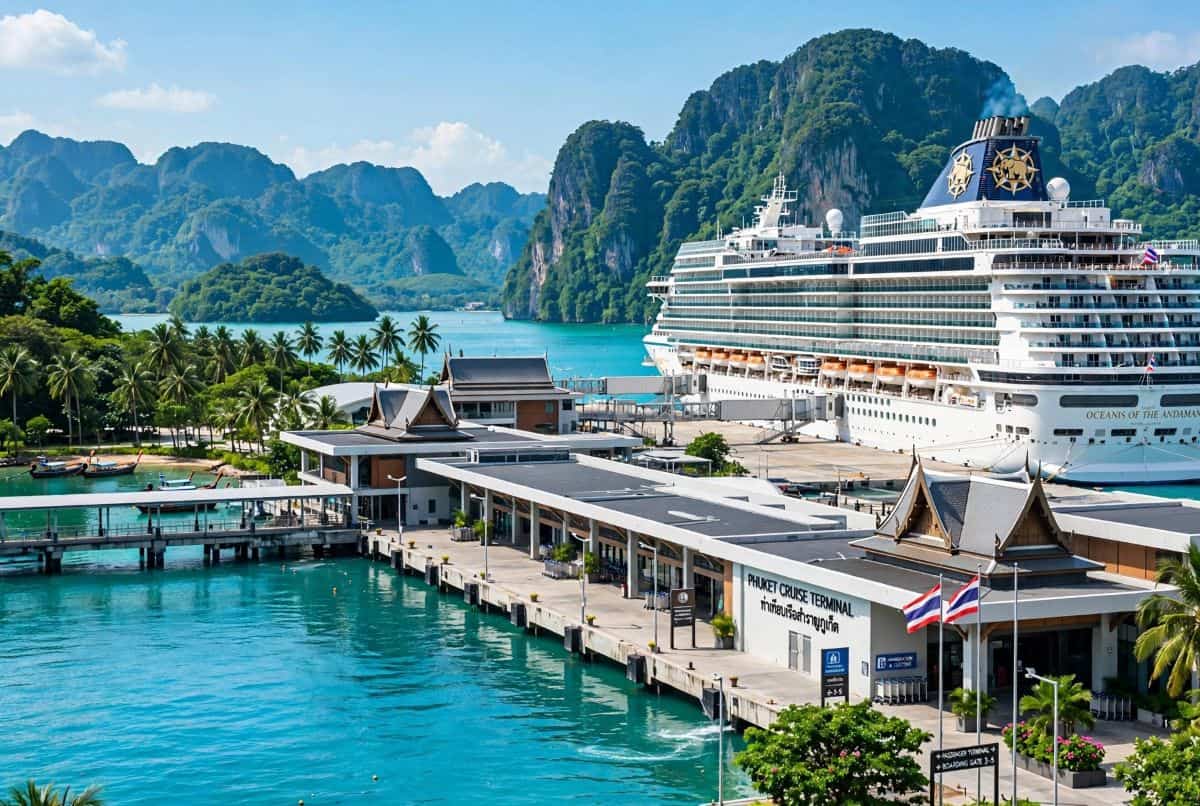
Image generated with Ai
Holidaymakers can return and get the communities operational again. All the statistics about tourism for the month of July 2026 show a drastic improvement, with a 38.2% increase over the previous month, and reaching the level of 2,545,620 international arrivals. The Thai Ministry of Tourism and Sports along with the Bank of Thailand, planned for the number of international arrivals reach 20,316,055 by the 22nd of August, which would exceed their target of 20 million international arrivals. While boats stayed away because of the monsoons, the rest of the country was on a different kind of boat. The economic resurrection and restoring human contact began in the country.
What Sparked the Dramatic Rebound in Foreign Arrivals Across Bangkok, Phuket, and Chiang Mai During July 2026?
Advertisement
Advertisement
The mid-year holiday period sparked a major operational recovery window for Thailand’s travel trade as international arrivals jumped from June’s low of 1,841,550 up to 2,545,620 in July. The remarkable month-on-month increase was largely propelled by school summer holiday departures out of mainland China and Taiwan, coupled with extended flight links into Don Mueang Airport in Bangkok and Phuket International Airport.
Hotels across the country recorded an impressive average occupancy rate of 70.05%, demonstrating sustained demand across both urban centers and tropical islands. Central Thailand led the national sector at 72.40% occupancy anchored by steady hotel bookings in Bangkok, whilst popular southern holiday paradises like Phuket and Koh Samui recorded 71.65% occupancy levels with major airlines such as Thai Airways introducing new direct long-haul flights from Amsterdam.
Advertisement
Advertisement
Which Key International Source Markets Are Leading the Charge into Bangkok, Phuket, and Beyond in 2026?
Advertisement
Advertisement
Thailand officially surpassed the 20 million international visitor landmark on 22 August 2026, accumulating a total of 20,316,055 year-to-date arrivals. Although this figure reflects a slight 2.96% decline compared to the exact same tracking period in 2025, overall international passenger volumes continue to show formidable resilience across key feeder markets in Asia and Eastern Europe.
Mainland China easily retained its position as Thailand’s primary source market, generating 3,440,752 visitors through late August. Malaysia secured second place with 2,559,676 travellers entering through southern land borders and airports, while India ranked third with 1,494,003 arrivals, followed closely by Russia at 1,158,680 and South Korea with 749,202 visitors enjoying holidays in destinations like Chiang Mai and Pattaya.
Why Did Ocean Cruise Vessel Activity Slow Down at Major Ports in Chonburi and Phuket During July and August?
Advertisement
Advertisement
Large ocean-going cruise liners routinely shift their regional operational strategies away from Southeast Asia during the middle of the calendar year. The Port Authority of Thailand (PAT) along with regional maritime partners intentionally adjust cruise ship schedules to avoid the Southwest Monsoon season, which brings heavier rainfall to the Gulf of Thailand and rougher maritime swells to the Andaman Sea.
Because of these annual seasonal weather patterns, popular global cruise ships like the Royal Princess, Celebrity Millennium, and Westerdam concentrate their main Asian sailing schedules between October and April. Major maritime facilities such as Laem Chabang Terminal A1 in Chonburi and Phuket Deep Sea Port recorded almost no large ocean liner visits in July and August, leaving only small expedition vessels operating along regional sea routes.
Advertisement
Advertisement
How Are New Border Processing Cards and Port Upgrades Transformationally Reshaping Thai Travel Infrastructure?
The nationwide rollout of the digital Thailand Digital Arrival Card (TDAC) processing system has streamlined entry procedures for foreign travelers entering through air, sea, and land borders. Transport providers, regional airlines, and international maritime operators now require all non-Thai visitors to complete this mandatory digital card before undergoing border clearance at immigration checkpoints.
To prepare for future long-term growth, the Marine Department and PAT are executing major marine infrastructure enhancements across several maritime entry points. Critical upgrades at Laem Chabang Port Terminal A1 in Chonburi will allow high-capacity cruise vessel turnarounds, whilst extensive expansions at Phuket Deep Sea Port and the construction of dedicated cruise infrastructure at Koh Samui will safely support direct vessel dockings year-round.
What Lasting Economic Impact Does This Mass Foreign Visitor Rebound Have on Local Communities in Bangkok and Beyond?
The return of more than 20 million international visitors offers vital economic backing to service providers, local shops, and hospitality workers across the kingdom. Communities in major travel hubs such as Bangkok, Chiang Mai, and Phuket continue to directly benefit from retail spending, food purchases, and transport hires by international holidaymakers.
Advertisement
Advertisement
However, rapid arrival growth also creates notable municipal challenges regarding local resource consumption and environmental preservation. High visitor volumes place increased demands on local transportation systems, urban waste management, and fresh water supplies, prompting the Tourism Authority of Thailand (TAT) to emphasize high-value sustainable tourism over sheer headcount numbers to safeguard fragile coastal marine ecosystems in Phuket and Koh Samui.
Evaluating the Macroeconomic Engine Driving Tourism Growth in Thailand
The economic trajectory of Thailand relies heavily on the performance of its travel trade, with national frameworks shifting focus toward total financial yields rather than raw visitor numbers. For 2026, the Tourism Authority of Thailand set an ambitious national revenue target of 2.78 trillion Baht, representing an approximate 7% year-on-year increase. In major urban centers such as Bangkok, daily expenditure metrics reveal that international visitors spend between 4,800 and 5,200 Baht per day. When evaluating gross domestic product contribution, travel and hospitality directly and indirectly generate roughly 18% to 20% of national output, serving as a vital driver for foreign currency reserves and broader service sector employment.
Analyzing Aviation Hub Connectivity and Regional Flight Capacity in Bangkok and Phuket
A robust international aviation network forms the operational backbone that made the 38.2% month-on-month arrival surge in July 2026 possible. Suvarnabhumi Airport and Don Mueang Airport in Bangkok saw their combined daily international seat capacity cross 120,000 passenger seats during peak mid-summer travel windows. In Southern Thailand, Phuket International Airport benefited from expanded long-haul connections, including direct services from Western Europe like Thai Airways connecting Amsterdam, alongside strategic charter routes originating from the Middle East. These expanded flight routes enabled southern island hotel occupancies to remain above 71.65%, while short-haul routes across the Asia-Pacific region provided over 70% of total international entries.
Advertisement
Advertisement
Exploring Medical, Wellness, and Longevity Tourism Hotspots in Bangkok and Koh Samui
Beyond traditional leisure vacations, specialized healthcare travel delivers extended stays and high premium yields across major hospital networks in Thailand. The national medical and wellness tourism sector reached a valuation of 9.46 billion USD in 2026, maintaining a steady projected compound annual growth rate above 7%. While typical holidaymakers remain in the country for seven to nine days, health and wellness visitors record average stays of 14 to 21 days while spending up to three times more per trip. World-class accredited medical complexes across Bangkok alongside specialized wellness sanctuaries in Phuket and Koh Samui ensure stable international visitor demand even during off-peak monsoon months.
Assessing the Impact of the Destination Thailand Visa on Remote Workers in Chiang Mai
Modern travel demographics reflect a growing preference for extended stays, prompting policy updates designed to convert temporary vacationers into long-term resident consumers. The 5-year Destination Thailand Visa framework allows eligible remote workers, digital freelancers, Muay Thai participants, and culinary students to remain in the country for up to 180 days per entry with multiple entry privileges over five years. Applicants must verify a liquid bank balance of at least 500,000 Baht to qualify for entry clearance under this pathway. Northern cultural centers such as Chiang Mai, which recorded hotel occupancy levels around 60.58%, join Bangkok and Koh Phangan as premier remote work hubs.
Managing Marine Ecosystem Capacity and Carrying Limits Across Maya Bay and the Similans
Advertisement
Advertisement
Rapid visitor arrivals present ecological challenges that require active environmental management across vulnerable island marine national parks. Environmental authorities enforce daily entry limits at high-density destinations, restricting visitors at popular sites like Maya Bay in the Phi Phi Islands and the Similan Islands to around 4,000 people per day to prevent coral degradation. Furthermore, mandatory annual closure cycles across Andaman Sea marine parks run from mid-May through mid-October to facilitate ecosystem restoration during the Southwest Monsoon. Meanwhile, island hubs like Koh Samui and Phuket expand desalination and waste infrastructure to handle freshwater consumption pressures during high-occupancy months.
Understanding Hotel Financial Performance, Room Rates, and Regional Occupancy Trends
The commercial health of Thailand’s accommodation sector highlights solid performance across luxury resort tiers and city center commercial properties. Across all national hotel categories, average room occupancy reached 70.05% during July 2026, led by Central Thailand at 72.40% due to strong business travel and convention demand in Bangkok. In premium island destinations like Phuket and Koh Samui, Revenue Per Available Room experienced a 12.4% year-on-year lift in luxury tiers. This financial growth was sustained by steady visitor inflows from high-spending foreign source markets, including Russia, South Korea, and India, supporting solid yields for hospitality operators.
Leveraging Soft Power Initiatives, Cultural Campaigns, and Global Media Influence
Strategic marketing efforts by the Tourism Authority of Thailand continue to convert global online interest into physical travel arrivals across key international markets. Promotional campaigns center around national cultural elements, while high-profile media appearances and international film productions hosted in Koh Samui and Phuket generated a surge of over 40% in online accommodation queries. To support these interest surges, targeted visa-free access and roadshows in major Asian business hubs aim to attract at least 6.7 million Chinese visitors in 2026, keeping Thailand top-of-mind for global travellers.
Advertisement
Advertisement
The Final Verdict
Connection links stats, bookings, and landings. Thailand has served the last of its 20 million tourists. Chill, Bangkok street vendor, your clients will come back for more. They bring hope to the Phuket families. July’s spike in tourism brought a spike in all other things money-related to the economy, including the departure of most travelers with a smile on their face and a happy heart. Thailand’s beaches and temples are bare and empty, however, the monsoon winds brought the satisfaction of the warm and hospitable service of Phuket. Thailand will always be much more than the tourist destinations that give travelers an exotic vacation, as the smiles leave a part of it in your soul. The world has started a new era of trade that will be much more innovative, flexible, and digital. This country has a new chance to pen the world’s next chapter and show the world a much more enjoyable opportunity to experience this new trade.
Frequently Asked Questions
How many international tourists visited Thailand in July 2026? Thailand recorded 2,545,620 international tourist arrivals in July 2026, representing a massive 38.2% month-on-month surge compared to June.
Which country sent the most tourists to Thailand by August 2026? China ranked as the largest international source market, contributing 3,440,752 visitors between 1 January and 22 August 2026.
Why are there fewer cruise ships visiting Thailand during July and August? July and August coincide with the Southwest Monsoon season, prompting major cruise lines to schedule their primary Thailand itineraries during the drier season between October and April.
Advertisement
